
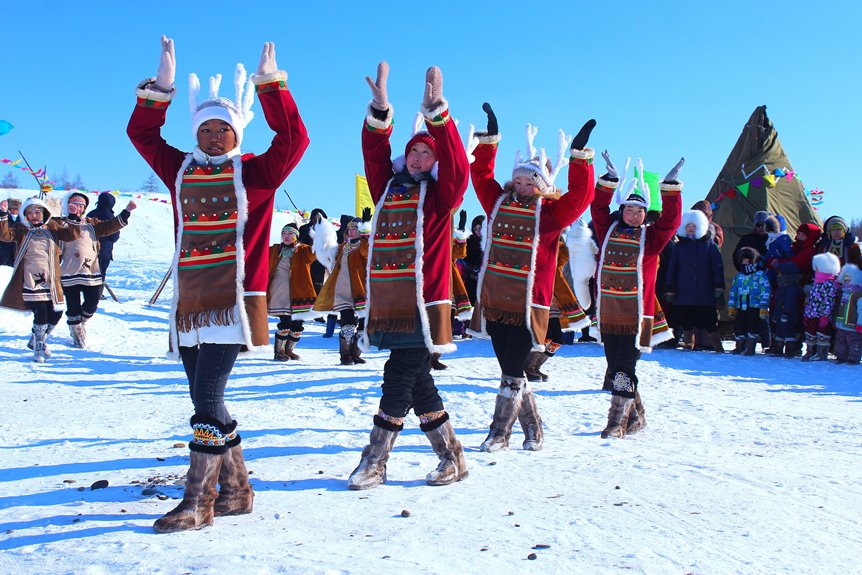
I’ve packed for Thailand’s brutal heat and humidity, and here’s what works: breathable linen and quick-dry fabrics are non-negotiable. Layer lightweight pieces to handle air-conditioned malls versus outdoor heat. Cover shoulders and knees at temples; it’s respectful and required. Bring a packable rain jacket for sudden downpours. Skip heavy shoes; lightweight sandals and breathable sneakers dry fast. One quality pair handles multiple scenarios. Modest, deliberate choices keep you comfortable and culturally aware. The specifics for each region, season, and activity get more detailed ahead.
Thailand’s Climate: Hot, Humid, and What That Means for Your Wardrobe
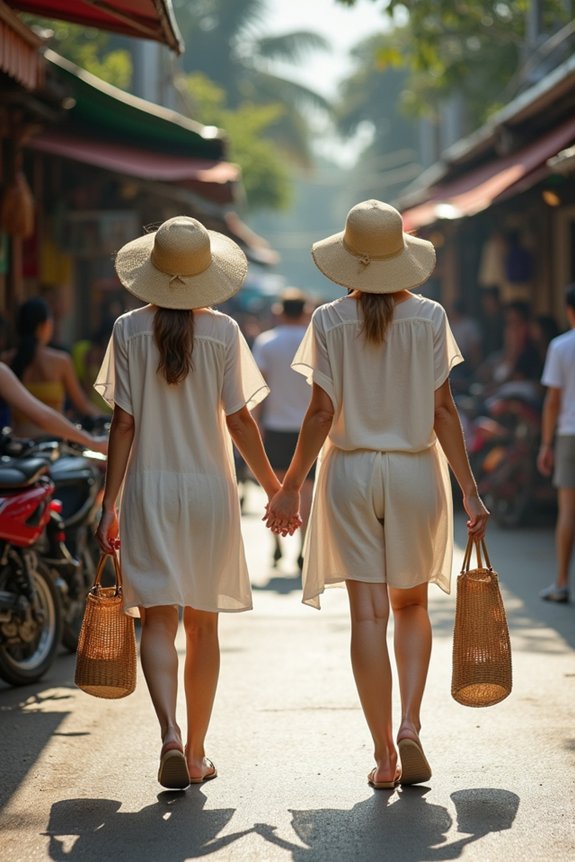
Why do so many travelers arrive in Thailand unprepared, only to shed half their luggage by day two? Thailand’s climate demands smart fabric choices. You’re facing extreme temperature swings: outdoor heat hitting 38°C during hot season, then stepping into 20°C air conditioning indoors. That’s a significant shift for your body.
Here’s what works: linen and cotton dominate for good reason. These breathable fabrics let moisture escape, keeping you comfortable during heavy humidity. During hot season, you’ll want quick-dry materials that handle sudden downpours without clinging to your skin.
I’ve learned this firsthand. Pack lightweight layers, not heavy clothes. Your future self (the one not drenched in sweat by 10 AM) will thank you for choosing breathable fabrics over cotton blends that trap heat.
Linen, Merino, and Quick-Dry Fabrics: Why They Matter in Thailand’s Climate
Once you understand how Thailand’s heat and humidity affect traditional fabrics, you’ll see why linen matters as a practical choice. Selecting the right material significantly affects your experience traveling through Thailand.
What makes these fabrics work for you:
- Linen and linen-blends breathe naturally, keeping you cool when temperatures rise
- Merino wool offers lightweight versatility, even during cooler indoor moments
- Quick-dry fabrics prevent sweat patches and maintain comfort during sudden downpours
- UPF-rated materials protect your skin whether you’re wet or dry
- Moisture-wicking technology keeps you feeling fresh, not clingy
Skip heavy denim and polyester; they trap heat and create discomfort. Instead, choose breathable fabrics that work with Thailand’s climate. You’ll move easier, stay drier, and actually enjoy exploring this country without constantly fighting against your wardrobe.
Daily Dress Code: Balancing Modesty and Comfort
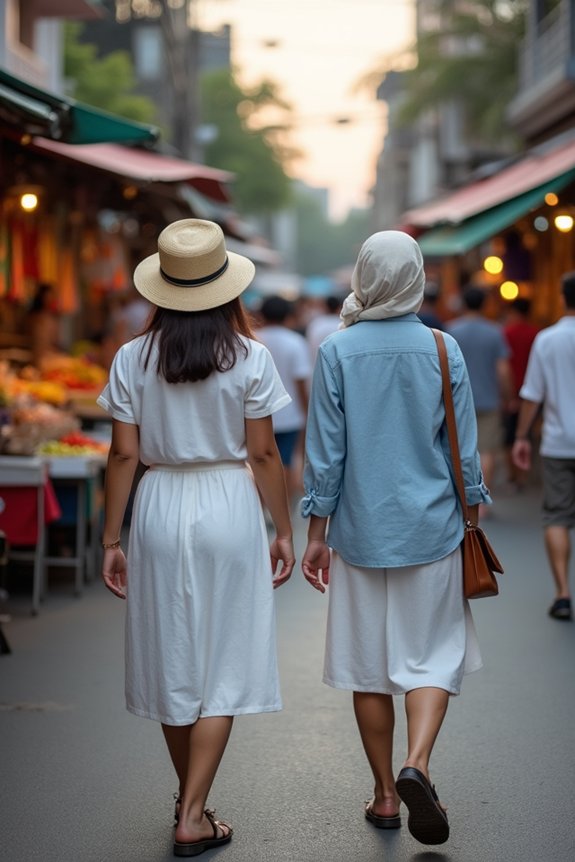
Now that you’ve got the right fabrics in your suitcase, it’s time to think about what you’ll actually wear each day. Balancing modest dress with Thailand’s heat is straightforward and allows you freedom in how you dress.
Your daily uniform should include breathable fabrics like cotton and linen. Pair lightweight layers with airy skirts or loose pants that cover your shoulders and knees. This approach respects Thai culture while keeping you cool.
| Occasion | What to Wear | Why It Works |
|---|---|---|
| Temples | Long skirt, sarong, covered shoulders | Essential for sacred spaces |
| Daily exploring | Flowy pants, lightweight shirt | Comfortable, respectful coverage |
| Casual evenings | Loose dress, linen blend | Breathable and culturally appropriate |
You’ll notice locals dress modestly year-round. Following their lead helps you blend in, feel more connected, and navigate both bustling Bangkok streets and serene temple grounds with confidence and respect.
Layering for Air-Conditioned Spaces and Mountain Areas
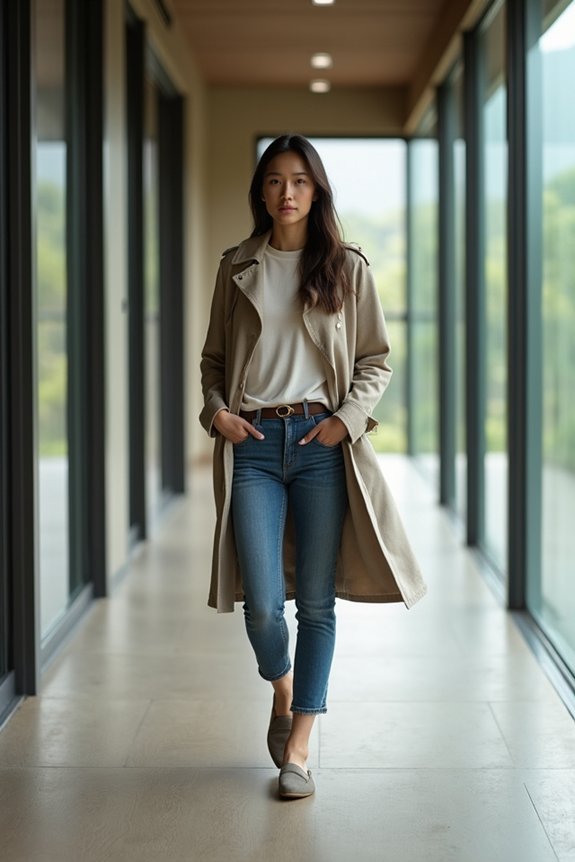
How do you stay comfortable when you’re shivering in a shopping mall one moment and sweating through your shirt the next? Welcome to Thailand’s temperature rollercoaster. Layering is your best strategy for navigating this climate.
What to pack:
- Lightweight linen shirt (easy to tie around waist)
- Cotton cardigan for quick transitions
- Thin denim jacket for mountain cool evenings
- Quick-dry chambray piece for humidity and rain
- Open-fabric layer that breathes without clinging
The approach: Choose fabrics that don’t trap heat in air-conditioned spaces. You’ll move between Thailand’s 20°C malls and scorching outdoor streets constantly. Quick-dry materials prevent dampness from sweat or sudden downpours. In Chiang Mai’s cool evenings, that thin jacket becomes necessary when temperatures drop to 15°C. You’ll develop this rhythm quickly.
Thai Temples: Dress Code Essentials?
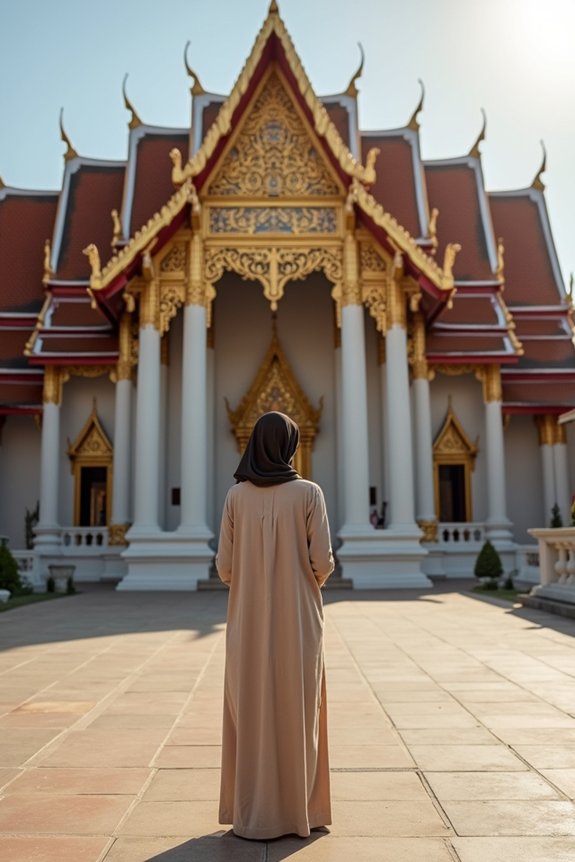
While you’re managing Thailand’s temperature changes with layering, you’ll encounter spaces where standard travel clothes are inappropriate. Temples have dress codes that matter significantly. A proper temple dress code isn’t optional; it represents respect for sacred spaces.
Cover your shoulders and knees without exception. Bring a sarong cover or lightweight maxi skirt for quick adjustments when needed. Choose footwear that slips off easily; closed-toe shoes work best since you’ll remove them frequently. Avoid tank tops and short shorts entirely. Socks can protect your feet on hot tiles. Keep a simple scarf handy, as modest attire opens doors that casual wear does not.
Your clothing choices at temples serve a purpose beyond practicality. Dressing appropriately shows consideration for the significance of these locations and demonstrates respect to the local community. Visitors who observe the dress code receive a warmer welcome from temple staff and other visitors. These modest choices allow you to move through sacred spaces with dignity and honor the cultural values that matter to the people living in Thailand.
Beach and Island Attire: Coverage and Sun Safety
When you’re heading to Thailand’s beaches, you’ll want to balance looking good with respecting local customs and protecting your skin. Pairing your bikini or swimsuit with a lightweight linen cover-up serves multiple purposes: it demonstrates cultural awareness and allows you to move comfortably from shore to town without attracting unnecessary attention. The practical approach involves investing in reef-safe mineral sunscreen and UPF-rated shirts. The tropical sun requires serious protection, and choosing products that safeguard both your skin and marine ecosystems makes every beach day more responsible.
Modest Swimwear and Cover-Ups
Why do so many travelers get caught between beach comfort and cultural respect in Thailand?
Modest swimwear and thoughtful cover-ups solve this perfectly. You’ll feel confident wearing one-piece suits or board shorts with rashguards, pairing them with linen fabrics that dry quickly and look intentional. Temple dress codes demand covered shoulders and knees, so keep a lightweight sarong handy for transitions between beach and town.
What to pack:
- UPF-rated swimwear protects skin while respecting local norms
- 100% linen shirts double as cover-ups and style statements
- Block-print kimonos add cultural appreciation to your beach look
- Lightweight scarves work for spontaneous temple visits
- Mineral sunscreen safeguards both your skin and coral reefs
This approach means you’re not constantly changing clothes. You’re prepared, respectful, and genuinely belonging to Thailand’s beach culture while honoring its sacred spaces.
Sun Protection and Reef Safety
How do you protect yourself from Thailand’s intense sun without harming the very reefs you’ve traveled to see? Reef-safe sunscreen with mineral formulas, zinc oxide or titanium dioxide, keeps both your skin and coral ecosystems healthy. Chemical sunscreens damage reefs, so choose reef-friendly options instead.
Apply sunscreen first, then wait 10 to 20 minutes before reapplying after sweating or swimming. Layer coverage wear like swim shirts and rash guards over your mineral sunscreen for maximum protection. A wide-brimmed hat, UV sunglasses, and a light sarong complete your sun defense strategy.
For your face, lightweight options like Supergoop! Unseen Sunscreen work well. Body sunscreens such as Sun Bum Original SPF 50 provide full coverage. This approach protects your skin while preserving Thailand’s underwater ecosystems.
Shoes for Every Thai Setting
The right footwear can make or break your Thailand experience, and I’ve learned this the hard way after too many blistered days in inappropriate shoes. You’ll encounter vastly different settings, each demanding thoughtful footwear choices. Here’s what I’ve discovered works:
- Temple footwear: Slip-on closed-toe shoes for easy removal and modest dress code compliance
- Breathable shoes: Lightweight sneakers or loafers for everyday travel in hot, humid conditions
- Lightweight sandals: Havaianas or waterproof options for beach and water activities
- Versatile leather-style sandals or Tevas: Cover both light adventures and city sightseeing efficiently
- Avoid high heels or strappy sandals: Uncomfortable for long walking days and temple etiquette
One quality pair of travel footwear handles multiple scenarios. I’ve ditched the heavy shoes entirely, embracing lightweight options that breathe and dry quickly. Your feet, and your entire trip, will benefit from this approach.
Evening Wear for Bangkok Rooftop Bars and Nice Restaurants
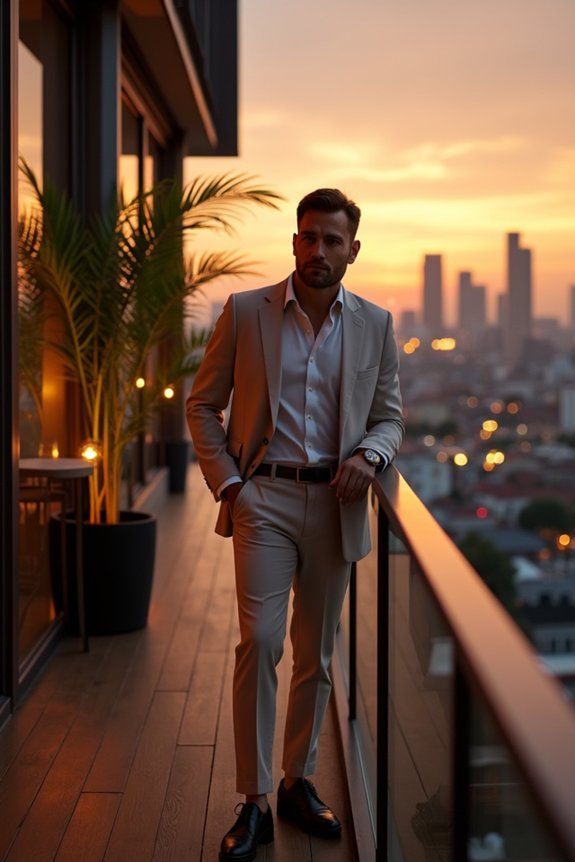
When heading to Bangkok’s rooftop bars and upscale restaurants, balancing polish with tropical heat is essential. You’ll want dressy essentials like a midi dress, jumpsuit, or tailored separates paired with a lightweight jacket for the aggressive air-conditioning indoors, avoiding anything too casual such as t-shirts or shorts. The key is selecting pieces that appear intentional and put-together; think structured fabrics, subtle accessories, and neutral or jewel tones so you can transition between venues without feeling overdressed or out of place.
Dressy Outfit Essentials
Want to feel confident stepping into Bangkok’s upscale venues without sweating through your outfit? Dressy evening wear here requires breathable fabrics paired with polished presentation. You’re not overdressing; you’re respecting the space and yourself.
What to pack for nights out:
- Collared linen shirts for men paired with light dress pants
- Flowy midi dresses or rompers offering modest coverage for women
- Lightweight jumpsuits or co-ord sets that transition from day to night
- Slip-on closed-toe shoes or polished loafers for easy temple visits
- Packable accessories like small clutches and sun hats
Cotton-linen blends deliver comfort while maintaining a purposeful appearance. Skip athletic wear and Crocs entirely. You’ll fit right in at rooftop bars when you dress with purpose and practicality combined.
Stylish Yet Modest Options
How do you dress sharp without melting under Bangkok’s relentless air conditioning?
I’ve found that linen is your best friend for rooftop bars and nice restaurants. Men should pair collared linen shirts with light dress pants; you’ll look polished while staying comfortable. Women can consider flowy midi dresses or rompers in breathable fabrics like rayon that respect modesty codes.
The key is balancing style with practicality. I always choose tailored pieces from Sukhumvit shops that fit properly and move with you. Skip heavy beachwear entirely. Bangkok venues expect sophistication, not casual resort wear.
Your outfits should transition seamlessly from day to evening. Swap sandals for slip-on loafers or neat dress shoes. Layer lightweight fabrics for temperature control indoors.
When you dress this way, you’re not just comfortable. You’re signaling respect for Bangkok’s culture while fitting in confidently with upscale crowds.
Sun Protection: Sunscreen, UPF Fabrics, and Reef Safety
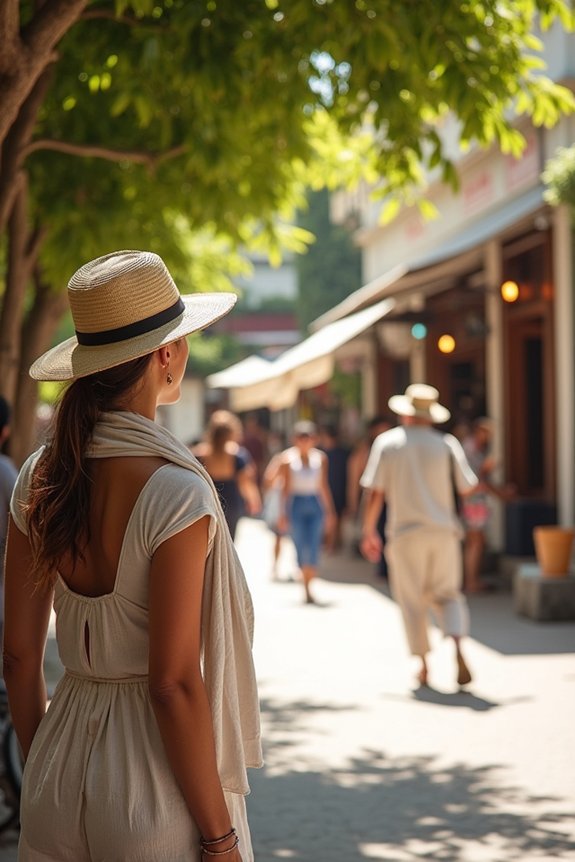
Why does Thailand’s sun feel so much more intense than what you’re used to at home? The equatorial rays hit differently, and I learned this the hard way during my first week.
What actually protects you:
- Choose mineral-based reef-safe sunscreen with zinc oxide or titanium dioxide
- Apply SPF 50 or 70 and reapply every two hours or after swimming
- Wear UPF fabrics that retain protection even when wet
- Apply sunscreen first, wait 10 to 20 minutes, then add mosquito repellent
- Combine sunscreen with hats, bandanas, and cover-ups at beaches and temples
This combination works. Your skin stays protected, coral stays healthy, and you don’t look like a lobster by dinner. You’ll benefit from taking these steps seriously.
Mosquito Protection: Clothing, Timing, and Repellent Strategies
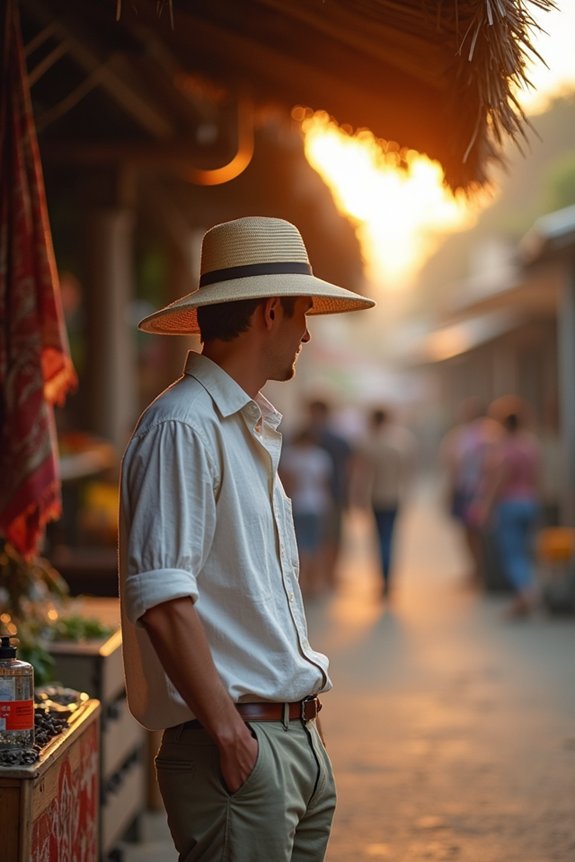
When dressing for Thailand’s mosquito season, lightweight, breathable fabrics with strategic coverage work best. Loose linen pants and long sleeves in cotton blends keep you cooler while protecting exposed skin during peak hours at dusk and dawn. Timing matters just as much as fabric choice. Apply sunscreen first, wait 15 minutes, then layer on repellent in an air-conditioned space before heading out. This prevents the sweat-off problem that ruins effectiveness. Beyond clothing and timing, combine these strategies with practical accessories like mosquito-repellent wristbands and reef-safe mineral-based repellents to create multiple layers of defense without feeling weighed down in the heat.
Lightweight Fabrics And Coverage
Thailand’s heat and humidity can turn heavy fabrics into a second skin within minutes, so you’ll want to prioritize lightweight materials that work with your body instead of against it. Linen and cotton blends keep you comfortable during long days exploring temples or markets. Moisture-wicking activewear pulls sweat away from your skin, letting you stay dry even during afternoon downpours. Pair these with UPF-protective clothing like sun shirts that shield you from intense rays while remaining breathable. Coverage matters too; it’s not just about comfort, but about protection.
Consider these essentials:
- Linen pants that dry within minutes
- Moisture-wicking tank tops for layering
- Long-sleeve UPF shirts for beach days
- Lightweight scarves for temple visits
- Wide-brimmed hats that don’t trap heat
This combination keeps your skin protected with sunscreen while you stay confident and comfortable.
Timing Your Repellent Application
You’ve got your lightweight layers and sun protection sorted, but here’s what I’ve learned the hard way: slathering sunscreen and insect repellent at the same time actually works against you. I now apply sunscreen first, then wait 10–20 minutes before adding mosquito repellent. This timing allows both products to work effectively without competing for your skin.
Here’s my strategy: I reapply repellent more frequently during outdoor activity, especially after swimming or sweating through Thailand’s humidity. I always check product label guidance for specific timing recommendations. When possible, I use cool, air-conditioned spaces between applications to minimize sweating that washes everything away.
I’ve also discovered combining spray repellent with accessory bracelets boosts coverage significantly. This layered approach keeps me protected all day.
Accessory-Based Protection Options
Mosquito-repellent bracelets and wristbands have shifted how I navigate Thailand’s markets and temples without constantly reapplying sprays. Layering accessories with solid sunscreen application creates a protective barrier that lasts through the heat.
What I carry:
- Waterproof wristbands infused with natural repellent oils
- Mineral-based repellent sprays for exposed skin areas
- Mosquito-repellent bracelets in rotating styles
- Waterproof pouches for quick reapplication during activities
- Lightweight long sleeves for evening temple visits
The practical approach involves combining these tools. I apply sunscreen first, wait fifteen minutes, then slip on my wristband. The waterproof design withstands sweat and water activities. You avoid being tied to constant respraying. This hands-free protection lets you focus on experiencing Thailand rather than managing mosquitoes.
Tourist Clothing Mistakes to Avoid
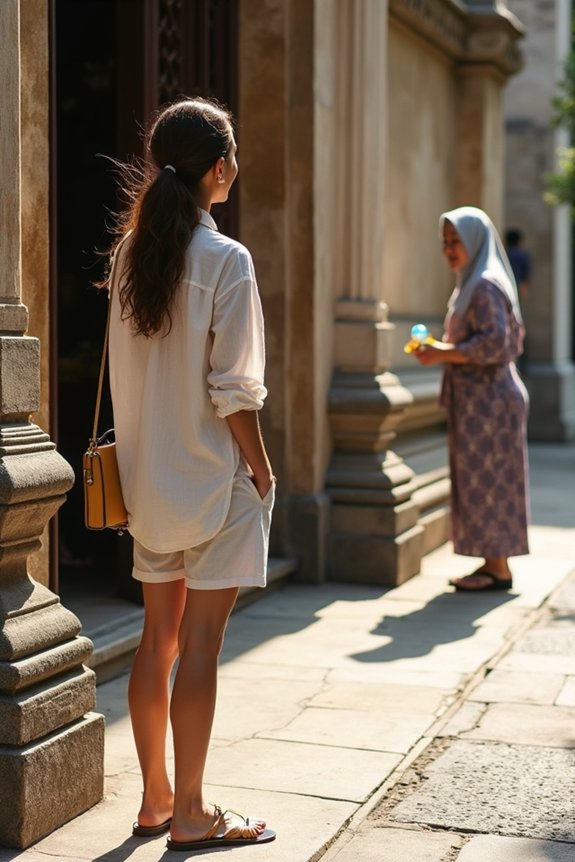
What’s the difference between dressing casually and dressing disrespectfully in Thailand? It comes down to intention and awareness.
First, skip polyester cover-ups entirely. They trap heat in Thailand’s humidity and look like you’re avoiding the culture rather than respecting it. Instead, choose linen or breathable fabrics that keep you cool while looking intentional.
Second, remember temples demand shoulders and knees covered; no exceptions. Bring a lightweight scarf or sarong you’ll actually wear, not just carry.
Third, don’t wear Buddha imagery on clothing. I’ve seen tourists unknowingly disrespect sacred traditions this way.
Finally, keep beachwear at the beach. A simple cotton cover-up shifts your look from tourist mistake to culturally aware traveler. These choices show you’re visiting thoughtfully, not just passing through.
Dressing for Bangkok, Chiang Mai, and Southern Thailand
Each region of Thailand demands its own packing strategy. Treating them differently makes your trip far more comfortable. Bangkok’s relentless heat requires lightweight layers of linen and cotton you’ll swap constantly between scorching streets and frigid air conditioning. Chiang Mai cools down in the evenings, so add a light jacket for nights while keeping breathable fabrics for days. Southern Thailand throws rain and heat at you simultaneously, demanding quick-dry materials and a packable rain jacket.
What to pack:
- Linen shirts that breathe and wrinkle naturally
- Lightweight layers for temperature shifts
- Quick-dry pants for unpredictable downpours
- Sarongs covering shoulders and knees at temples
- Packable rain gear for sudden storms
You’re protecting yourself and respecting local culture at the same time.
Thailand Packing Checklist: Essentials by Season and Activity
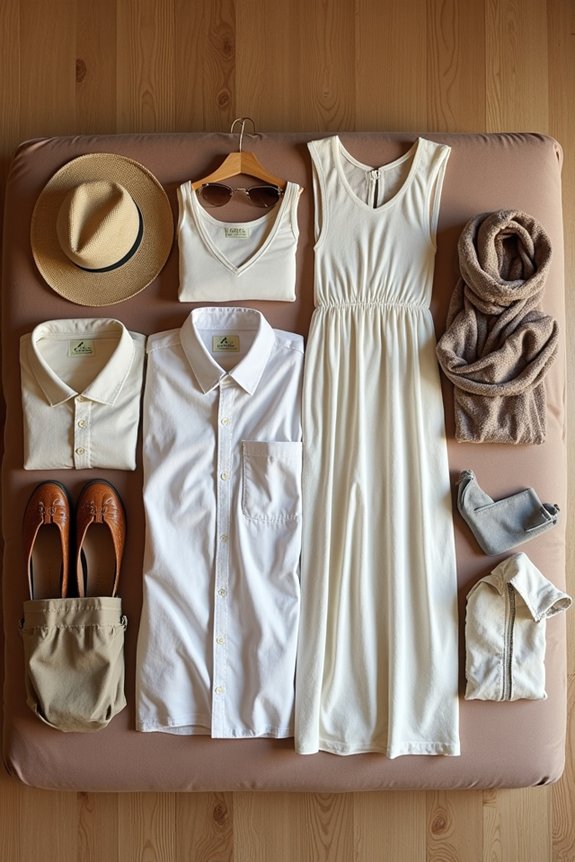
When you’re packing for Thailand, one question matters most: what season are you hitting? Your packing list shifts significantly depending on when you visit.
During cool-dry months, pack linen trousers and a lightweight jacket for evenings. Hot season requires loose-fitting, breathable fabrics like rayon and chambray, plus a compact layer for aggressive air conditioning. The rainy season calls for fast-drying outfits and a packable poncho.
Across all seasons, prioritize breathable fabrics such as cotton and linen. These materials are essential for the climate. Also pack sarongs for modest coverage at temples and islands; shoulders and knees need to be covered for cultural and respectful reasons.
Matching your wardrobe to the season and your activities will directly improve your travel experience.