
I’ve watched countless visitors get turned away for one wardrobe mistake: wrinkled shirts, athletic sneakers, or the wrong hat. Vegas doormen enforce dress codes like gatekeepers, and they’re strict about it. Men need collared shirts, dark jeans, and leather dress shoes. Women have more flexibility but should aim for polished, intentional outfits. Skip athletic wear, hats, and anything casual. Day clubs are more relaxed than nightclubs. During holiday weekends, standards tighten even more. Get these specifics right, and you’ll sail through those doors.
Nightclub Deal-Breakers: What You Can’t Wear

Why do some people breeze past the velvet rope while others get turned away? The answer often lies in understanding nightclub dress code fundamentals. Here’s what’ll stop you at the door: athletic wear, gym clothes, and sneakers scream casual, not club-ready. Tank tops, shorts, and baseball hats result in automatic rejections at most venues. Avoid crossbody bags if you’re male; bouncers see them as deal-breakers for nightclub attire.
Your entry requirements hinge on these basics: wear collared shirts, clean jeans or slacks, and proper footwear. Leather dress shoes work perfectly; bulky athletic sneakers do not. Skip the T-shirts unless you layer them with a jacket.
I’ve watched countless people denied entry simply because they ignored these guidelines. Don’t be that person. Dress with purpose, and you’ll gain access to Vegas’s best experiences.
What Men Should Wear to Get Past the Door
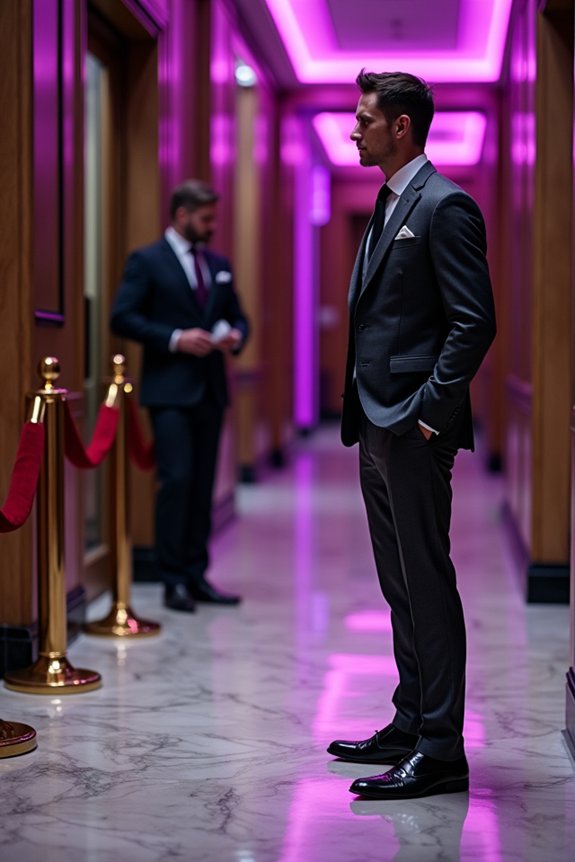
The formula’s simple: dark fitted jeans or slacks paired with a crisp button-down or polished short-sleeve collared shirt, finished with clean dress shoes. That’s your foundation for getting through any Vegas nightclub door.
Dark fitted jeans or slacks with a crisp button-down and clean dress shoes—that’s your nightclub foundation.
Doormen are strict. They’ll reject you for one underdressed item, so aim one level above casual. Add a jacket or sport coat if you’re wearing sneakers, even designer ones; without that polish, they sit in a gray area.
Your dress code compliance signals you respect the venue. Skip the athletic wear, hats, and heavily distressed denim entirely. Those aren’t negotiable.
I’ve watched guys turned away for flip-flops alone. The staff cares more than official guidelines suggest. Arrive polished and nightlife-appropriate. That confidence gets you in.
What Women Should Wear to Get Past the Door

Women have more flexibility than men when entering Vegas nightclubs. Doorstaff assess your intention through your outfit; they evaluate whether you came for nightlife or casual daytime activity. They prioritize polish and effort over strict adherence to rules, looking for signs that you understand the venue’s dress code expectations.
Choose one of these options: a dress, skirt paired with a refined top, jumpsuit, or luxe two-piece set. Pair your selection with heels or dressy sandals. Fashion sneakers work in some venues, but avoid athletic shoes completely. The dress code rewards deliberate choices.
Skip the casual brunch aesthetic. Instead, aim for the polished appearance associated with bottle service clientele. When you arrive looking purposefully put-together, you’ve already cleared half the barrier at the velvet rope.
Shoes, Hats, and Accessories: Gray Areas Explained
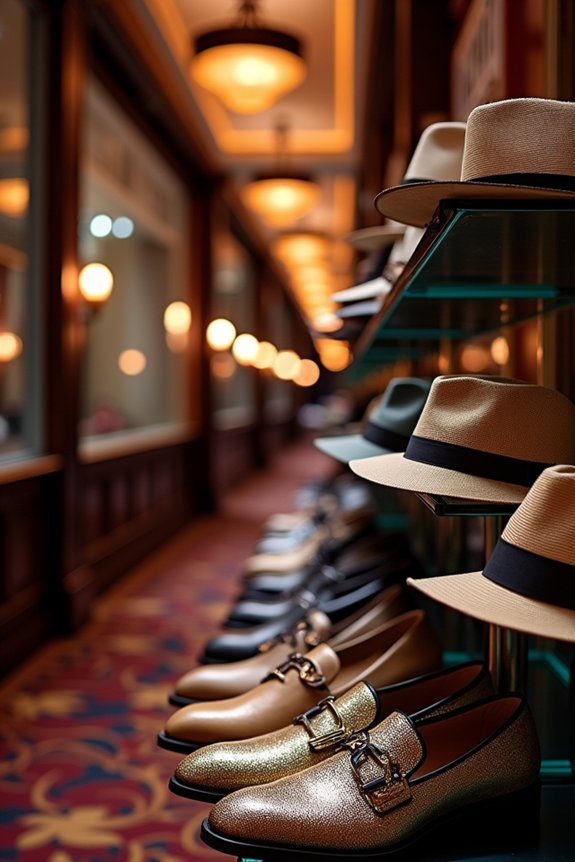
Shoes, hats, and accessories occupy a gray area where venue discretion supersedes written rules. Leather dress shoes and logo-free black sneakers typically gain approval, but trendy sports brands face regular rejection. Hat policies vary considerably; fashionable fedoras may pass while snapbacks almost never do. Door staff make the final determination, so your best approach involves dressing in upscale attire and keeping accessories minimal. This distinction between what gets approved and what gets turned away comes down to how you present yourself at entry.
Sneakers and Footwear Flexibility
Sneakers and Footwear Flexibility
Footwear is that tricky territory where Vegas club rules get fuzzy, and honestly, it’s where I’ve seen more people turned away than anywhere else at the door. You can wear sneakers if they’re solid black, logo-free, and genuinely dressy; however, door staff apply stricter standards than official guidelines suggest.
| Footwear Type | Vegas Club Status | Your Move |
|---|---|---|
| Leather/dress shoes | Always safe | Go-to choice |
| Black low-profile sneakers | Sometimes allowed | Pair with jacket, tie |
| Athletic/tennis shoes | Typically disallowed | Skip these entirely |
If you’re wearing sneakers, compensate with a stylish collared shirt, tie, and jacket. That polished overall appearance matters more than you’d think. Don’t risk it with athletic shoes; they’ll get you denied every time. Leather remains your safest bet for entry without complications.
Hat Restrictions and Exceptions
While hats might seem like a harmless accessory, they’re actually one of Vegas’s most inconsistently enforced dress code rules. I’ve seen people breeze through wearing cowboy hats while others got denied for snapbacks at the same venue on different nights. Your hat choice directly impacts your entry policy success.
What works:
- Cowboy hats get approved at most venues, especially country-themed spots
- Snapbacks and beanies typically face rejection unless you’re at casual establishments
- Fashionable fedoras or Panama hats can work if your overall look reads polished
The strategy involves pairing your hat with a collared shirt and watch. This combination signals you’re taking the dress code seriously. Door staff notice effort. They’ll grant you flexibility when you show respect for the venue’s standards. The extra thought is worth it.
Accessory Rules and Discretion
How do you navigate Vegas’s murkiest dress code territory? I’ll explain what I’ve learned about accessory rules and door discretion at major venues.
Shoes matter more than you’d think. Leather dress shoes are always safe. Logo-free black sneakers might work, but fashionable sports shoes usually won’t. I’ve seen people turned away for the wrong footwear.
Hats and bags create gray areas where door discretion really kicks in. Cowboy hats get the nod at some clubs, while snapbacks don’t. For women, purses may require security checks or locker storage. Men should skip crossbody bags entirely.
Sunglasses indoors? Skip them unless medically necessary. Beanies fall into the disallowed category consistently.
The practical approach: call ahead or arrive early. You’ll avoid disappointment and join the crowd that actually gets inside.
Vegas Nightclubs: How Dress Codes Shift From Day to Night
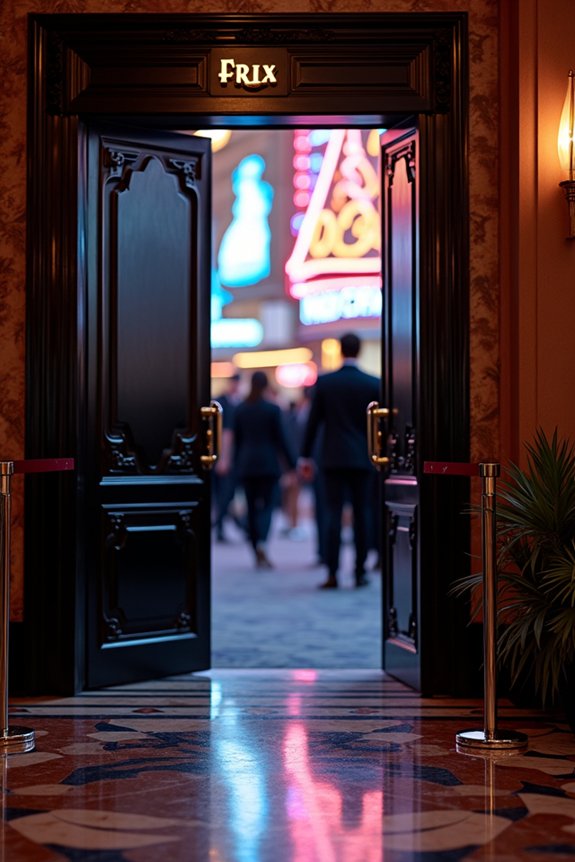
Ever notice how the same nightclub that welcomes you in shorts and a casual tee at 2 p.m. suddenly turns you away in that exact outfit at 10 p.m.? That’s Vegas nightclubs’ entry policies in action. The dress code shift is real, and understanding it keeps you inside rather than disappointed outside.
Here’s what changes between day and night:
- Daytime: Shorts, jeans, collared sport shirts, and neat t-shirts pass easily
- Evening: Jeans or slacks paired with button-downs, jackets, and clean dress shoes become mandatory
- Always banned: Athletic wear, sneakers, sandals, ripped jeans, and hats
Night versus day attire matters because door staff enforce stricter standards after sunset. Your cohesive, polished look signals you belong. That’s your advantage.
Dayclubs and Pool Parties Play by Different Rules

Dayclubs and pool parties strip away the formality you’ve just learned about. Here in Las Vegas, dress codes shift dramatically when the sun’s up. You’re trading strict nightclub rules for relaxed, swimwear-focused vibes that prioritize comfort and confidence. Venues reward intentional poolside choices over gym-inspired looks. Check this breakdown:
| Category | Women’s Wear | Men’s Wear | What to Skip |
|---|---|---|---|
| Swimwear | Bikinis, one-pieces | Tailored swim shorts | Random gym shorts |
| Cover-ups | Mesh, sarongs | Button-ups, polos | Cotton tanks |
| Footwear | Sandals, flip-flops | Clean sandals | Athletic shoes |
| Layering | Light wraps | Short sleeves | Hoodies |
The Las Vegas dayclub dress code emphasizes looking put-together without overdoing it. Light layering handles temperature transitions smoothly. Your goal involves achieving pool-appropriate sophistication that signals you belong in the space.
Holiday Weekends: When Dress Codes Get Stricter

Holiday weekends transform Vegas nightlife into a stricter fashion environment; door policies tighten, dress codes get enforced with precision, and your outfit either meets standards or doesn’t. You’ll see perfectly acceptable guests turned away for wrinkled shirts, athletic sneakers, or hats while bouncers admit others in polished alternatives. I’ll show you exactly what gets flagged and how to avoid it. The real challenge isn’t dressing well; it’s making sure your entire group aligns on standards beforehand, because one person’s sneakers or casual shorts can hold everyone back at the entrance.
Tightened Enforcement During Peak Demand
Why do bouncers suddenly turn into dress code detectives when it’s a holiday weekend? During peak demand, door policies tighten dramatically, and you’ll notice stricter dress code enforcement everywhere. I’ve watched entire groups get denied entry because one person missed the mark.
Here’s what gets scrutinized most:
- Footwear: dirty shoes, worn sneakers, and athletic trainers get immediate rejection
- Tops: wrinkled shirts and jerseys fail faster than you’d expect
- Bottoms: overly casual shorts and athletic wear don’t make the cut
Even venues’ official guidelines become suggestions during busy periods. Door staff enforce standards significantly stricter than published rules. Your group’s entry depends on everyone meeting expectations. Dress for the toughest standard in advance. You’ll speed through entry and avoid the frustration of standing outside while your crew waits.
Common Denial Reasons On Holidays
When you’re standing in line on a holiday weekend, you’ll quickly understand why bouncers become hyperselective. I’ve watched sharp groups get turned away for minor infractions that’d normally slide. Here’s what gets you denied on holidays:
| Denial Reason | Why It Matters | Holiday Impact |
|---|---|---|
| Dirty or scuffed shoes | Shows lack of effort | Stricter scrutiny |
| Wrinkled or stained shirts | Suggests carelessness | Automatic rejection |
| Athletic sneakers or jerseys | Too casual for crowds | Nearly always refused |
Even one group member’s off-code outfit tanks everyone’s entry. I’ve seen perfectly dressed friends denied because their buddy wore gym shoes. Your dress code strategy needs precision during holidays. Skip the casual sportswear entirely. Coordinate outfits beforehand with your crew. Sharp, intentional looks aligned with venue standards will get you past those bouncers and into the action where you belong.
Group Alignment Before Entry
Since bouncers scrutinize every crew member on packed holiday nights, you need to align your group’s look before you leave home. One weak link in your outfit choices ruins entry for everyone, and that’s not the vibe you want.
What to do for solid group alignment:
- Establish a dress code standard together. Aim for the toughest likely scenario.
- Share outfit photos in your group chat beforehand for honest feedback.
- Agree on shoe quality, shirt condition, and overall polish level.
When your crew shows up cohesive and intentional, bouncers see organization and respect. You’re signaling that you understand the entry policy and take it seriously. This unified approach speeds up the entire process, keeping everyone moving through doors faster while strengthening your group’s collective presence at the club.