

At 60 degrees, I treat temperature like a moving target. Mornings hit 50°F while afternoons climb to 65°F, so I build flexible layers instead of relying on one heavy coat.
Start with a breathable base layer like merino wool. Add a mid-layer cardigan you can tie around your waist. Top it with a lightweight jacket for your commute. Shed pieces as you warm up throughout the day.
This system lets you adapt smoothly without bulk. The key is coordinating these three layers strategically. When you choose pieces that work together, you can respond to temperature shifts without carrying unnecessary weight or struggling with ill-fitting outerwear.
Why Smart Layering Matters for 60 Degrees
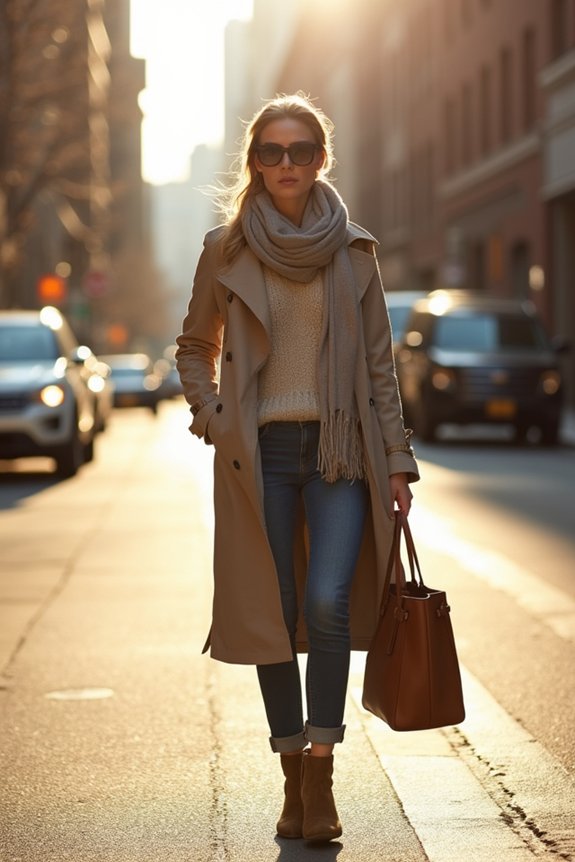
Why do so many people struggle with 60-degree weather? It’s because they treat it like a single temperature instead of a moving target. You wake up shivering at 50 degrees, then by afternoon you’re sweating at 65. That’s where your layering strategy saves you.
Here’s what works: start with a quality base layer that wicks moisture and regulates temperature throughout the day. Add a light outer layer for immediate protection. Include a mid layer when mornings bite harder or wind picks up. This approach lets you adjust instantly without carrying excess gear.
Think of it this way. You’re building flexibility, not bulk. Temperature swings at 60 degrees demand responsive clothing. When you master this system, you stop fighting the weather and start adapting to it seamlessly.
Build Your 60-Degree Base Layer: Breathable Essentials
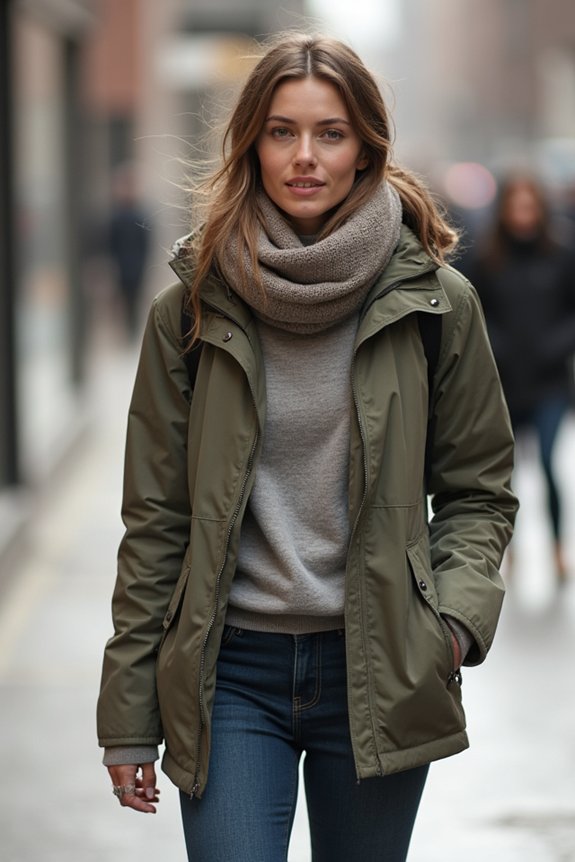
What makes or breaks your 60-degree outfit? Your base layer. I’ve learned that choosing the right foundational piece determines whether you’ll feel comfortable all day or regret your choices by noon.
Start with breathable fabrics that handle temperature regulation naturally. I recommend merino wool tees; they regulate temperature brilliantly while wicking moisture away from your skin. Cotton T-shirts work too, though they’re less forgiving when you sweat.
Merino wool tees regulate temperature brilliantly while wicking moisture away—cotton works, but it’s less forgiving when you sweat.
Your base layer needs to stand alone during warmer stretches, so pick something you’d confidently wear without additional layers. Consider lightweight knit tops or button-down shirts for versatility. These layering essentials balance breathability and coverage perfectly, letting you add or remove mid-layers without feeling restricted.
Think strategically about your base layer first. Everything else builds from there.
Choose Your Mid-Layer for 60-Degree Days: Warmth Without Bulk
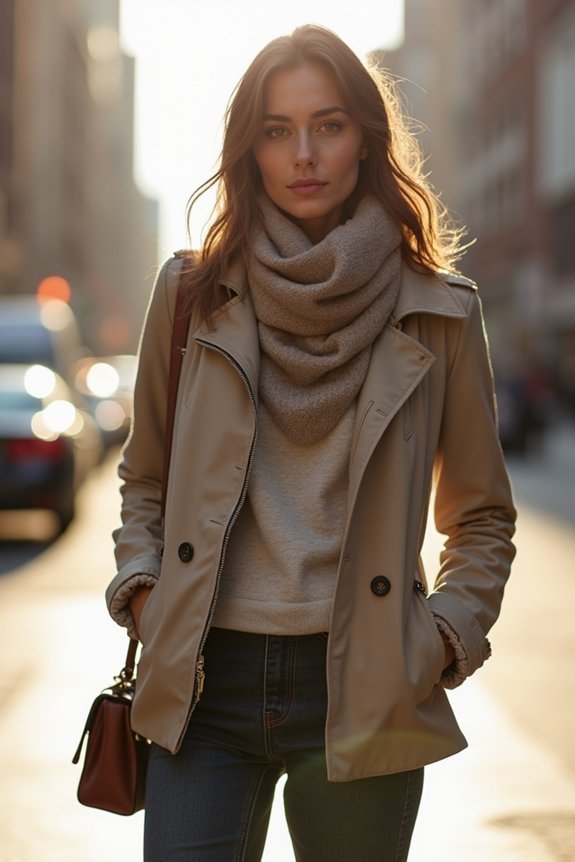
Once you’ve nailed your base layer, your mid-layer makes or breaks comfort on 60-degree days. The right mid-layer adds warmth without bulk, letting you move freely through your day.
Think thin sweaters, cardigans, or denim shirts. These lightweight fabrics—cotton blends, merino wool, light denim—prevent overheating when sun breaks through clouds. Merino wool performs particularly well because it regulates temperature and wicks moisture, handling those temperature swings effectively.
Here’s the layering approach: base layer stays put, mid-layer adds your warmth, outer layer protects from wind or rain. When temperatures approach 65°F, you can remove that mid-layer midday and rely on lighter protection instead.
Choose strategically, and you’ll stay comfortable throughout the day.
Select Your Outer Layer: Light Jackets and Shackets
I’ve found that your outer layer choice truly makes or breaks a 60-degree outfit, and you’ve got three solid options that work for different vibes. Leather jackets give you that timeless edge and work over basically anything. Shackets blend casual comfort with polished polish so you’re never overdressed. Utility jackets deliver practical protection when you need an extra weatherproof barrier. Pick whichever matches your day’s plans, and you’ll nail that sweet spot between staying warm and looking sharp.
Leather Jackets For Versatility
Why does a leather jacket feel like the ultimate 60-degree solution? Because it’s the transitional weather staple you’ve been searching for. A quality leather jacket provides lightweight outerwear that doesn’t trap heat while keeping you protected from that crisp morning chill. What makes it practical is its versatility. You’ll wear it over basics for casual vibes, then instantly elevate the same outfit with wide-leg pants for smart-casual occasions. The breathable fabrics in modern leather layers prevent overheating as temperatures fluctuate throughout your day. You can easily remove it and carry it across your arm when things warm up. That’s the benefit of leather jackets for 60-degree dressing: they’re the reliable layer that transitions seamlessly between seasons and styles, keeping you both comfortable and polished.
Shackets: Casual Meets Polished
A shacket, the shirt-jacket hybrid, fills the gap when 60-degree weather calls for something between a t-shirt and a full jacket. Layering with a shacket elevates your outfit from basic to polished. Pair it with straight-leg pants and a simple tee for that casual-yet-refined look.
My approach is straightforward: roll those sleeves, keep your color palette cohesive, and you have versatile outerwear that works everywhere. For mid-60s days, I combine lightweight shackets with cropped sweaters to hit that medium-weight sweet spot without bulk. The benefit is clear; your shacket moves seamlessly from weekend errands to office settings. Skip the heaviness by choosing breathable fabrics instead. You’ll feel confident and comfortable, looking put-together in the process.
Utility Jackets For Protection
While shackets handle mild 60-degree days beautifully, you’ll want something with more backbone when wind picks up or clouds threaten rain. That’s where utility jackets shine. A lightweight utility jacket offers the perfect balance of protection and breathability for unpredictable weather. These jackets layer effortlessly over a simple tee or blouse, and their structured design prevents that bulky feeling. Look for breathable fabrics that won’t trap heat during midday warmth. The benefit is clear: you can easily remove it when temperatures climb, then slip it back on if conditions shift. Utility jackets give you flexibility during 60-degree weather transitions. Their practical pockets and durable construction mean you’re prepared for whatever comes your way.
Pair Bottoms and Footwear for 60-Degree Layering
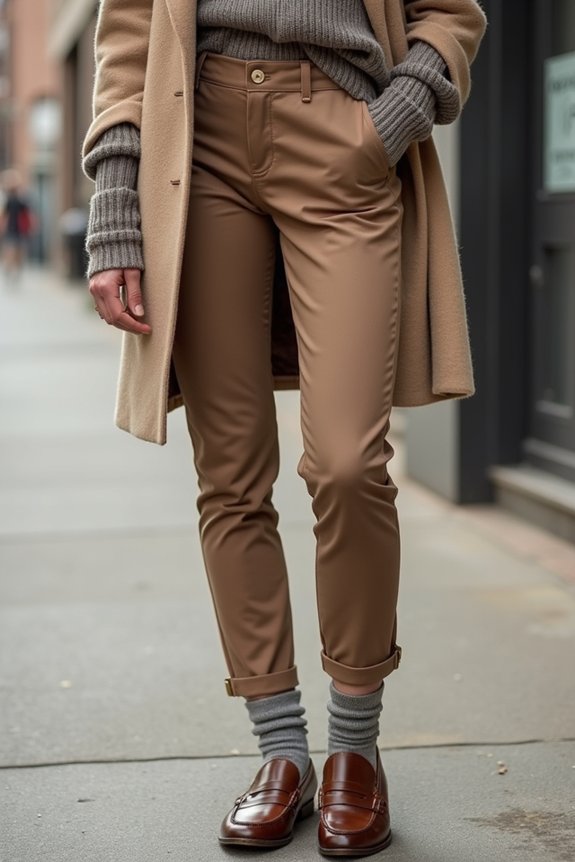
Once you’ve layered your top half, your bottoms and shoes determine whether you achieve a balanced 60-degree look. Consider whether a wide-leg or straight-leg jean suits your frame and the occasion. Keep in mind that footwear choices shift based on whether you’re closer to 55°F or a mild 60°F.
Match your shoe selection to temperature. Flats and loafers work well when it’s warmer. As conditions cool down, reach for ankle boots or taller options instead.
Wide Leg Silhouette Balance
How do you style wide-leg bottoms without looking like you’re drowning in fabric?
Balance matters in 60-degree weather layering. Here’s what actually works:
- Tuck in your top to define your waist and create proportion
- Pair wide leg silhouettes with long sleeves for a grounded look
- Layer a cropped jacket or shacket to break up volume
- Choose fitted tops that cinch at the waist
The key is working with the silhouette, not against it. When wearing wide legs, create visual anchors intentionally. A tucked-in sweater paired with a cropped jacket shifts the look from overwhelming to deliberate and composed.
Footwear plays an important role. Flats, loafers, or heeled sandals keep things streamlined without adding bulk. This approach lets you embrace wide-leg comfort while maintaining a polished, put-together appearance in any 60-degree setting.
Footwear Selection by Temperature
What shoes actually work when you’re layering for 60 degrees? Closed-toe shoes are your best option here. Loafers give you that polished, versatile look that transitions seamlessly as temperatures fluctuate throughout your day. Ankle boots work well with thicker pants and layered tops, grounding your outfit while keeping your feet protected. If you’re confident the weather will stay warmer, heeled sandals keep things cooler without sacrificing style. Flats offer practicality when humidity rises.
Choose weather-appropriate footwear that handles both layering and temperature shifts. Avoid jeans dragging on wet ground by pairing them with closed-toe shoes for grip. The right footwear makes layering feel natural and comfortable rather than restrictive.
Refine Your Outfit: Textures and Colors That Work Together
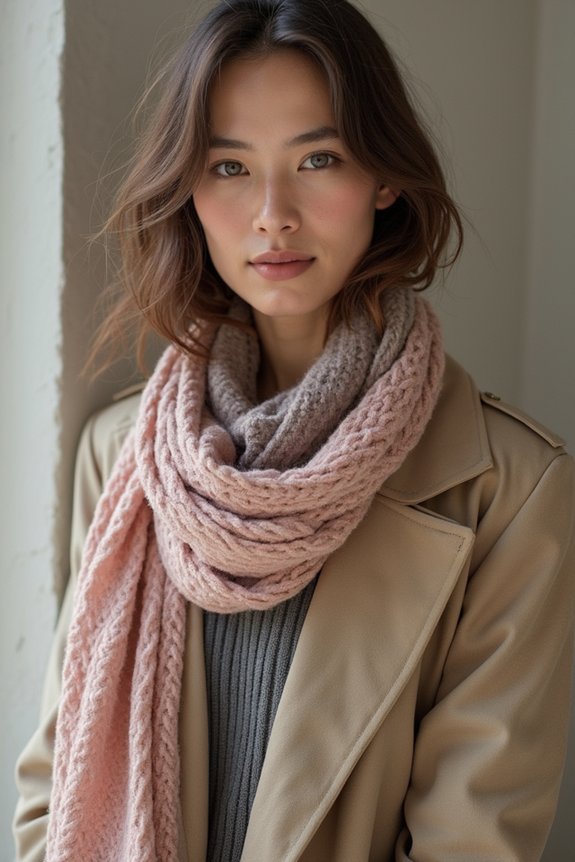
Because 60-degree weather sits right between seasons, you have a real opportunity to get creative with how different fabrics and shades work together. Mixing textures takes a basic outfit and makes it more interesting without adding bulk.
Here’s what I recommend:
- Layer a suede jacket over a cotton blend top for dimension and visual appeal
- Pair deep reds or cognac browns with white stripes to brighten darker pieces
- Choose neutral tones on outerwear and shoes to ground bolder tops
- Mix black jeans with a lightweight jacket for balanced, breathable coverage
Your color palette matters too. Rich autumnal colors boost that transitional-season mood, while white sneakers or stripes prevent heavier looks from feeling suffocating. Neutral tones keep everything cohesive and versatile. This approach lets you stay true to the season while remaining comfortable and stylish.
Adjust for Temperature Swings: 55°F to 65°F
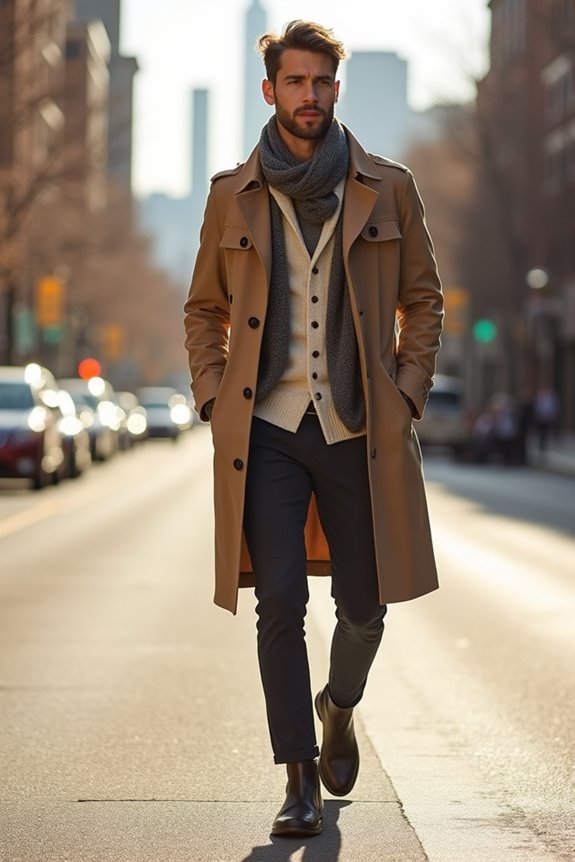
Now that you’ve nailed the texture and color game, you’ve got to master the real challenge of 55°F to 65°F weather: it’s never actually one temperature all day long. I’m talking about genuine temperature swings from 55°F mornings to 65°F afternoons, the kind that’ll catch you off guard if you’re not strategic.
Here’s my approach: start with a breathable base layer, add a mid layer you can tie around your waist, then grab your outer layer for the commute. By midday, you’ll shed that jacket. By afternoon, maybe the cardigan too. I always choose lightweight footwear—sneakers work great—so I’m not locked into heavy boots.
The key is that breathable fabrics prevent overheating as temperatures climb. Cotton and merino blends adjust with your body. Layer smart, and you’ll stay comfortable all day.
Common 60-Degree Layering Mistakes to Avoid
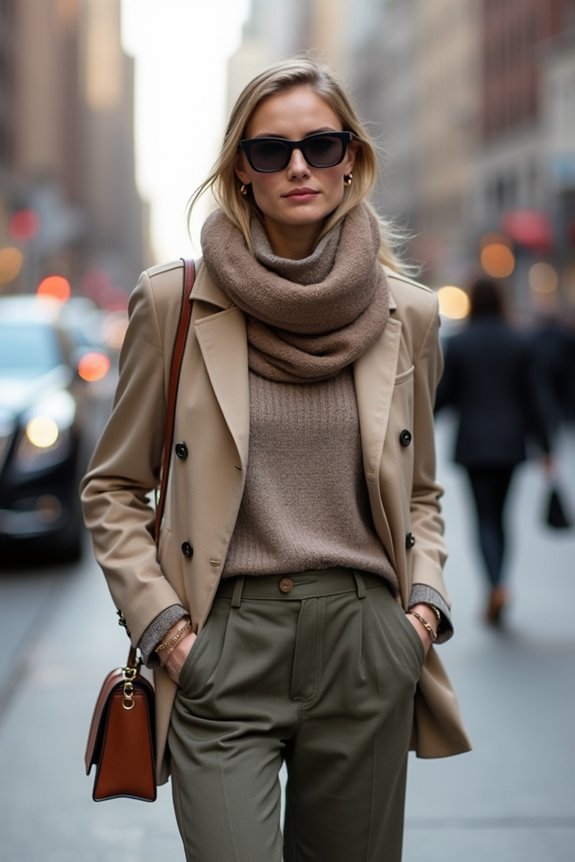
Most people treat it like a puzzle with only one right answer. They don’t realize 60-degree weather demands flexibility, not rigidity. I’ve watched countless people struggle because they’re overthinking the approach.
Here’s what actually trips you up:
- Relying on one heavy coat instead of balancing a base layer with a lighter outer layer
- Under-layering your base, forgetting it should work indoors and outdoors solo
- Over-layering early when mid-layer removal keeps you comfortable as temps rise
- Skipping footwear planning, staying in boots when loafers make sense later
I’ve learned that avoiding heavy wool knits and quilted vests prevents looking bulky in 60-degree weather. The real payoff comes from carrying your light outer layer once temperatures climb. This approach gives you control throughout the day without feeling trapped by your clothing choices.