
Your courtroom outfit isn’t fashion; it’s your silent argument. Wear a navy or charcoal suit, crisp white shirt, conservative tie, and polished closed-toe shoes. Women should opt for knee-length skirts or dress pants with modest blouses. Keep accessories minimal and nails clean.
Judges form opinions in seconds, and professional appearance signals respect for the process. Avoid jeans, logos, and bright colors entirely. Three days before court, inspect your outfit for wrinkles and loose buttons. When you get the details right, you’ll notice how differently people listen.
Why Court Appearance Matters: First Impressions and Credibility
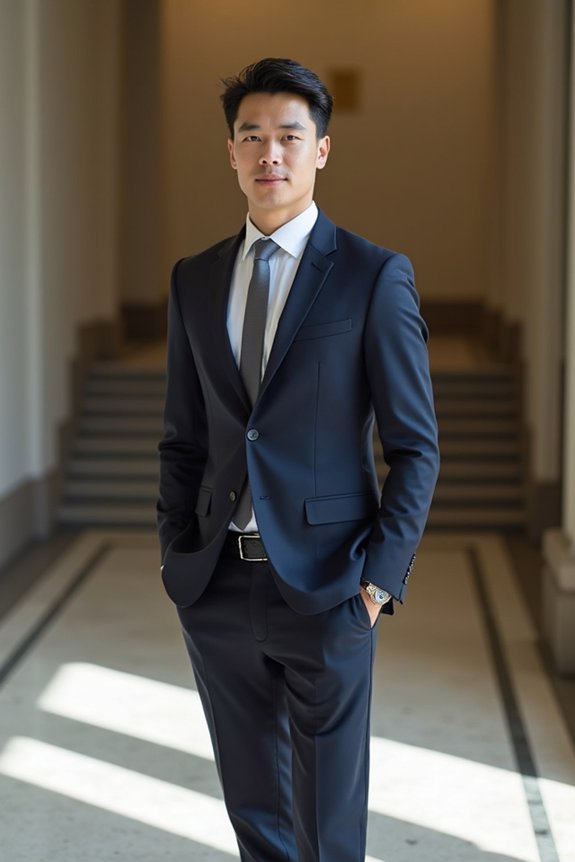
Credibility—it’s the currency of the courtroom, and you’re either earning it or losing it before you say a single word. Judges form quick impressions in just 2–3 seconds based on appearance alone. Your courtroom attire isn’t vanity; it’s strategy.
Credibility is currency in the courtroom. You’re earning it or losing it before you speak a word.
When you walk in wearing professional clothing that signals respect, you’re telling everyone in that room something important: you take this seriously. First impressions shape outcomes. A conservative, businesslike outfit communicates reliability and responsibility instantly.
Your court-appropriate attire influences how judges perceive you. It affects their decisions on bail, custody, and sentencing. Credibility is built through consistency. Professional appearance demonstrates preparedness and respect for the legal process itself.
You’re not dressing for fashion. You’re dressing to be heard.
Is There an Official Court Dress Code?
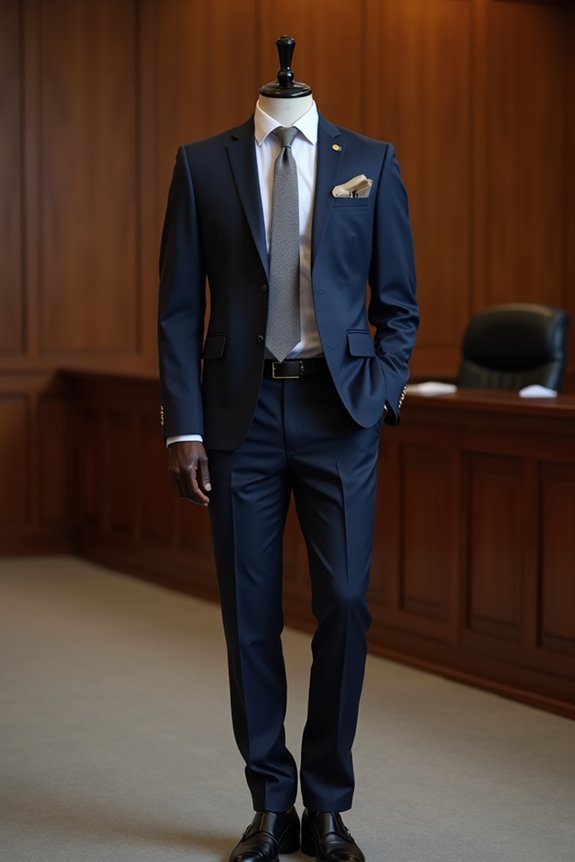
There is no federal law that dictates exactly what to wear to court. Instead, each judge and courthouse establishes its own standards. Most court websites do not post detailed dress codes, but this absence does not mean anything goes. The expectation is that your appearance demonstrates respect for the judicial process and your understanding of its significance.
Consider how you would dress for a job interview at a formal law firm. The same principle applies in court. Appropriate attire means avoiding shorts, tank tops, hats, and other casual clothing. Conservative, professional dress is the standard. Your clothes should communicate that you recognize the seriousness of the situation and the importance of the proceedings.
Courts Set Individual Standards
When you walk into a courtroom, you won’t find a laminated dress code posted next to the jury box. Instead, each court sets its own standards for courtroom attire. What works in one courthouse may not work in another, so check ahead before your appearance.
Most courts emphasize conservative clothing that shows respect for the institution. Think of a job interview at a law firm; that’s your benchmark. You’ll typically see signs prohibiting shorts, tank tops, and hats, but the real expectation runs deeper. Courts want professional dress that demonstrates you take the judicial process seriously.
Since there’s no federal mandate, individual judges hold significant power over enforcement. Some are stricter than others. Contact your specific court beforehand and ask about their expectations. This simple step prevents awkward confrontations and helps you present yourself appropriately.
No Federal Dress Mandate
You might expect the federal government to establish a single, universal dress code for all courtrooms across the country, but the reality is different: no such mandate exists. Instead, individual courts and judges set their own standards for courtroom attire. This means professional dress expectations vary significantly depending on where you’re appearing.
What does this mean for you? You’ll need to research your specific courthouse’s guidelines. Most courts publish general expectations emphasizing conservative clothing, something appropriate for a job interview. Common restrictions include no shorts, tank tops, or casual wear. Some jurisdictions enforce stricter standards than others.
Here’s what to do: contact your local court website or call the courthouse directly. Ask about their specific court guidelines. This proactive approach means you’ll walk in confident, properly dressed, and respectfully prepared. Don’t leave your courtroom attire to guesswork.
Respect Remains The Expectation
Why do courts care so much about how you look if they don’t publish a detailed dress code? The answer is straightforward: respect remains the expectation, even without official mandates. Courts operate on unwritten professional standards that signal you take the proceedings seriously.
Think of your courtroom appearance as a nonverbal message to judges and juries. You’re demonstrating that you understand courtroom etiquette matters. What demonstrates respect through professional attire includes:
- Conservative appearance choices that avoid distractions
- Business-casual or formal clothing that shows respect
- Adherence to basic prohibitions like no shorts or tank tops
I’ve observed cases where appearance influenced perception before anyone spoke a word. Your court dress code compliance communicates maturity and respect for the institution itself. You’re not just following rules; you’re joining a community that values formality and seriousness. That matters.
Core Principles for Court Attire

I’ve learned that courtroom attire boils down to two fundamental principles: showing respect through your appearance and making a positive first impression that supports your case. When you walk in wearing a polished suit or tailored blazer, you’re telling the judge and everyone present that you take the proceedings seriously and understand the gravity of the situation. Your clothes won’t argue your case for you, but they’ll clear the way for your words to be heard without unnecessary distractions.
Respect and Professionalism
How does your appearance shape what a judge thinks before you’ve spoken a single word?
Your courtroom presence starts with what you wear. Professional attire isn’t about fashion; it’s about respect for the court and the process itself. When you dress conservatively, you’re telling everyone that you take this seriously.
What matters most:
- Conservative colors like navy, charcoal, and beige project credibility and reliability
- Clean grooming, including trimmed hair, neat nails, and minimal jewelry, shows you care about details
- Modest clothing without logos or patterns keeps focus on your case, not your outfit
Your appearance is your silent introduction. Dress with intention. Judges and jurors notice when you’ve made the effort to show respect. That choice speaks volumes before you ever open your mouth.
First Impression Impact
Within those first 2–3 seconds of walking into a courtroom, you’re already being judged. Not on your argument. Not on your evidence. But on what you’re wearing. I’ve seen cases shift based entirely on professional appearance. Here’s why this matters: judges form immediate impressions that unconsciously influence their perception of your credibility.
Your court attire speaks before you do. Conservative dress signals respect for the institution and courtroom norms. A well-fitted suit, neutral colors, and polished grooming convey that you take this seriously and that you respect the judge’s time.
This isn’t about fashion; it’s about strategy. When your professional appearance aligns with expectations, you’ve eliminated a distraction. The judge focuses on your case, not your outfit. That’s your advantage. Dress deliberately. Own the room from step one.
What to Wear for Women: Tops, Bottoms, and Footwear
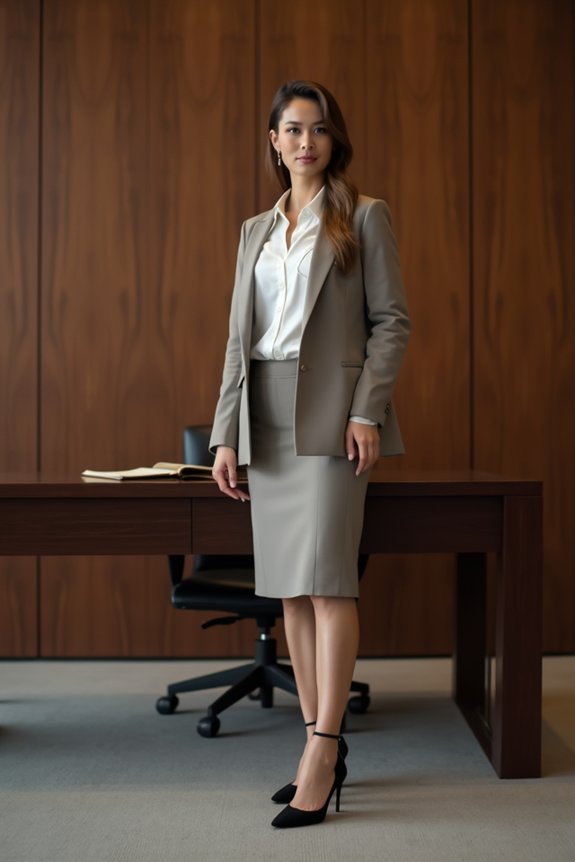
When you’re getting dressed for court, your clothing does the talking before you ever open your mouth. Professional dress isn’t about looking fancy; it’s about showing respect for the process and yourself.
Your clothing speaks before you do in court—professional dress shows respect for the process and yourself.
Women’s tops: Choose conservative clothing like blouses or dress shirts with modest necklines. Avoid anything sheer or plunging.
Bottoms: Wear knee-length skirts or dress pants that fit well and look tailored. This creates the polished appearance courts expect.
Business footwear: Select closed-toe shoes with low-to-moderate heels that are clean and in excellent condition.
Stick with neutral colors such as navy, charcoal, or beige. Skip flashy prints and logos entirely. When you dress appropriately for court, you’ll feel confident in how you present yourself. That confidence will show in how you carry yourself throughout the proceedings.
What to Wear for Men: Suits, Shirts, and Grooming Standards
When you’re heading into the courtroom, your appearance speaks before you do, so let’s talk about what actually works for men. You’ll want to master three key areas: picking the right suit, pairing it with appropriate shirts and ties, and presenting yourself with polished grooming that shows respect for the court. I’m going to walk you through each of these because getting them right can influence how seriously people take you.
Professional Suit Selection
How do you want the judge to see you walk into that courtroom? I’ll tell you: with confidence and respect. Your professional suit selection sets the tone before you speak a word, and that matters enormously.
Here’s what I’ve learned matters most:
- Choose navy or charcoal two-piece suits that convey stability and trustworthiness
- Pair them with white or light blue dress shirts featuring well-fitted collars
- Add conservative colors and muted ties that won’t distract from your credibility
Conservative colors aren’t boring; they’re strategic. I’ve watched countless cases where court attire communicated professionalism louder than opening statements. Your polished appearance tells judges you respect the process. That courtroom dress code exists for a reason: it levels the playing field.
When you dress intentionally, you’re not just following rules. You’re joining a tradition of people who show up prepared, serious, and ready.
Shirt and Tie Guidelines
Your shirt and tie aren’t afterthoughts; they’re the foundation of courtroom credibility. Your court appearance speaks before you do. Choose a long-sleeved dress shirt in white or light blue, keeping it wrinkle-free with a properly fitted collar. Tuck it in completely and button up to at least the second button.
Your shirt and tie combination should feel intentional. Pair it with a conservative tie in muted colors or subtle patterns. Nothing loud or novelty-based belongs in court. Attorneys who wear distracting neckwear often find they’ve lost the judge’s attention.
For professional dress, keep the placket clean, match your belt to your shoes, and maintain sharp grooming standards. Trimmed facial hair, clean nails, and polished shoes complete your court attire. You’re building trust through every detail.
Grooming and Polish Standards
Beyond the suit itself, I’ve learned that grooming separates the credible from the careless in any courtroom. Your professional appearance isn’t just about fabric; it’s about respect. Here’s what matters most for that polished look:
- Keep your face neat and clean-shaven or sport neatly trimmed facial hair that shows you care
- Trim your nails short and clean. Judges notice hands more than you’d think
- Polish your shoes until they shine. Scuffed leather undermines your entire courtroom attire
I’ve watched cases turn on first impressions. Your dress code adherence demonstrates discipline and accountability. When you prioritize grooming, you’re telling the court you take this seriously. That matters. You’re not just following rules; you’re joining professionals who understand that personal polish reinforces your credibility before you speak a single word.
Jewelry, Watches, and Grooming: Keep It Simple

When I walk into a courtroom, I’ve learned that less really is more. Your accessories should whisper, never shout. I keep my jewelry minimal: one simple watch, one ring, small stud earrings, and maybe a delicate chain. Nothing flashy or noisy distracts from what matters: the proceedings.
Your grooming and conservative attire work together. Neutral nail polish, subtle makeup, and neat hair show respect. Match your jewelry colors to your suit or dress for cohesion.
| What to Wear | What to Avoid | Why It Matters |
|---|---|---|
| Simple watch | Oversized pieces | Keeps focus on you |
| Stud earrings | Graphic jewelry | Projects professionalism |
| Delicate chain | Loud patterns | Judges appreciate restraint |
I’ve seen how minimalist accessories build credibility instantly. You’re joining a professional community that values substance over flash. The courtroom rewards restraint. When your accessories stay subdued, your presence and competence become the focal point. This approach works because it aligns with the expectations of legal settings, where tradition and formality matter.
10 Common Courtroom Outfit Mistakes to Avoid
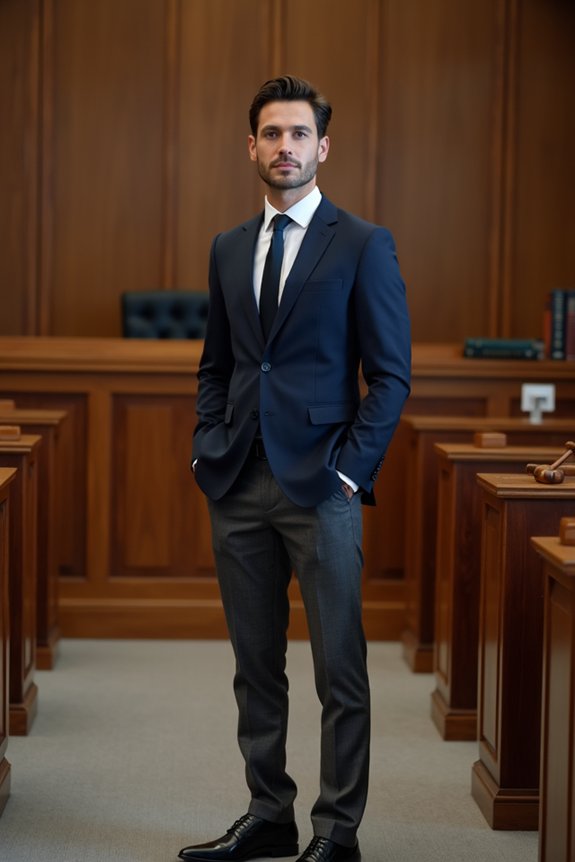
What separates courtroom-appropriate outfits from outfit disasters? I’ve watched countless people undermine their credibility through preventable dress code mistakes. Let me share what I’ve learned from years of courtroom observation.
Your professional wear sets the tone before you speak. Here are the most common court attire mistakes I see:
- Wearing casual streetwear like jeans, shorts, or graphic tees that signal disrespect
- Choosing bold patterns, logos, or distracting colors instead of conservative dress
- Pairing outfits with sneakers, flip-flops, or overly high heels rather than polished shoes
Conservative dress isn’t about suppressing yourself; it’s about respecting the space. I recommend neutral tones, closed-toe shoes, and properly fitted clothing. Your courtroom appearance communicates whether you take proceedings seriously.
Think of your outfit as armor that protects your message. Following these dress code guidelines keeps judges focused on your words, not your wardrobe.
Inspection and Timing: Preparing Your Outfit
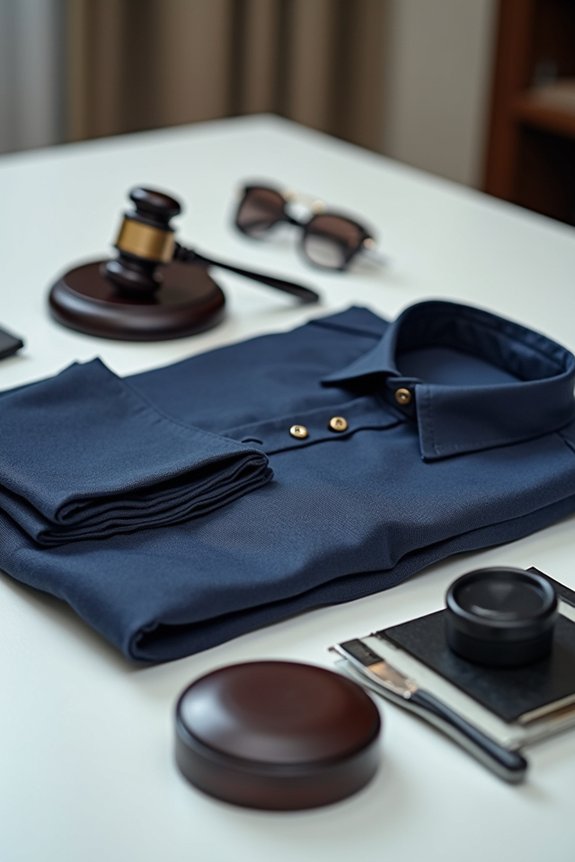
How many times have I seen someone arrive at court only to discover a stain they’d missed at home? It’s disappointing, really.
That’s why I’m strict about inspection and timing for my court attire. I examine everything three days before: loose buttons, tears, worn spots, wrinkles. Dry cleaning takes time, so I don’t wait until the last moment.
I’m strict about inspection and timing for my court attire. I examine everything three days before to allow time for dry cleaning.
Here’s my routine for professional dress preparation:
- Schedule dry cleaning early
- Inspect seams and hems thoroughly
- Check shoes for scuffs
- Verify grooming details matter
I arrive at the courthouse bathroom for a final check: nails, hair, accessories. Florida’s heat demands breathable fabrics, but that doesn’t mean compromising on polish. Your appearance communicates respect for the court and yourself.
Plan ahead. You’ll feel confident, composed, and properly prepared.
What to Wear in Criminal, Civil, and Family Court
Once you’ve got your outfit inspection down and you’re feeling prepared, it’s time to nail the specifics of what actually belongs in the courtroom. Your court attire sets the tone for how judges and juries perceive you, so conservative business attire in neutral colors like navy, charcoal, or beige is your foundation.
What works across criminal, civil, and family court:
- Men’s professional dress: Well-fitted suit or dress slacks with long-sleeved shirt and tie
- Women’s courtroom appearance: Tailored pantsuit, knee-length dress, or blazer with dress pants or skirt
- Appropriate footwear: Polished closed-toe dress shoes with minimal accessories
Skip flashy colors, logos, and anything revealing. Your courtroom appearance should whisper professionalism, not shout for attention. The goal is to present yourself in a way that keeps focus on the proceedings rather than your wardrobe.
Court Attire for Warm Weather
Warm temperatures do not excuse a drop in courtroom professionalism. Successful warm weather court dress requires deliberate choices that balance comfort with a polished appearance.
Select breathable fabrics such as lightweight wool blends, cotton, or linen blends. These materials prevent overheating while preserving a professional look. Maintain conservative colors; navy, gray, and beige all project seriousness and command respect.
Women should wear knee-length skirts or dress pants paired with modest blouses. Men should choose lightweight suits or dress pants with long-sleeve shirts and ties. Both require closed-toe shoes.
Apply this principle consistently: prioritize wrinkle-resistant materials and maintain impeccable presentation. Keep accessories minimal, avoid heavy fragrances, and skip prominent jewelry. Your professional appearance communicates authority without additional embellishment.
How Your Appearance Influences Judge and Jury Perceptions
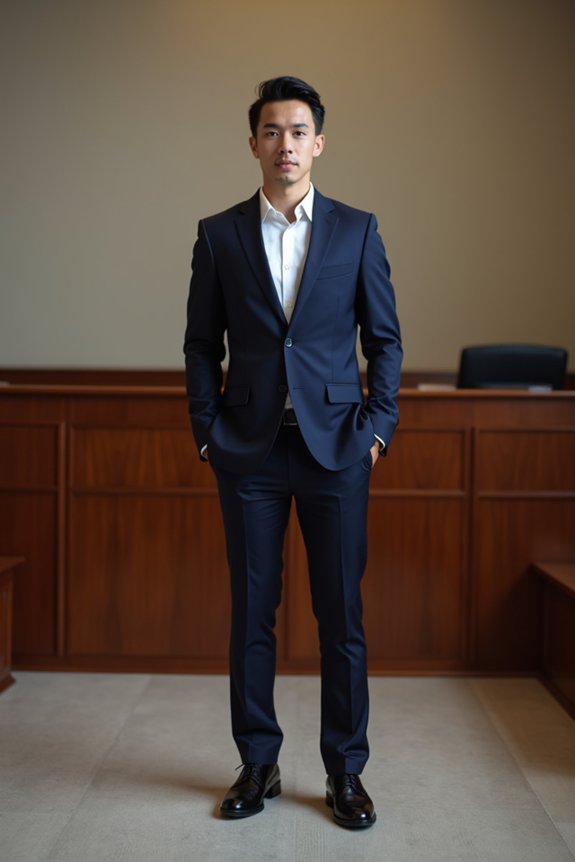
Your appearance is your opening argument. I’ve watched judges form opinions in mere seconds, and you want those impressions working for you, not against you. Here’s what I’ve learned matters most:
- Professional attire signals respect for the legal process and your case’s importance
- Neutral colors like navy, charcoal, and beige convey reliability and won’t distract decision-makers
- A polished appearance (well-fitting clothes, neat grooming, minimal accessories) demonstrates you’re prepared and trustworthy
Judge perception depends heavily on these details. When you walk in wearing wrinkle-free fabrics and conservative clothing, you’re not just dressing up. You’re building credibility before speaking a word. Court demands this from us. A professional attire choice removes distractions and lets your case shine through.
Does Your State Have Specific Dress Codes?
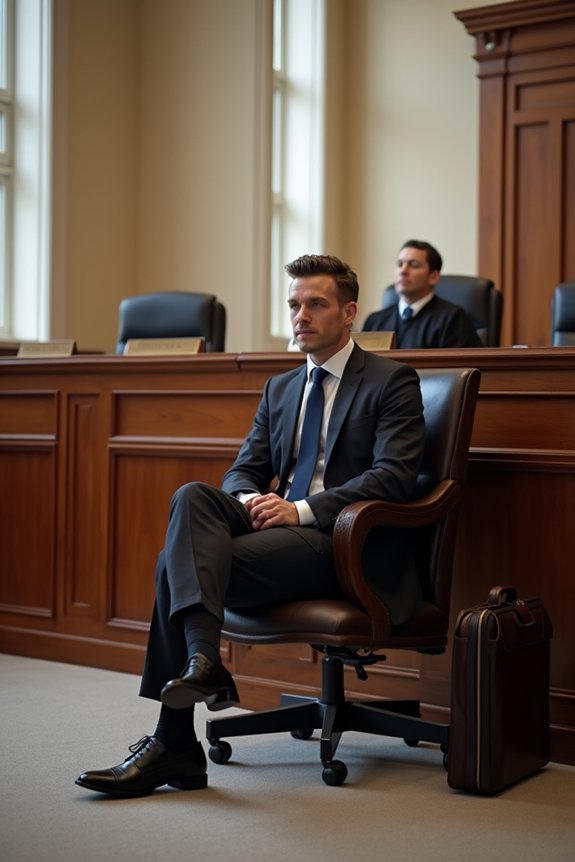
What happens when you show up to court in your everyday clothes? You might find yourself turned away at the door. Here’s the reality: no federal law dictates courtroom attire, but individual states enforce their own conservative dress codes. Florida courts, for example, take entry standards seriously and deny access to those who don’t comply.
Your state-specific rules matter more than you’d think. While judges won’t publish detailed guidelines, they expect professional appearance that mirrors a job interview. Think business casual at minimum: blazers, dress pants, closed-toe shoes. This isn’t about fashion; it’s about respect for the judicial process.
I recommend calling your local courthouse beforehand. Ask about their courtroom attire expectations directly. You’ll show respect and avoid embarrassment. Conservative dress codes exist everywhere, so dress appropriately before you walk in.
Final Checklist: Ensuring You’re Court-Ready
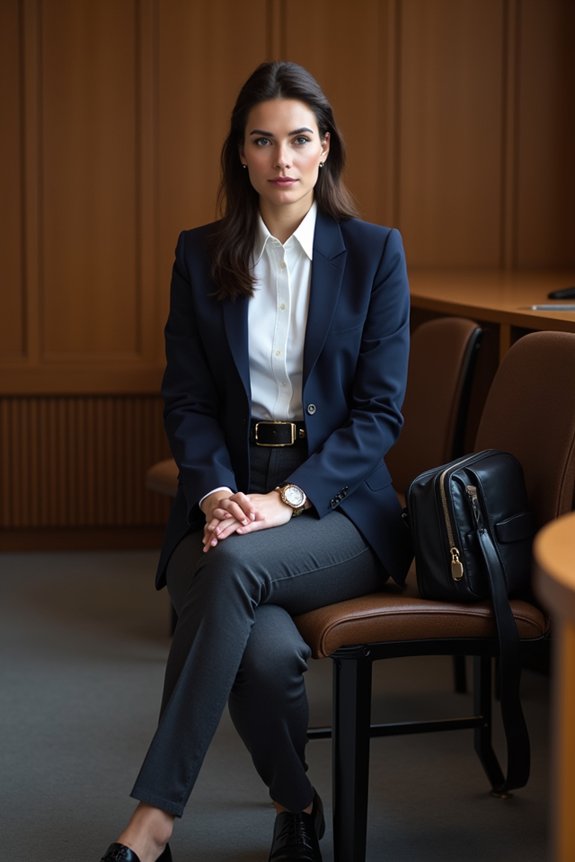
Before you step into that courtroom, run through this checklist to confirm you’re fully prepared.
Verify your entire presentation aligns with your local court’s dress code expectations:
- Your court attire should be wrinkle-free, well-fitted, and conservative. Wear a suit for formal trials or dress pants with a shirt for traffic court.
- Your professional appearance includes closed-toe court footwear, minimal accessories, no hats or sunglasses, and neat grooming that projects competence.
- Your conservative clothing avoids logos, flashy patterns, and distractions that undermine your credibility.
Check your security requirements as well. Verify accessibility accommodations if you need them. You’ve prepared your case; now confirm your appearance reflects that same commitment to success.