
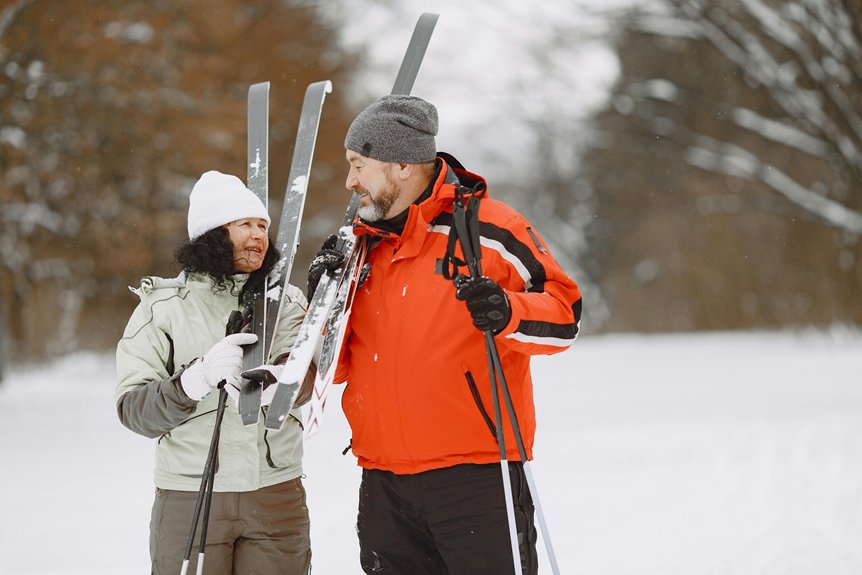
Dressing for skiing means layering smart, not bulky. Start with moisture-wicking base layers, such as merino wool or synthetics; cotton should be avoided. Add a mid-layer fleece for warmth, then top it with a waterproof, breathable shell.
For pants, choose insulated or shell styles based on your cold tolerance. Don’t skimp on essentials: helmet, goggles with two lens options, quality socks, and gloves or mittens. The key to comfort throughout the day is adjusting layers as conditions change.
Master Ski Layering: Base, Mid, and Outer Wear
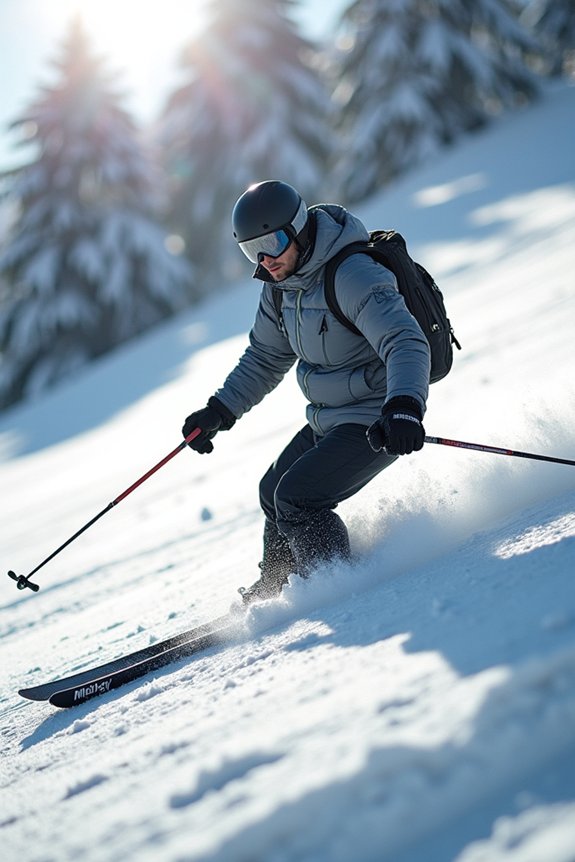
How’s your current ski outfit working for you, or is it leaving you shivering halfway down the mountain? I’ve been there, and I learned that mastering the three-layer system changes everything.
Your base layer is your foundation. I choose merino wool or synthetics that wick moisture away from my skin, keeping me dry and regulated. Cotton? Skip it entirely.
Next, your mid-layer traps warmth without bulk. Fleece or synthetic jackets work perfectly here, letting you breathe while staying toasty.
Finally, your outer layer is your shield. I need waterproof, windproof shells that won’t suffocate me during intense runs. Pit zips help manage ventilation when I’m working hard.
This system lets you adjust as conditions change. You’re not just staying warm; you’re staying comfortable all day long.
Choose Your Ski Jacket (Shell vs. Insulated)
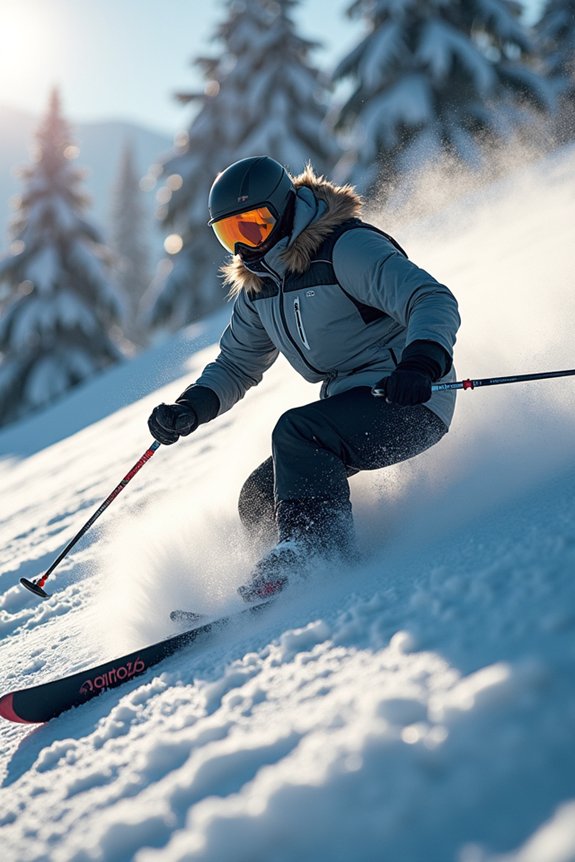
Now that you’ve got your layering foundation down, it’s time to pick the right outer shell. This choice matters. You have two main options: dedicated shells or insulated jackets.
Shells are waterproof and windproof, requiring you to layer underneath for warmth. This approach provides flexibility across varying conditions. Insulated jackets combine warmth with built-in protection, though they sacrifice some external waterproofing compared to shells.
When evaluating either option, consider pit zips and breathable membranes like Gore-Tex for managing moisture effectively. Check helmet compatibility as well; you’ll want your hood fitting snugly on windy days.
The right choice depends on your layering strategy and how you ski different terrain throughout the season. Neither option is inherently better than the other.
Ski Pants: Insulated or Shell?
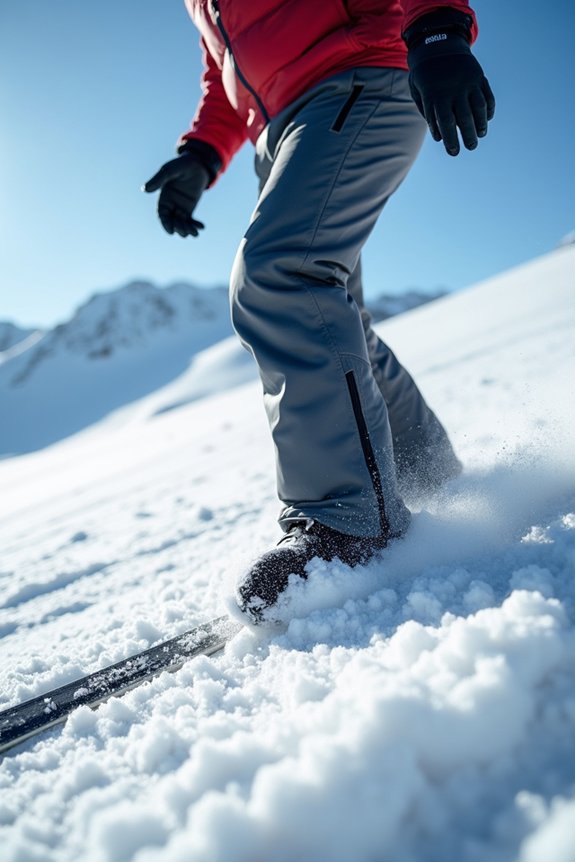
Why does the pants choice matter as much as your jacket? Your legs bear the brunt of wet snow and wind exposure all day long.
You have two main options: insulated versus shell. Insulated pants trap warmth with built-in padding, which works well if you’re easily cold. Shell pants are lighter and rely on base layers underneath, offering better breathability when you’re working hard on the slopes.
Prioritize waterproof protection regardless of which you choose. Look for Gore-Tex or similar laminates that shield against moisture while allowing sweat to escape. This breathability prevents that clammy feeling mid-run.
Shell pants offer versatility; I layer up or down depending on conditions. Both styles work effectively when you understand your own temperature needs.
Stay Safe and Comfortable: Helmet, Goggles, Gloves, and Socks
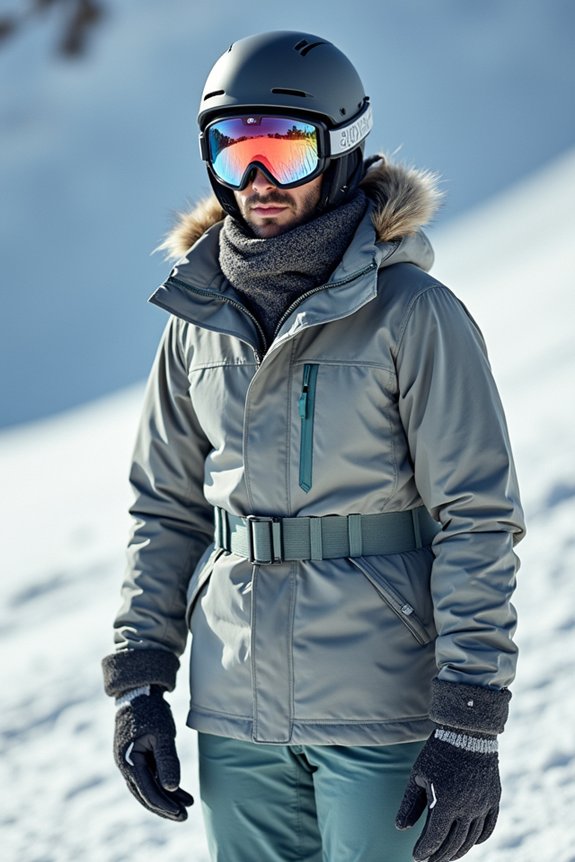
I’ve learned that the right helmet, goggles, gloves, and socks significantly impact your mountain experience. You can have the best jacket and pants, but if your head’s pounding from a poorly fitted helmet or your fingers are numb, you’ll cut your day short. I know from experience. Let me show you how to get these essentials right so you’re protected, warm, and actually enjoying yourself out there.
Essential Protection Gear
Head-to-neck protection determines whether you’ll remember a day fondly or wish to forget it. I’ve learned this through frozen eyelashes and near-misses on icy runs.
Your helmet is non-negotiable. Purchase certified protection that fits snugly, not loosely. Proper fit directly affects how well it shields you when things go wrong.
Next, invest in goggles with two lens options. Bright days require one lens; low-light conditions require another. I switch mine constantly because visibility changes everything out there.
Glove selection comes next. I prefer gloves for pole control, though mittens offer superior warmth. Choose what suits your style and conditions.
Quality socks deserve attention as well. Darn Tough Lightweight Ski Socks provide necessary padding and stay put inside your boots, eliminating annoying rubbing that ruins days.
Comfort And Fit Details
How snugly does your helmet actually fit? A proper fit means no gaps, with straps sitting right around your ears and buckling securely under your chin. Your goggles should seal perfectly against the helmet, preventing fogging with anti-fog lenses. Switch between bright and low-light options based on conditions.
For your hands, gloves offer better pole control, though mittens perform better on brutally cold days. Thin ski socks prevent pressure points while ensuring snug boot fit, with padding strategically placed at your shin and heel. Layer an insulated jacket underneath, then add a fleece-lined neck warmer to reduce goggle fogging and boost warmth without restricting breathing.
These details make the difference between a miserable day and one you’ll actually enjoy.
Why Your Feet Freeze (and How to Fix It)
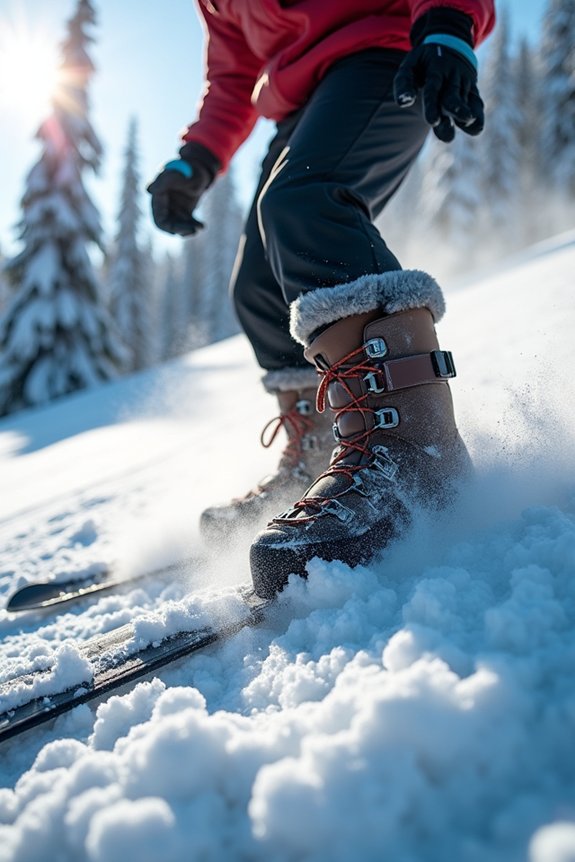
Why Your Feet Freeze (and How to Fix It)
Ever wonder why your toes go numb halfway down a run, even when you’re wearing expensive boots? I’ve been there. Your feet freeze because cold air, sweat dampness, and poor boot insulation combine to steal warmth fast. Here’s what I’ve learned works:
Your feet freeze because cold air, sweat dampness, and poor boot insulation combine to steal warmth fast.
First, invest in quality ski boots with proper insulation. Second, ditch thick socks for thinner, moisture-wicking options like Darn Tough lightweight pairs. They reduce bulk, improve fit, and keep feet drier. Third, layer strategically with moisture-wicking base layers to manage sweat before it freezes you out.
Still struggling? Boot heaters or heated socks provide targeted warmth, though they add bulk. The real solution comes down to this: dry feet stay warm feet. Control moisture, nail your boot fit, and you’ll actually enjoy those mountain days instead of counting down to hot cocoa.
Best Ski Brands and Where to Buy Gear
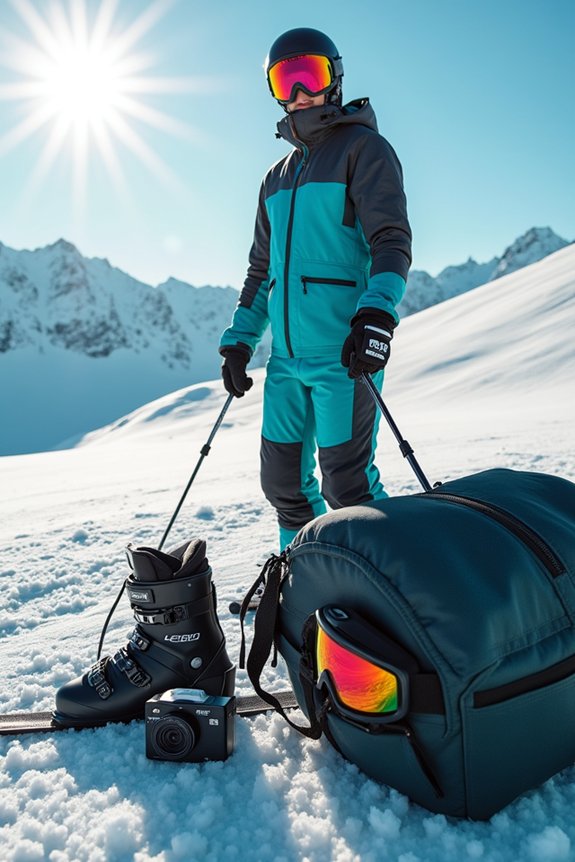
Finding the right gear matters less than knowing where to buy it smart. REI and local ski shops give you hands-on expertise and seasonal deals you won’t find online, plus staff who actually know how boots should fit your feet. Brands like Patagonia, Arcteryx, and The North Face consistently deliver quality gear, but timing your purchases around end-of-season sales can cut your costs in half.
Top Ski Gear Brands
Since you’re investing in quality ski gear, picking the right brands matters more than you’d think. Joining the skiing community means trusting brands that understand your needs.
Top Recommendations
Arc’teryx and The North Face deliver ski pants built for durability and comfort. Patagonia’s jackets blend performance with environmental responsibility. Gore-Tex technology keeps you dry and breathable when conditions get harsh. Smith goggles with interchangeable lenses adapt to any mountain condition.
These brands have earned their reputation through continuous innovation and consistent performance. When selecting your helmet, prioritize safety certifications and MIPS protection.
Where to Shop
REI and local ski shops offer personalized guidance that online retailers cannot match. Their season-end deals help you stretch your budget further while receiving expert advice from staff who understand your specific needs. This combination of savings and knowledgeable support makes local shopping worthwhile.
Where To Shop Smart
Now that you know which brands deserve your money, let’s talk about where to actually spend it. Buying smart means more than just picking the right label.
Start with specialty retailers like REI or your local ski shop. Their experts fit you properly for jackets, pants, and helmets. This approach helps you avoid costly mistakes.
Hunt end-of-season deals relentlessly. Winter sales on Gore-Tex shells and insulated mid-layers offer significant savings. You’ll find premium gear at reduced prices.
When shopping, check product specs carefully. Look for fully sealed waterproof zips, pit zips for ventilation, and helmet-compatible hoods. These details separate quality from mediocre construction.
Balance upfront costs with versatility. A quality Gore-Tex shell with lightweight insulation works across different conditions. You’re investing in pieces you’ll wear for years rather than just one season.