

Opera’s real dress code comes down to dressing for yourself and the occasion. Jeans to gowns work equally well. What matters is understanding your venue’s formality level and the event type. For multi-night cycles like the Ring Cycle, consider escalating formality across nights. Start with comfortable, tailored pieces, then elevate progressively. Focus on versatile core pieces (a blazer, tailored bottoms, statement tops) that mix and match easily. Prioritize confidence over perfection, and you will succeed. Want specifics on building your complete opera wardrobe?
Is There Really an Opera Dress Code?
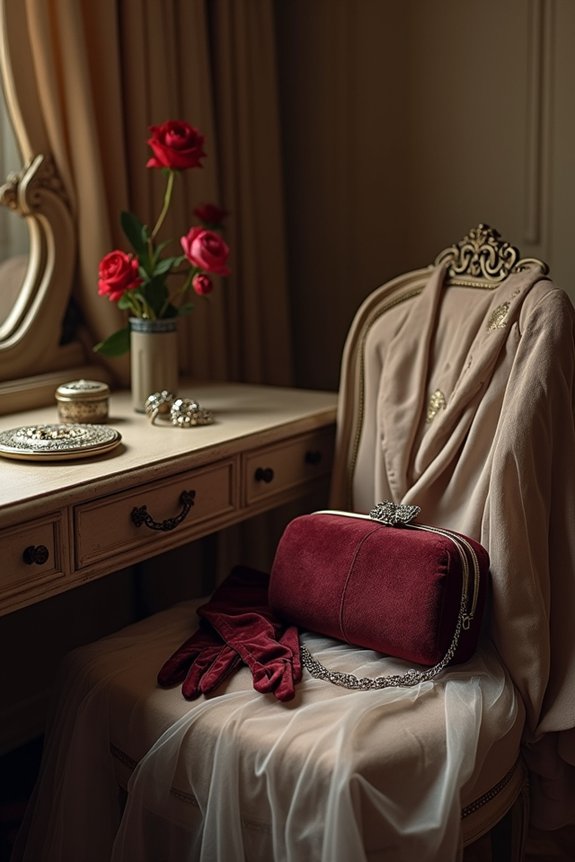
there’s no actual dress code police waiting at the door.
You can wear jeans to the opera. You can wear a gown. You can wear literally anything in between, and you’ll fit right in. The real dress code? Dress for yourself and the occasion.
I’ve seen attendees in casual denim sitting next to people in fur wraps, and honestly, nobody blinks. What matters is showing respect for the performance through thoughtful choices. Consider the venue’s formality level and the specific event type.
For something like a multi-night Ring Cycle, you might dress progressively more formally each evening. But here’s the truth: opera welcomes you as you are. Wear what makes you feel confident and comfortable, and you’re already dressed appropriately.
How Venue and Location Change What You Wear
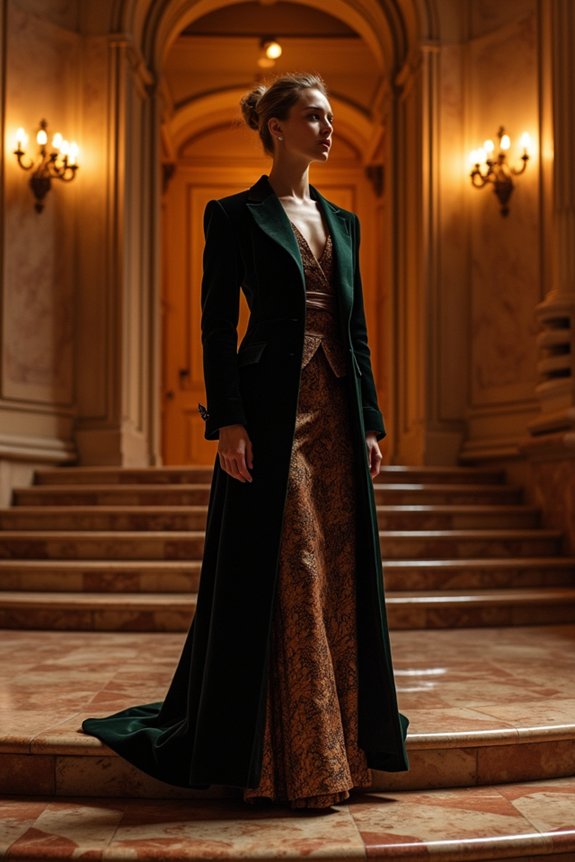
Now that you know you’ve got permission to wear whatever feels right, here’s where it gets interesting: the venue itself whispers what it expects. I’ve learned that location shapes your choices, and recognizing these subtle cues helps you feel confident and connected to your opera community.
The venue itself whispers what it expects. Location shapes your choices, helping you feel confident and connected to your opera community.
Consider these venue factors:
- Geographic culture — Washington, DC audiences lean fancier than most cities, so I dress up slightly more there
- Performance type — The Ring Cycle’s four nights demand escalating formality, matching the epic journey unfolding onstage
- Theater atmosphere — Intimate venues feel more casual; grand halls invite elegance
- Audience composition — Observing what regulars wear teaches you the unspoken expectations
You’re not overthinking this. You’re honoring the space and the community gathering there. That’s what belonging actually means.
Dressing the Ring Cycle: A Night-by-Night Strategy
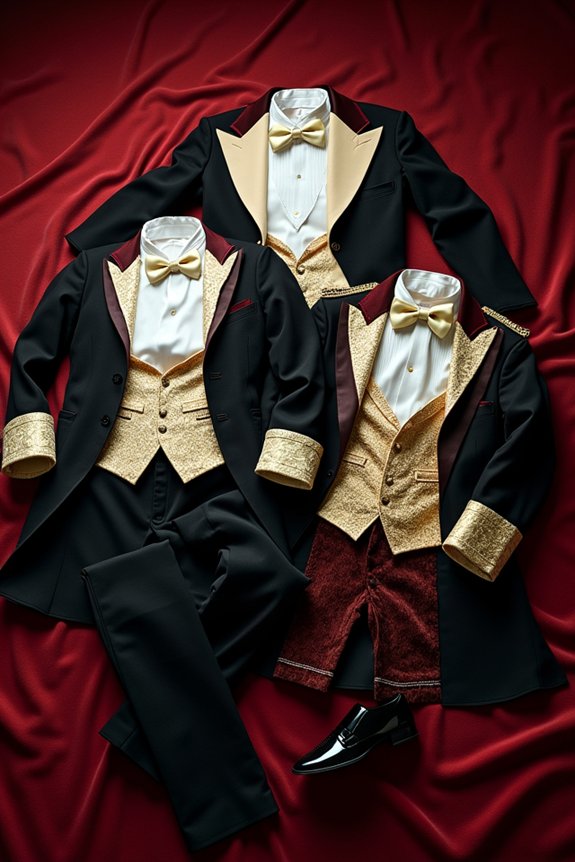
How do you dress for not one opera, but four consecutive nights of Wagner’s epic masterpiece? The answer is simpler than it might seem. Start by planning all four outfits together, considering what you’ll buy, rent, or reuse to balance cost and elegance.
Each night carries different energy. Night one calls for comfortable chic. By night four, you might elevate your look progressively. The benefit is flexibility; there’s no formal dress code dictating what you wear.
Here’s the approach: assess each opera’s specific formality level, then build around your comfort. Can you rent that gown for nights two and three? Yes. Will wearing elevated separates work instead? Also yes.
The actual rule involves adapting attire to each performance’s context while staying true to yourself. Your confidence matters more than perfection.
Core Pieces Every Opera-Goer Needs
Once you’ve mapped out your four-night strategy, you’ll realize that a smart wardrobe foundation saves you money and stress. Investing in versatile pieces lets you mix and match across multiple nights without starting from scratch each time.
A smart wardrobe foundation saves money and stress—invest in versatile pieces you can mix and match across multiple nights.
Here’s what I recommend building first:
- A classic black blazer – pairs with everything, dresses up jeans instantly
- Tailored trousers or a midi skirt – your neutral backbone for layering
- A statement top or elegant blouse – lets you shift formality without buying new bottoms
- Comfortable heels or dressy flats – you’ll stand for hours
These core pieces transform through accessories and layering. You’re not locked into one look. Instead, you’re creating a system where each item works harder, meaning fewer pieces overall and less financial strain on your wallet.
When to Rent Designer Pieces Instead of Buying
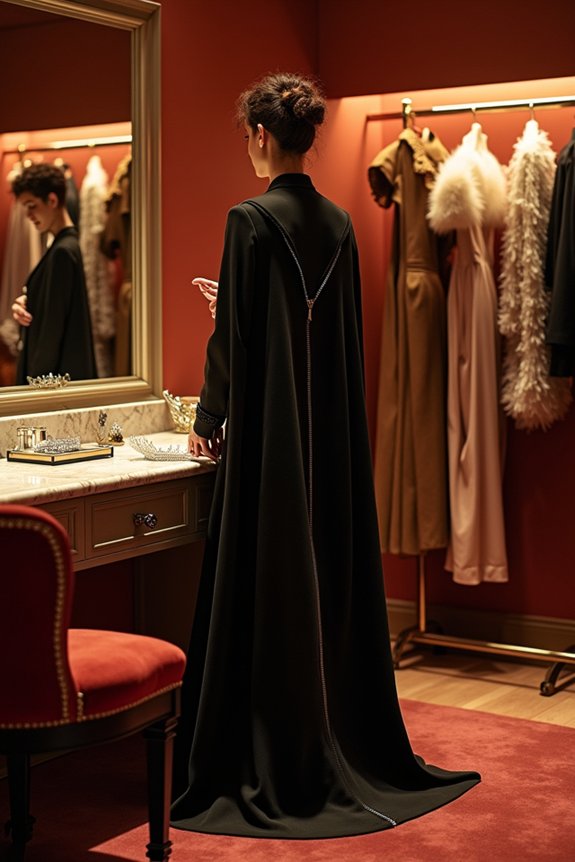
Why shell out thousands for a dress you’ll wear once? I’ve learned that renting designer pieces changes how I experience opera season. When I’m attending multi-night events like the Ring Cycle, I rent standout statement pieces (think beaded waist gowns or designer dresses) from services like Rent the Runway. This strategy lets me vary my looks across performances without guilt or financial strain. I can experiment with different silhouettes and formality levels each night, discovering what makes me feel confident. For budget-conscious opera enthusiasts like us, renting balances elegance with practicality. You’ll look polished without the long-term commitment or storage hassle. That’s smart dressing.
What Silhouette Actually Works for Your Body
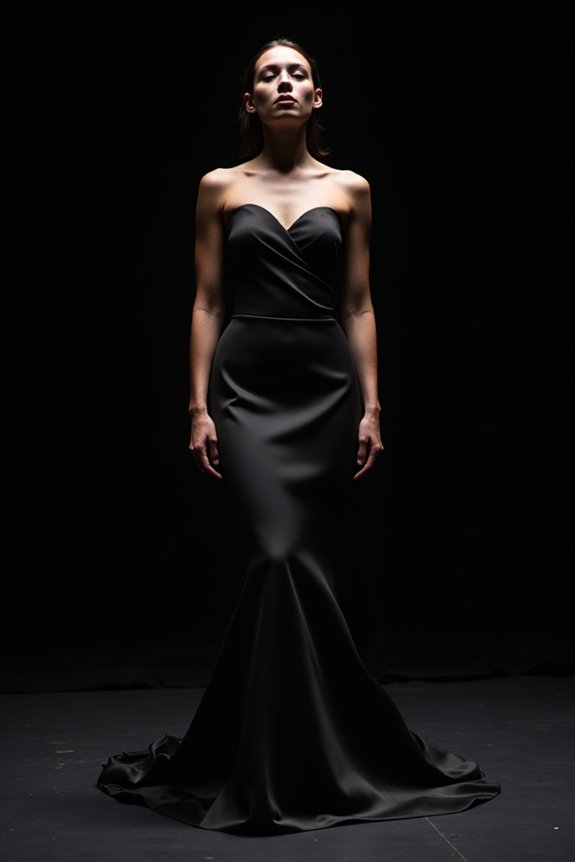
I’ve learned that your body type isn’t a limitation; it’s your starting point for looking striking at the opera. An A-line skims your waist and balances your shoulders with your hips, making it work for almost everyone, while high necklines and crisscross backs elongate your torso if you want that sleek effect. The real benefit comes when you match these flattering silhouettes to your proportions and personal style, creating a look that feels like you rather than a costume.
Finding Your Flattering Fit
The right silhouette isn’t about following fashion rules; it’s about understanding your body and dressing it strategically. When you choose cuts aligned with your shape, you’ll feel confident and comfortable at the opera.
Here’s what works:
- A-line designs balance proportions beautifully, emphasizing your waist without clinging anywhere uncomfortable
- Fitted bodices with defined waists enhance natural curves, especially for hourglass figures seeking that elegant look
- Structured tops paired with A-line skirts flatter pear shapes by drawing attention upward and away from hips
- Empire waistlines and V-necklines create vertical length for apple shapes, shifting focus where you want it
The key is finding your shape, then shopping with intention. You’ll walk into that opera house knowing you look striking, and that confidence becomes your real accessory.
Silhouette Styles For Everyone
Every body deserves a silhouette that makes you feel like you’re walking onto the stage, not blending into the orchestra pit. Finding your perfect fit isn’t about following trends; it’s about understanding what works for you.
A-line silhouettes are my go-to recommendation because they skim your waist and ease over hips, creating balance for nearly everyone. Fit-and-flare dresses emphasize a defined waist before widening, offering that classic opera elegance with movement.
For dramatic impact, mermaid silhouettes hug your torso and flare near the knee. If you prefer streamlined simplicity, sheath silhouettes deliver sleek tailoring without volume.
Empire waists raise your waistline under the bust, elongating your torso beautifully if you’re pear-shaped or have a shorter frame.
Your body isn’t a problem to solve. It’s your starting point for looking absolutely polished.
Balancing Proportion And Personal Style
When you’re standing in front of your closet deciding what to wear to the opera, proportion matters more than you’d think. I’ve learned that dressing strategically changes how you feel on opening night.
Here’s what actually works:
- Pear shapes benefit from A-line skirts that cinch at the waist and skim your hips gracefully
- Rectangular figures need volume at hips or necklines. Try waist-cinching belts or structured peplums
- Broader shoulders look polished in V-necklines or off-the-shoulder styles that elongate your torso
- Petite frames shine in knee-length or midi silhouettes with vertical lines, such as slits
For taller, curvier bodies, embrace full-length gowns with controlled volume. The key is to stop fighting your frame and work with it instead. You’ll walk into that opera house owning every moment.
Jewelry and Accessories: Less Is More
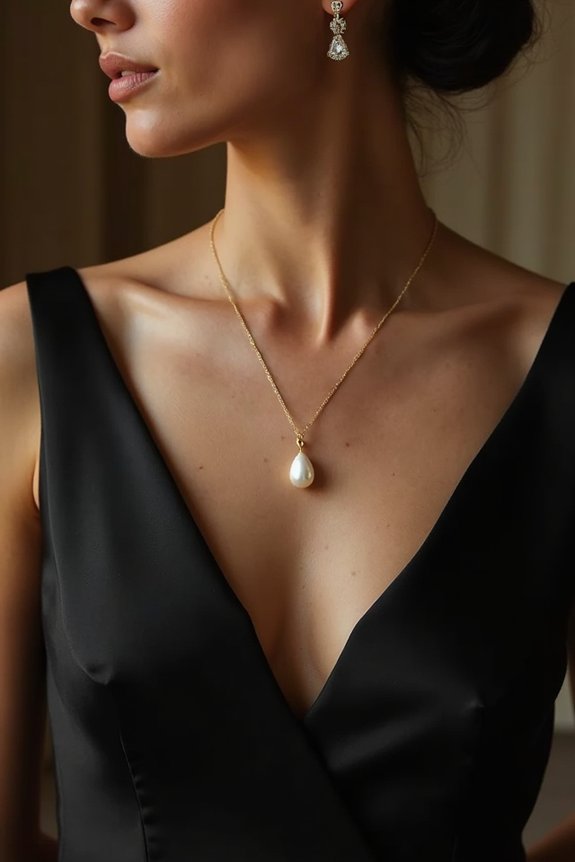
How do you know when you’ve got your accessories right? You shouldn’t notice them before the dress itself.
The mark of perfectly chosen accessories is their invisibility—your dress should always be the first thing people notice.
I’ve learned this lesson the hard way. When wearing a formal gown, I now choose one statement piece, such as chandelier earrings or a delicate bracelet, and skip the rest. This approach lets your dress command the room.
Consider your dress’s design features carefully. If it has beading or intricate back details, avoid accessories that compete. Instead, complement what’s already there.
Think proportionally. Bold dresses need understated pieces. Minimal, youthful touches beat heavy, oversized ones every time. A dainty watch paired with one striking earring represents proper balance.
Your accessories should align with the performance’s formality and your dress’s silhouette. When everything works together cohesively, you’ll feel confident and polished from head to toe.
Comfortable Shoes for a Three-Hour Performance
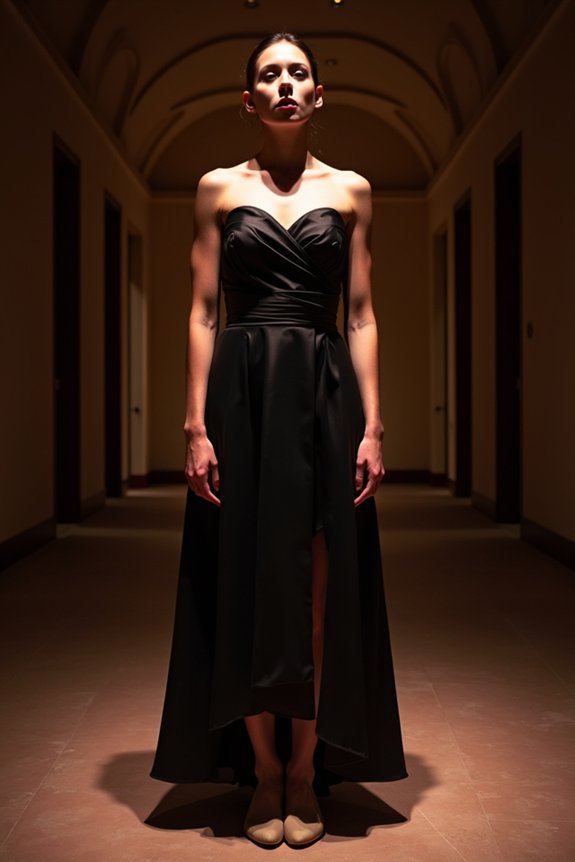
I’ve learned the hard way that you can’t just slip on your fanciest heels opening night and hope for the best. Breaking in your shoes beforehand is absolutely necessary. The heel height and arch support matter more than you’d think; I’m talking 2–3 inches with a cushioned footbed that actually supports your foot’s natural curve during those long middle acts. Here’s my advice: test your footwear during rehearsals or even casual outings so you know exactly how your feet will feel when the curtain rises.
Breaking In Before Opening Night
Three hours is a long time to sit in anything uncomfortable, and your feet will bear the brunt of poor shoe choices on opening night. I learned this the hard way, arriving blister-ridden and miserable. That’s why breaking in new shoes matters; it’s non-negotiable preparation.
My tested approach:
- Start wearing them casually at home for several days to let leather soften and materials mold to your feet
- Take short walks around your neighborhood to gauge comfort level and identify problem areas before performance day
- Wear them during errands or social outings to test real-world conditions and extended periods of standing
- Check for any rubbing, pinching, or pressure points that will worsen during the performance
Your future self will appreciate this simple investment.
Heel Height and Arch Support
What separates a magical evening from an uncomfortable endurance test? Your shoes.
I’ve learned that three hours demands serious arch support. Mid-height heels, think two to three inches, distribute pressure beautifully across your foot. Block heels work wonderfully too. They’re stable, stylish, and won’t betray you mid-aria.
Here’s what I prioritize:
| Feature | Why It Matters |
|---|---|
| Cushioned footbed | Absorbs impact during standing |
| Secure strap or back | Prevents slippage and instability |
| Almond or rounded toe | Reduces forefoot pinching |
| Arch support | Maintains comfort throughout |
| Gel inserts | Extra cushioning for longer wear |
Honestly? You don’t need sky-high heels to look elegant. A dressy flat paired with a supportive insole keeps you comfortable without sacrificing sophistication. That’s the real power move: showing up feeling fabulous, not limping through the finale.
Testing Footwear During Rehearsals
Now that you’ve found the right shoe style, you need to actually test it before opening night. I learned this lesson the hard way after blisters sidelined me mid-rehearsal. Here’s what I do now:
- Practice on the exact surfaces you’ll encounter: wood stages, carpeted areas, and stairs all demand different grip levels.
- Wear your shoes daily for at least two weeks to break them in properly and identify problem spots.
- Walk through your blocking and scene transitions to gauge comfort during extended standing and movement.
- Keep a backup pair handy because even perfect shoes sometimes betray you unexpectedly.
Testing matters because rehearsals reveal what your feet actually need. You’re building trust with your footwear so you’ll feel confident when the spotlight hits. That security changes everything.
Color and Fabric: Choosing What Feels Right
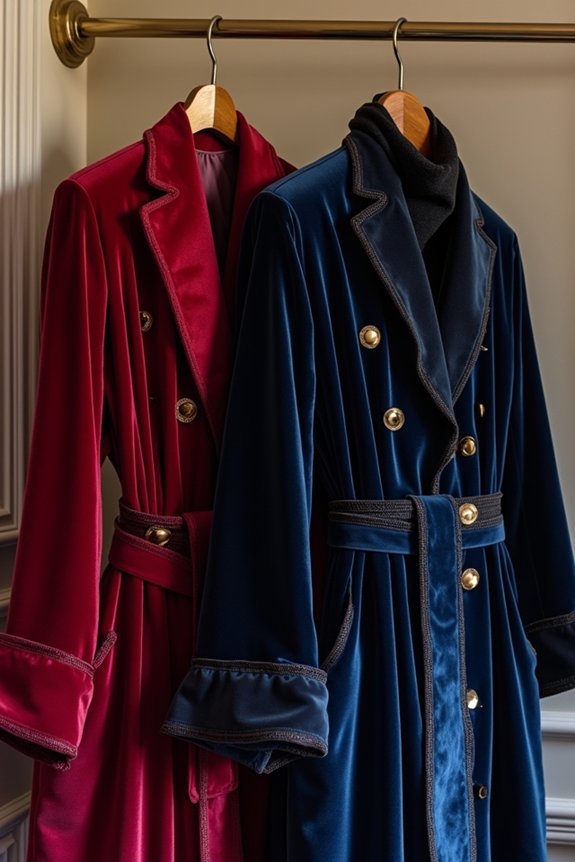
Discover your opera style through the colors and fabrics that make you feel confident and comfortable. Jewel tones like emerald, burgundy, and deep blue offer sophistication with forgiving qualities. Rich blacks provide that classic elegance worth considering.
Fabrics deserve careful attention. Velvet, silk, and satin deliver refined shimmer without demanding attention. Tulle introduces texture effectively. These materials feel luxurious against your skin, translating to genuine confidence when you settle into your seat.
Skip rigid rules. Wear what makes you feel like yourself, simply refined. You’ll belong at the opera not because you followed someone’s checklist, but because you arrived authentically dressed.
Building Your Second Night: A Complete Look
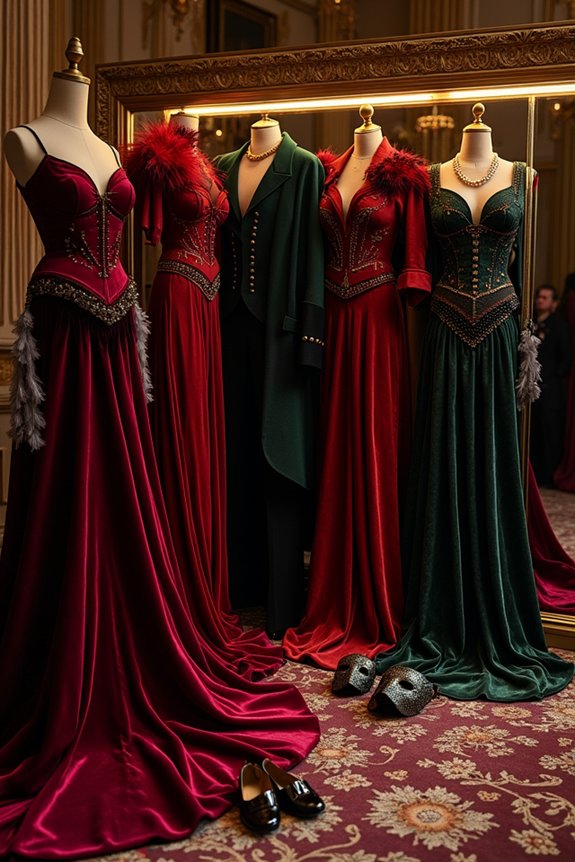
Why settle for repeating your first night when you can build something entirely different? I’d craft a second evening that showcases a fresh side of you while maintaining that opera elegance you’ve already mastered.
What I recommend:
- Rent a designer Monique Lhuillier dress featuring a crisscross back and beaded waistline for luxury without commitment
- Keep accessories minimal with statement earrings and a dainty watch that complement rather than compete
- Pair the dress with strappy heels from your existing wardrobe to maximize pieces you already own
- Emphasize your waist through an A-line silhouette that balances proportions and creates a youthful look
This approach lets you feel confident and polished. You’re not just attending opera; you’re arriving as someone who understands elegance and knows herself.
Common Opera Mistakes (and How to Avoid Them)
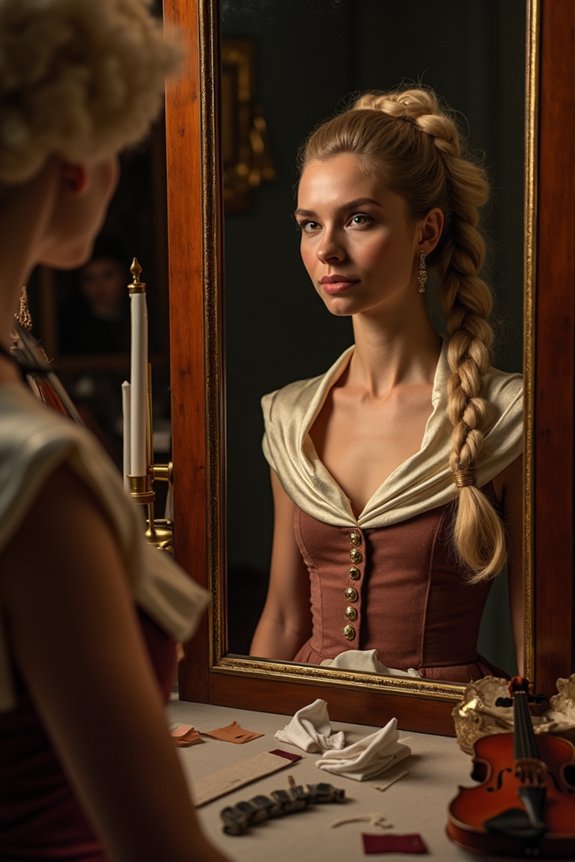
Most people overthink opera attire, and that’s where things fall apart. I’ve watched folks show up in full tuxedos for a casual matinee, then wear jeans to an evening performance. The real mistake? Not matching formality to the event itself.
Here’s what I’ve learned: avoid being overly casual, but don’t swing to the opposite extreme either. Aim for “suggested opera attire” that feels authentically you. That means skipping the over-accessorizing trap. One statement necklace beats five competing pieces every time.
Consider this approach: rent designer pieces for nights when you want that polished look without the investment. You’ll feel confident and elegant. Remember, opera’s about connection—to the music, to the community, to yourself. Dress like you belong there, because you do.
Confidence and Personal Style Over Perfection
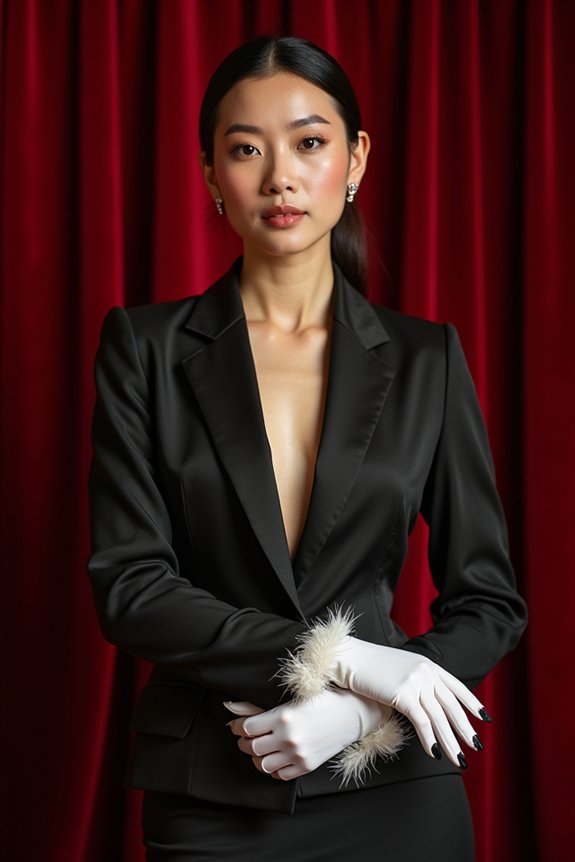
The moment you stop worrying about wearing exactly what you think opera demands, you’ll actually enjoy yourself. I’ve learned that authenticity beats perfection every single time. You’re joining a community that celebrates individual expression, not rigid conformity.
What matters most:
- Wear pieces that make you feel confident and comfortable in your own skin
- Mix formal and casual elements; denim with elegant tops works beautifully for certain nights
- Choose one statement piece, then keep accessories minimal and deliberate
- Pay attention to what honors both the occasion and yourself
Your personal style is your superpower at the opera. That silk scarf you love? The jacket that fits perfectly? Wear them. You’ll feel grounded and present, which is exactly what makes an evening into something memorable. Belonging happens when you show up as yourself.
Your Opera Outfit Checklist
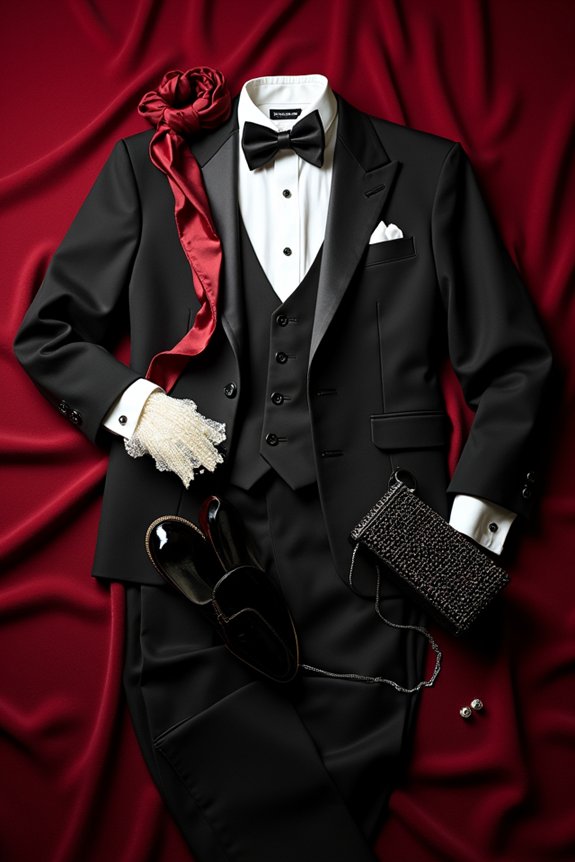
I’ve learned that nailing your opera look starts with three key moves: picking essential dress pieces that make you feel confident, layering strategically so you’re comfortable through a three-hour performance, and selecting accessories that tie everything together without overwhelming your outfit. You don’t need expensive designer pieces. I’ve pulled together polished looks by mixing one statement item with basics from my existing closet, then adding earrings or heels that actually work with what I already own. Think of your outfit like building blocks: start with a solid foundation, add texture and warmth through layers, then finish with accessories that reflect your personal style.
Essential Dress Components
So what actually goes into an opera outfit? You don’t need rigid rules, just thoughtful choices that make you feel confident and comfortable for the evening ahead.
Consider these elements:
- A polished top or blouse that reflects your personal style, whether that’s elegant or understated
- Well-fitted bottoms in neutral tones that transition smoothly from day to evening
- Comfortable footwear because you’ll be standing, walking, and sitting for hours
- A light layer or wrap since theater temperatures vary unpredictably
Start by asking yourself: What will keep me feeling like myself? That’s the foundation. You’re not trying to impress anyone. You’re preparing for an experience that deserves your presence and comfort.
Layering For Comfort
Once you’ve got your base outfit sorted, layering is your practical tool for staying comfortable without looking like you’re dressed for a ski trip.
Start with a lightweight inner layer; silk or fine cotton works beautifully. Add a tailored cardigan or waist-length jacket for temperature control. These mid-layers preserve your polished silhouette while adapting to unpredictable venue climates. Finally, choose an elegant outer layer: a sleek wrap, cape, or short coat that complements rather than overwhelms your dress.
The best part? Each piece removes easily when you’re settled in your seat. Investing in versatile pieces lets you remix looks across multiple opera nights affordably. You’ll feel refined, comfortable, and like you belong among seasoned opera-goers.
Accessory Selection Strategy
How do you know when your accessories are right? You’ll feel it when everything complements rather than competes.
I’ve learned that less truly is more at the opera. Here’s my strategic approach:
- Choose one bold statement piece (a striking earring or elegant watch) to anchor your look
- Match your metal tones across all accessories for a cohesive, polished appearance
- Consider renting high-end pieces for multi-night events to maximize style without the expense
- Select understated jewelry for backless or high-neck gowns to maintain sophistication
When you’re wearing a glamorous dress, let it be your star. Your accessories should support, not steal the spotlight. I’ve found that coordinating gold, silver, or rose tones throughout creates that seamless elegance worth pursuing. You’re not just attending the opera; you’re joining an experience where thoughtful style matters.
Frequently Asked Questions About Opera Attire
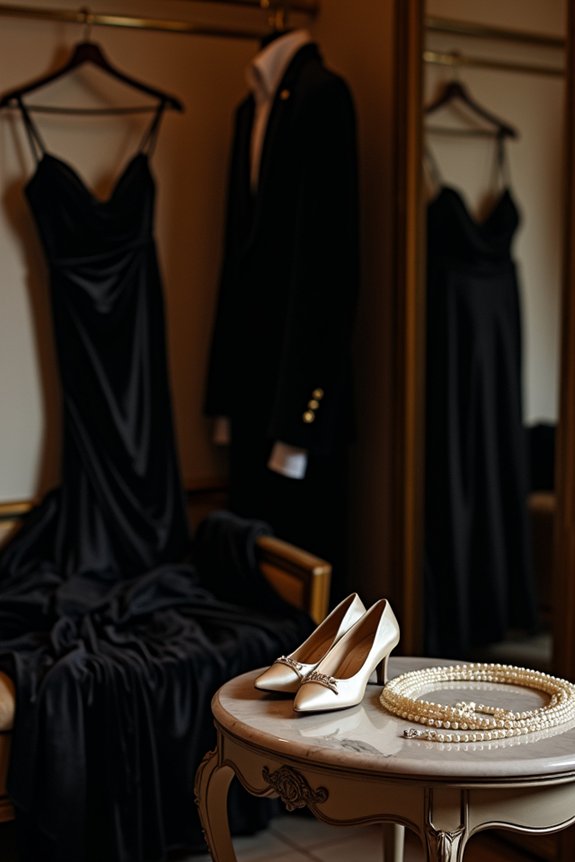
When you’re planning your opera night, questions naturally bubble up: What if I show up underdressed?
Honestly? You won’t. Opera welcomes everyone from denim to gowns, so there’s real freedom here. I’ve seen jeans paired with blazers work beautifully, and nobody judged.
Here’s what I’ve learned: context matters most. A four-night Ring Cycle calls for varying formality levels throughout, so plan accordingly. Washington, D.C. venues skew fancier, but wide variation exists everywhere.
The real question isn’t “Am I dressed right?” It’s “Am I comfortable?” When you feel good in what you’re wearing, that confidence shows. That’s your actual dress code.
Renting designer pieces for multiple performances works brilliantly if you want elegance without commitment. Personal comfort plus occasion awareness equals appropriate opera attire. Trust yourself.