Dressing well isn’t about age; it’s about fit, quality, and intentional choices. Start by auditing your closet and removing items that don’t fit your current body. Find a skilled tailor who becomes your partner in looking sharp.
Build a capsule wardrobe around dark jeans, crisp shirts, and a navy blazer that carry most of your outfits. Master layering with earth tones and varied textures. Skip trends entirely. When you nail these fundamentals, you’ll project quiet confidence that lasts decades, not seasons.
There’s plenty more strategy ahead.
Start With a Wardrobe Audit: Remove What Doesn’t Serve You

Why do we hold onto clothes that don’t fit, don’t flatter, and don’t reflect who we are today? I’ve been there, hanging onto pieces from yesterday and hoping they’d fit again someday.
Why hold onto clothes that don’t fit, don’t flatter, and don’t reflect who you are today?
Here’s what I’ve learned: a proper wardrobe audit means getting honest. Pull everything out and ask yourself three questions. Does it fit my body now? Does it match my current style? Is it quality enough to keep?
Set aside the too-big shirts, the trendy pieces you’ve outgrown, anything with holes or stains. This clearing creates space for pieces that actually work together.
Proper fit matters most. Clothes that actually fit your frame today build confidence and polish. That’s the foundation of dressing well.
Master Fit Through Tailoring and Proper Measurements
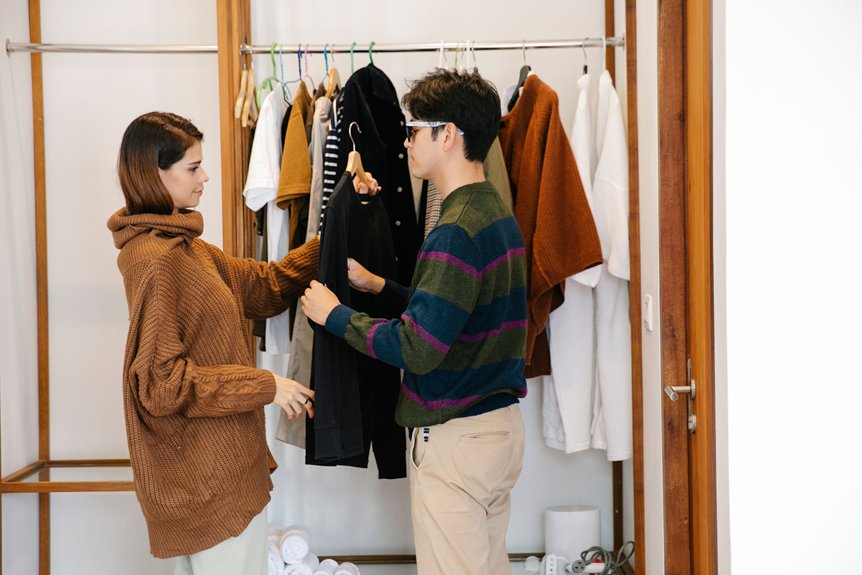
I’ve learned that finding a skilled tailor is one of the best investments you’ll make in looking put-together, because even the finest pieces won’t serve you well if they don’t fit your frame properly. You’ll want to build a genuine relationship with them: someone who understands your body, listens to what you’re trying to achieve, and knows how to adjust sleeve lengths, pant breaks, and blazer contours so everything drapes with intention and refinement. Once you’ve got those core pieces tailored to your measurements, you’ll notice the difference immediately. Cleaner lines, better comfort, and that quiet confidence that comes from knowing you look intentional rather than like you just grabbed something off a rack will follow.
Build Your Tailor Relationship
Unless you’ve got a body that fits perfectly into every rack at the department store (and honestly, almost nobody does), you’ll need a tailor. Think of them as your wardrobe’s clinician. I’ve built my wardrobe by treating mine like a trusted partner, visiting regularly and communicating clearly about what I want.
Your tailor becomes invested in your fit when you’re consistent. They’ll remember your preferences: how you like sleeves hitting your wrist, where you want shirt shoulders sitting, the right rise for your pants. This relationship takes off-the-rack pieces and shapes them into garments that flatter your body specifically.
Start by getting referrals. Ask well-dressed friends who they trust. Once you find someone, bring them your favorite fitting piece as a reference. That’s how you build the foundation for a tailor relationship that keeps your wardrobe sharp.
Perfect Your Core Pieces
Your body’s shape, not the size on a tag, determines whether clothes actually work for you. I learned this the hard way after years of buying expensive pieces that never quite looked right.
Here’s what changed everything: tailoring your classic pieces transforms them from good to exceptional. Start with three essentials: a crisp dress shirt, well-fitted jeans, and a structured blazer. Get the shirt sleeves hitting your wrist bone precisely. Have your jeans tapered so they break naturally at your shoe. Adjust blazer shoulders and length for clean lines that complement your frame.
This isn’t vanity; it’s smart dressing. When fit works, you feel it immediately. You move confidently. People notice the polish, not the clothes themselves. That’s the goal: looking naturally put-together, like you’ve figured something out.
Build a Timeless Capsule Wardrobe Around Staples
How do you cut through the noise of endless shopping choices and actually build a wardrobe that works? Start with a capsule wardrobe of timeless pieces that do the heavy lifting for you. These versatile basics become your foundation: dark jeans, neutral chinos, crisp white shirts, and solid tees in navy and gray. When I stopped chasing trends, I discovered something worth noting. These foundational pieces mix effortlessly. Your navy blazer works with everything. Earth-tone sweaters coordinate with neutral pants. You’re not reinventing outfits daily; you’re simply combining what already works together.
Quality matters here. One well-made shirt beats five cheap ones. This approach isn’t boring. It’s freedom. You’ll dress sharper while spending less time deciding what to wear.
Skip These Style Mistakes That Read as Trying Too Hard

Why do so many guys sabotage their own appearance without realizing it? I’ve watched plenty of men undermine their mature look by chasing mistakes that scream “trying too hard.” Let me share what I’ve learned works and what doesn’t.
Most men unknowingly sabotage their appearance by chasing trends that scream trying too hard instead of timeless maturity.
Here’s what to avoid:
- Ditch graphic tees and fast fashion. These signal immaturity instantly. Invest in solid staples instead; quality basics that age well and never look desperate.
- Get serious about fits and tailoring. Ill-fitting clothes make you look sloppy, especially untucked shirts that exaggerate your midsection. Proper tailoring changes your entire presence.
- Skip oversized logos and billboard branding. Understated branding separates mature dressers from everyone else. Your clothes should whisper refinement, not shout for attention.
The takeaway: Consistency and subtlety beat trends every single time. That’s what lasts.
Master Layering for Season and Silhouette
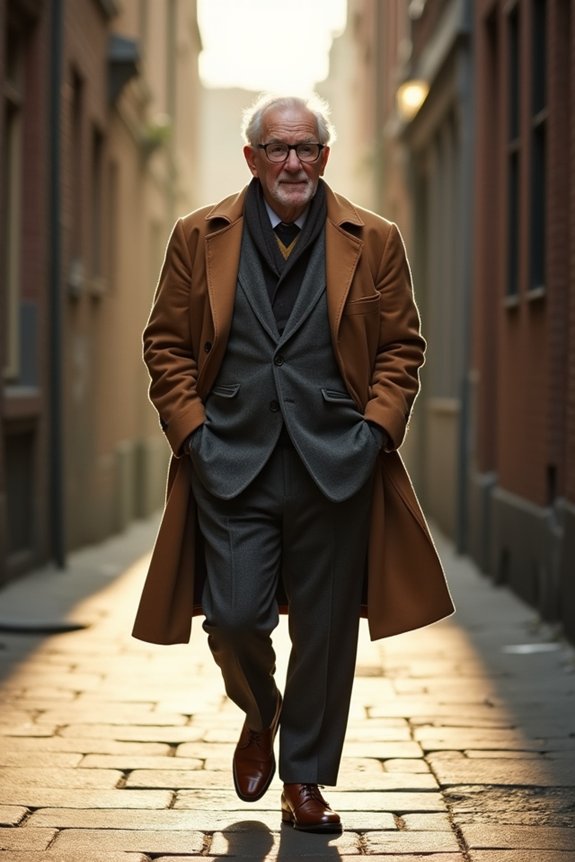
Mastering layering requires strategic choices rather than randomly piling on clothes. This approach serves both comfort and style by controlling temperature shifts throughout your day while building visual depth that makes an outfit feel intentional and polished.
Start with a breathable base layer. Add mid-weight pieces like cardigans or knits for texture and warmth. Finish with a structured outer layer that keeps your silhouette clean and your look put-together.
The foundation matters most. A fitted base prevents bulk and allows subsequent layers to sit properly against your body. Mid-weight pieces should complement rather than compete with your base; choose neutral tones or subtle patterns that coordinate across your layering system.
Your outer layer serves as the visual anchor. A well-fitted jacket, blazer, or coat defines your silhouette and gives your outfit a refined edge. The structure prevents the layered pieces underneath from creating shapeless bulk.
Color coordination ties your layers together. Monochromatic schemes create visual continuity and elongate your frame. Contrasting colors work when one tone dominates; use secondary colors in smaller doses through accessories or the innermost layer.
Proportion becomes critical when layering. If your base is fitted, your mid-layer can have more volume. If your outer layer is oversized, keep your base and mid-layers more streamlined. Balance prevents your outfit from looking haphazard.
Texture variation adds sophistication. Pair smooth fabrics with knits, or matte materials with subtle sheen. Textural contrast catches light and creates visual interest without relying on bold patterns.
This approach works across seasons. In winter, layer heavier knits and insulated jackets. In spring or fall, swap in lighter cardigans and denim jackets. Summer layering uses sheer or linen pieces for breathability while maintaining the same structural principles.
Layering For Temperature Control
When it comes to staying comfortable across seasons, layering isn’t just about throwing on extra clothes. It’s the cornerstone of looking polished while maintaining your body temperature. Strategic layering keeps you warm without sacrificing that sharp, refined appearance.
Here’s what works:
- Lightweight mid-layers like cardigans and vests let you adjust instantly when you move between environments
- Classic outerwear (trench coats or wool overcoats) traps heat efficiently without adding bulk or appearing heavy
- Scarves serve double duty as practical insulators and styled accents that tie your look together
The key is progressing colors and fabrics thoughtfully from base to outer layer. Below 40°F, this approach keeps you warm. You’ll notice you’re more comfortable, more confident, and looking exactly like the man you’re becoming.
Building Visual Depth Strategically
Now that you’ve mastered the basics of layering for warmth, it’s time to think bigger about how each piece you add shapes your overall presence. Layering serves a functional purpose, but it also provides significant visual advantage for creating depth. Start with earth tones as your foundation: warm browns, soft grays, and muted greens. Then introduce varied textures. A cotton shirt, wool cardigan, and linen vest create dimension without chaos. Each layer should tell a story, working together cohesively.
Here’s my approach: I pair fitted pieces that complement each other, keeping clean lines intact. A classic trench coat over tailored layers elevates your entire silhouette. The key is allowing each element to stand out while maintaining cohesion. You’re not just dressing warmer; you’re building intentional sophistication that feels gracefully refined.
Perfect the Details: Grooming, Accessories, and Subtle Fragrance
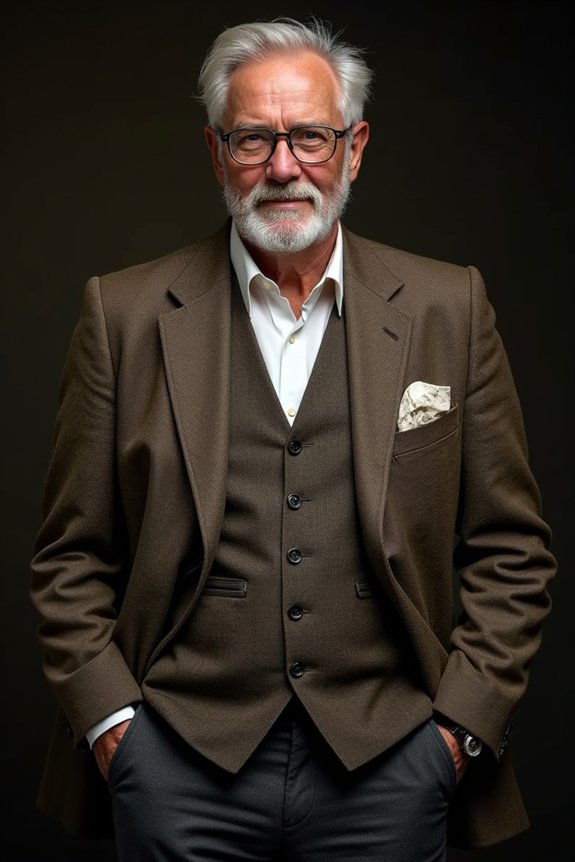
Because clothes alone won’t seal the deal, you’ve got to nail the details; the stuff that separates a guy who’s trying from one who’s actually arrived.
I’m talking about the grooming foundations that let your outfit do its job:
- Facial hair and nails: Keep your beard trimmed, your nails clean, and your cuticles maintained. These small touches signal you respect yourself and your appearance.
- Accessories with restraint: A quality watch, coordinated belt, and thoughtful scarf add refinement without screaming for attention. Less is always more here.
- Subtle fragrance: Pleasant, appropriate scent enhances your presence without overwhelming the room. You want people noticing you, not your cologne.
Hair should stay neat and timeless. Trim nose and ear hair regularly; nobody notices good grooming, but everyone notices when it’s missing. Master these details, and suddenly your wardrobe clicks into place.
Find Your Measurements: The Foundation of Good Fit

Your measurements are everything.
I started tracking my chest, waist, shoulder width, and sleeve length. This simple act changed everything. You need these numbers written down. Keep them in your phone.
Off-the-rack pieces rarely fit perfectly, so I embraced tailoring. A tailor transforms an okay shirt into something sharp. They adjust sleeves, taper fit, and refine your silhouette.
Your body changes. I remeasure every few months now. Post-workout gains, aging shifts; they all matter.
Once you know your fit, you’re speaking the language of quality dressing. You’ll spot good tailoring instantly. You’ll know exactly what alterations you need.
That confidence? It’s worth every measurement.