

Chicago’s weather swings demand a three-layer strategy, not a single heavy coat. Start with moisture-wicking base layers like Merino wool or polyester; cotton traps dampness and wind chill. Layer fleece or a light puffer on top for insulation, then seal it with a windproof, waterproof shell jacket. Pack five portable accessories: compact hat, thin gloves, packable windbreaker, versatile scarf, and umbrella. This system lets you adjust instantly as temperatures shift throughout your day, keeping you comfortable whether you’re battling lakefront gusts or moving between heated indoor spaces. The specifics of each layer and seasonal applications matter more than you might think.
Know Chicago’s Seasonal Weather Patterns Before You Pack
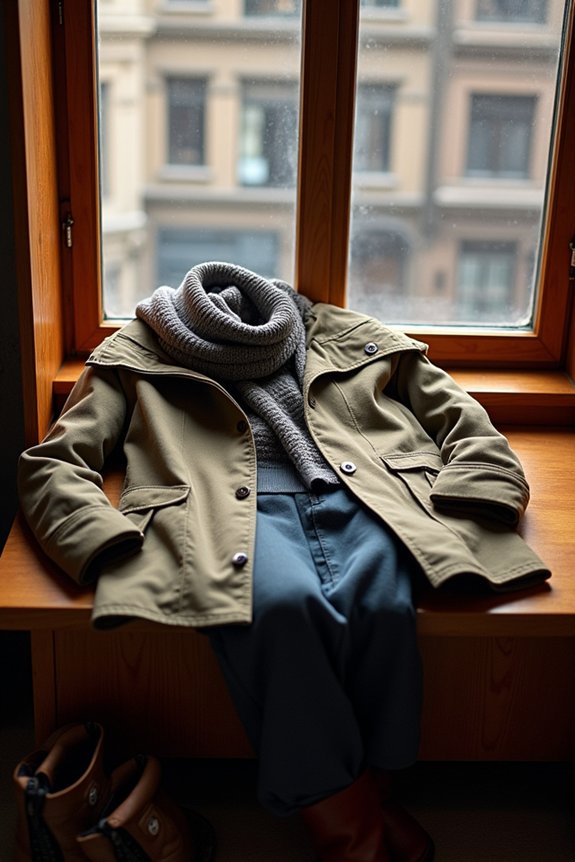
Why does Chicago’s weather feel so unpredictable? The city’s seasonal weather patterns shift dramatically across just a few months, which means you’ll need strategic planning before packing your bags. Winter averages in the mid-30s with heavy snow, while summer climbs into the mid-to-high 80s. Spring swings wildly between 30°F and 70°F day-to-day, and fall gradually cools from the 70s through the 50s.
Layering becomes your best friend year-round. The lake generates fierce winds, and urban wind tunnels amplify cold significantly, making windproof outerwear non-negotiable. Understanding these average temperatures across seasons helps you pack smarter, not heavier. You’ll fit right in with locals who embrace this weather reality rather than fight it.
Layer Your Clothes in Three Easy Steps
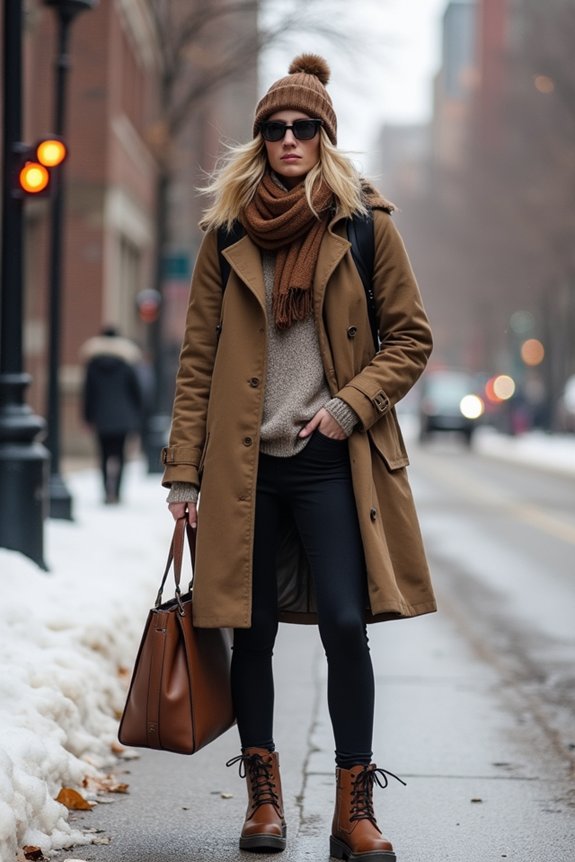
Chicago’s unpredictable weather requires a strategic three-layer approach. Start with moisture-wicking fabrics against your skin to manage sweat. Add an insulating middle layer like fleece to trap warmth. Top it off with a windproof, waterproof shell to shield you from lake-effect gusts and sudden rain. This system lets you adjust on the fly: peel off layers when you step inside a heated building or add them back when you head outdoors into that notorious Chicago wind chill. Mastering these three layers takes you from someone constantly uncomfortable to someone prepared for whatever the city throws at you.
Base Layer Moisture Control
The foundation of staying comfortable in Chicago’s unpredictable weather isn’t fancy outerwear; it’s what touches your skin. Your base layer matters most. You’ll want moisture-wicking fabrics like polyester or Merino wool that pull sweat away from your body instead of trapping it like cotton does. Cotton chills you fast on windy, damp days.
Here’s what works: pair your moisture-wicking base with a mid-weight fleece for solid insulation without overheating. For extreme cold or active outdoor time, choose base layers with advanced moisture management technology. This combination handles Chicago’s temperature swings effectively. Your skin stays dry, your core stays warm, and you’ll be comfortable moving between heated buildings and frozen streets. That’s what matters.
Middle Layer Insulation Strategy
How do you stay warm without feeling like a stuffed sausage when you’re moving between a frozen train platform and a toasty office?
Your mid-layer is essential here. I’ve learned that a snug-fitting fleece works well for Chicago winters. It traps warmth while letting moisture escape, so you’re comfortable whether you’re walking downtown or sitting in heated spaces.
The key is choosing a mid-weight insulation layer that breathes. Wind chill near Lake Michigan demands something fitted underneath your windproof shell; think of it as your personal armor against gusts. This layering strategy keeps your core warm without overheating during transit.
I pair my base layer with fleece, then add my outer shell. Three pieces provide endless flexibility. You’ll adjust quickly as temperatures swing from the 30s outside to indoor warmth, staying cozy and in control.
Outer Layer Wind Protection
When you’re walking down Michigan Avenue and the wind hits you like a physical force, you’ll understand why your outer layer matters. A quality windproof jacket isn’t optional; it’s essential armor against Chicago’s notorious gusts.
Your outer layer should be waterproof or windproof, ideally both, creating a sealed barrier against wind-driven rain and snow. Look for features like adjustable cuffs and hoods that seal in warmth effectively. These details prove their worth when you’re battling downtown wind tunnels.
Choose mid-weight to heavy coats you can open indoors without feeling trapped. This flexibility keeps you comfortable in both environments. The right wind protection makes winter manageable, letting you stay out longer and enjoy your city.
Choose Your Base Layer (Breathable Fabrics That Wick Moisture)
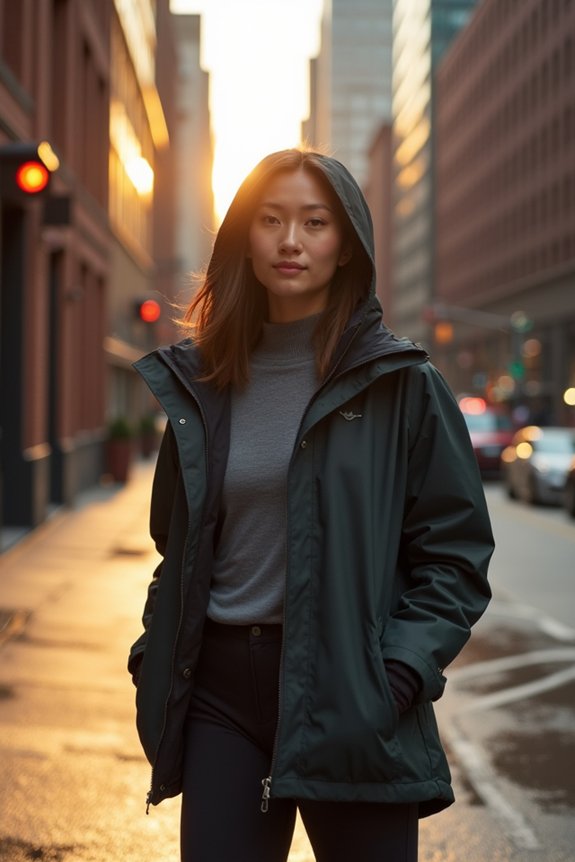
Why does your base layer matter more than you’d think? It’s the foundation of your entire layering system, and it directly impacts your comfort in Chicago’s unpredictable weather.
Your base layer is your first line of defense. I recommend moisture-wicking fabrics like polyester and Merino wool blends because they pull sweat away from your skin, keeping you dry during walking tours or windy conditions. These breathable fabrics also regulate temperature, preventing that damp chill that will ruin your day.
Start with a lightweight, moisture-management base layer you can wear year-round beneath mid-layers. When you transition between outdoor activities and indoor spaces, you’ll stay comfortable; not overheated and not shivering. That’s when you know you’ve nailed it.
Add a Mid-Layer for Extra Warmth (Sweaters, Fleece, Light Jackets)
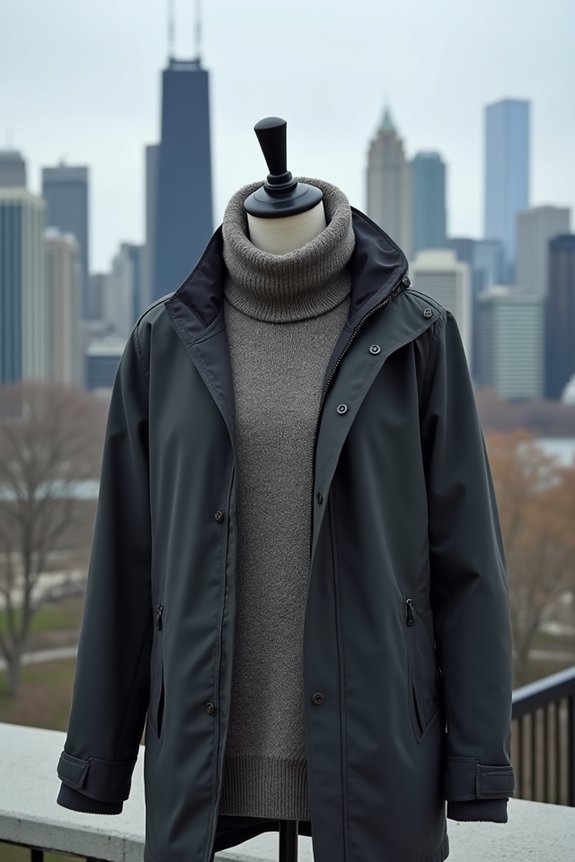
Once you’ve got your moisture-wicking base layer sorted, it’s time to add the real insulation: your mid-layer. I’m talking fleece, lightweight sweaters, or knit jackets that bridge the gap between your base and outerwear. Here’s why they matter. Chicago’s weather shifts constantly, and you need versatility. A breathable mid-layer prevents overheating during city walks while trapping warmth when temperatures drop. When you’re moving between heated buildings and Lake Michigan’s brutal gusts, this layering strategy keeps your core temperature stable. Choose something compressible; you’ll appreciate fitting it under your coat. Pairing your mid-layer with a waterproof, windproof shell handles those tricky 40s-to-60s days effectively. That’s practical dressing for Chicago.
Choose Wind- and Water-Resistant Outer Layers
Now here’s where your layering strategy truly pays off: you need to armor yourself against Chicago’s notorious wind and moisture. Choose windproof outerwear with fabrics like Gore-Tex that shield you from brutal lakefront gusts and downtown wind tunnels. Your outer jacket should work overtime, repelling water while managing those wild temperature swings when you dash between heated buildings and freezing streets.
Look for adjustable cuffs, hoods, and multiple pockets. These details matter because they protect your extremities and keep essentials dry during slushy conditions. The key benefit: selecting a lightweight windproof shell that layers easily over your mid-layer but compresses small enough to stow indoors. This flexibility means you’re prepared for whatever Chicago throws at you without feeling weighted down.
Pick Shoes Built for Chicago Streets
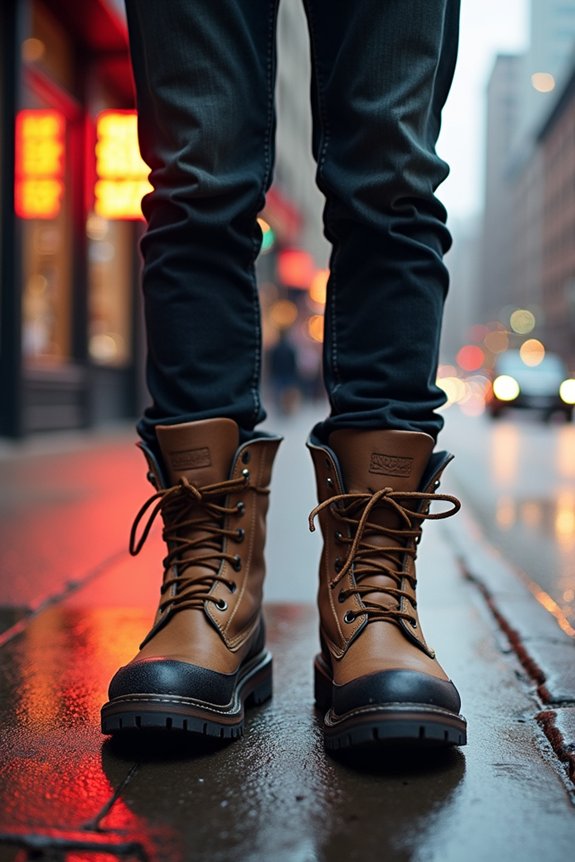
Your feet are your foundation in Chicago, and they’ll betray you fast if you don’t protect them properly. I’ve learned this the hard way navigating our brutal winters, and I’m here to save you that pain.
You need boots that’ll keep you upright and dry on slushy streets. Here’s what separates survivors from sufferers:
- Waterproof construction that blocks snow and salt spray
- Strong traction patterns preventing slips on ice
- Insulated linings fighting lake-effect wind chill
- Ankle coverage shielding against wind and moisture
Skip trendy footwear that looks good but fails you. Invest in closed-toe boots with thermal protection and thicker soles. Pair them with breathable, moisture-wicking socks to stay comfortable all day. Your winter commute becomes manageable when your feet stay warm, dry, and stable. That’s the Chicago way.
Pack These 5 Portable Accessories for On-the-Go Changes
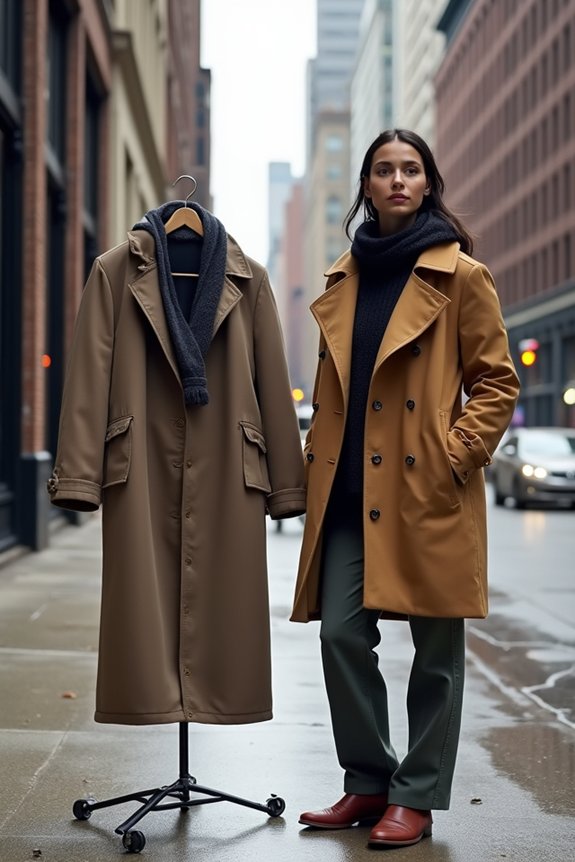
I’ve learned that Chicago’s weather shifts faster than you’d expect, so I keep five lightweight pieces in my bag to stay comfortable throughout the day. A compact hat, gloves, and versatile scarf give me instant protection against Lake Michigan’s unpredictable wind, while a packable canopy and wind-resistant shell handle sudden temperature swings without weighing me down. When you’ve got these essentials on hand, you’re not scrambling to adjust; you’re ready for whatever Chicago throws at you.
Compact Layers for Versatility
How do you stay comfortable when Chicago’s weather shifts three times before lunch? I’ve learned that compact layers beat bulky coats every time. You’re not alone in struggling with this. Most of us forget how quickly conditions change.
What works in my day:
- A lightweight beanie that stuffs into my pocket, protecting against sudden wind chill
- Thin gloves I remove indoors without juggling fabric
- A packable shell that layers well over my base outfit
- A small umbrella for unexpected Chicago weather swings
These essentials stay in my day bag permanently. The benefit? I adjust without rewearing the same layers. Wind, rain, temperature drops. I handle them all. This approach keeps me looking intentional, feeling confident, and staying dry. You’ll find yourself moving through the city with ease, ready for whatever comes next.
Wind-Resistant Gear Essentials
Layers handle temperature swings, but Chicago’s wind demands its own strategy. A compact windbreaker stays your best friend here. Toss a packable one in your bag; it weighs almost nothing and saves you when gusts hit downtown corridors. A windproof scarf works double duty by protecting your neck and tucking away easily. For your hands, glove liners trap warmth without bulk, letting you stay nimble while outside. Your hat matters too. Choose one with an adjustable strap or clip so it won’t vanish into Lake Michigan. Pair these accessories with wind-resistant mid-layers like fleece under a waterproof shell, and you’ll be well-prepared. You’ll move confidently between outdoors and indoors, never caught off-guard by Chicago’s unpredictable gusts.
Quick-Access Weather Adjustments
What separates Chicago survivors from shivering tourists? Strategic packing tips that let you adapt instantly to our wild temperature shifts.
I’ve learned that carrying five portable accessories fundamentally changes how you handle Chicago’s unpredictable weather. Your layer strategy matters less than accessibility. Here’s what I always pack:
- Compact umbrella for sudden spring showers
- Windproof hat or beanie for lake-effect gusts
- Thin glove liners under heavier gloves when needed
- Rollable windproof scarf fitting any bag pocket
These items weigh almost nothing but solve everything. A packable thermal layer underneath handles indoor air conditioning shock, while a lightweight rain jacket compresses to fist-size. When temperatures shift mid-day, and they will, you’re already equipped. That’s belonging here: staying comfortable while others complain about the wind.
Navigate Indoor Heat and Outdoor Cold
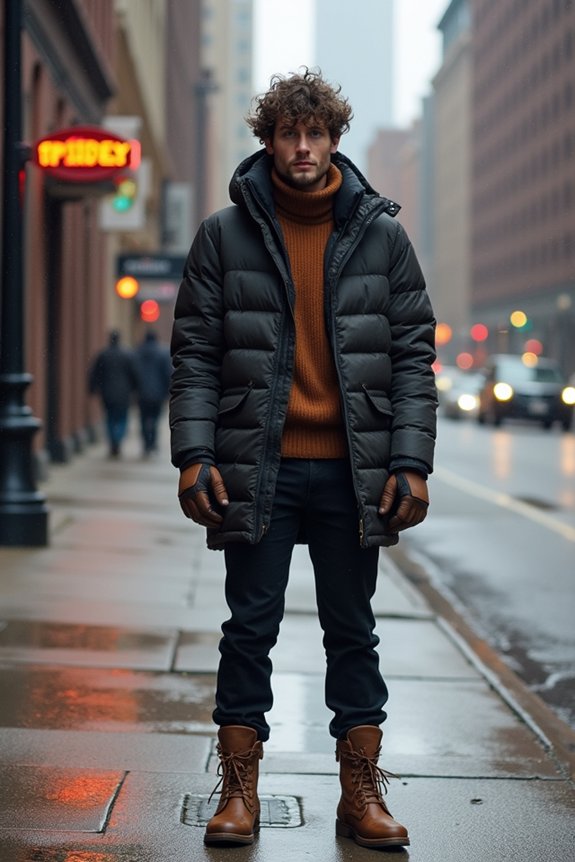
Why do Chicago buildings feel so different from the street outside? That temperature shock you’re experiencing is real, and I’ve learned to manage it through smart layering and strategic adjustments.
| Layer | Purpose | Example |
|---|---|---|
| Base | Moisture control | Moisture-wicking undershirt |
| Middle | Insulation | Compact fleece or light puffer |
| Outer | Wind protection | Windproof shell jacket |
Start with a moisture-wicking base that keeps sweat away from your skin. Add an insulating middle layer you can remove indoors. Your windproof outer layer handles Lake Michigan’s brutal gusts and rapid indoor-outdoor transitions.
Here’s what I do: I wear my shell jacket into air-conditioned spaces, then peel it off once inside. Before heading back outside, I layer up immediately. This prevents that jarring temperature swing that throws your body off-balance. You’ll feel comfortable navigating Chicago’s contrasting environments.
Build Your Chicago Capsule Wardrobe With Core Neutrals
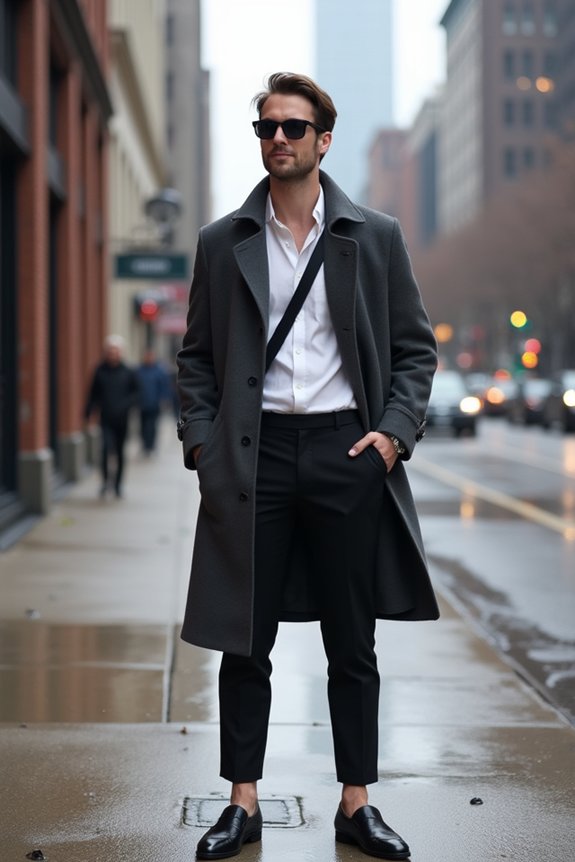
Once you’ve mastered the layering game, you’re ready to build a foundation that’ll carry you through every Chicago season. Core neutrals (black, gray, and navy) provide the versatility you need for outfits that work year-round.
Here’s what to prioritize:
- Black and gray walking shoes with solid traction for winter sidewalks and spring exploration
- Neutral tops in tees, turtlenecks, and lightweight sweaters that pair seamlessly together
- A mid-weight coat and windproof outer layer for Chicago weather’s unpredictable swings
- Scarves, hats, and bags in neutrals that accept seasonal color pops easily
This capsule wardrobe approach means you’ll spend less time deciding what to wear and more time experiencing the city. When your basics work together, layering becomes intuitive, and you’ll feel confident navigating both indoor heat and outdoor cold.
Apply These Outfits to Each Season and Month
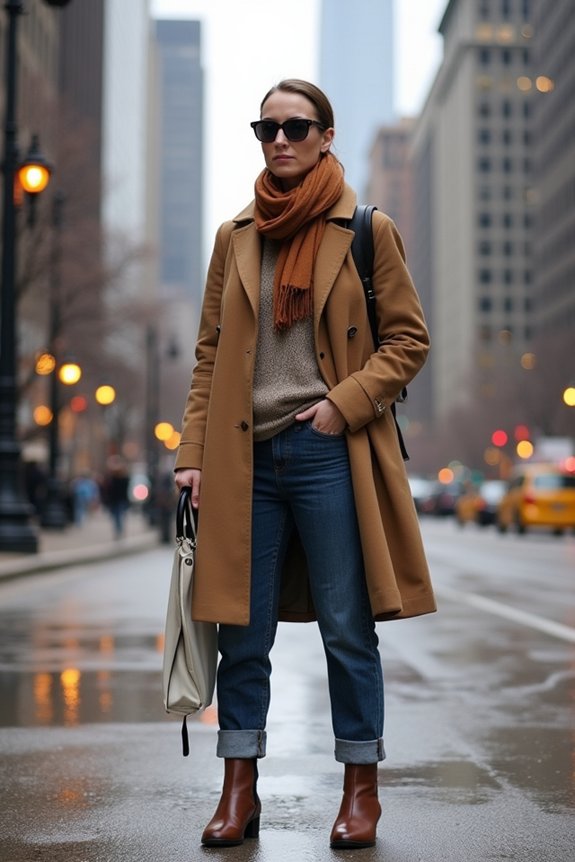
Now that you’ve got your neutral foundation locked in, it’s time to dress it for the specific demands of each Chicago season. Here’s what I’ve learned living here:
Winter demands layering with mid-weight coats and thermal accessories for those brutal 20°F to 40°F days. Fall offers your best conditions; lightweight sweaters transition beautifully from September’s 70s through November’s 50s. Spring requires waterproof outerwear and closed-toe shoes because wet conditions hit hard around 30 to 70°F. Summer is straightforward: breathable fabrics, sun protection, and sandals handle the 60s to 80s humidity.
Across all months, seasonal packing means carrying versatile outer layers for rapid indoor-outdoor temperature swings. One quality jacket works year-round when you layer strategically. This approach keeps you comfortable, confident, and looking sharp no matter what Chicago throws your way.