
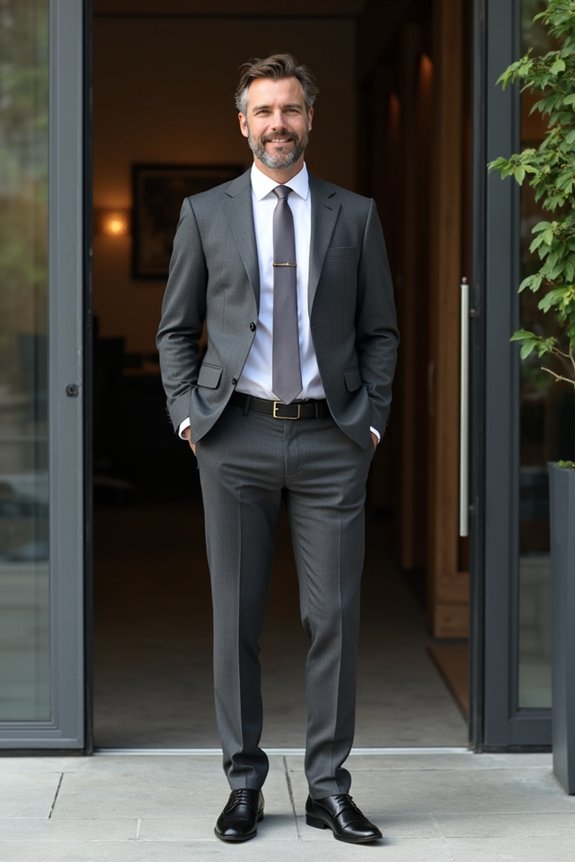
Wear a tailored suit in navy or charcoal with a crisp white shirt and polished black shoes. The fit matters more than the price tag; proper shoulders and sleeve length signal intentionality before you speak. Coordinate your belt with your shoes, keep accessories minimal, and press everything the night before. Your appearance communicates credibility instantly, so eliminate wrinkles and distractions.
The specific details about each dress code level? That’s where your real advantage lies.
Assess Company Culture: Dress Code Signals to Look For
How’s the office dressed where you’re interviewing? Observing the dress code signals tells you everything about company culture. Walk in early, scope out the employees, and notice what they’re wearing.
In formal sectors like banking or law, you’ll see suits everywhere. That’s your cue to match that formality. Creative startups? You’ll spot casual shirts and polos, so elevate that style slightly with neat, polished pieces.
Here’s my approach: copy what you observe, then add one notch of sophistication. This strategy accomplishes two things simultaneously. First, you demonstrate respect for their environment. Second, you show you’re someone who thinks strategically about presentation.
A wrinkle-free, well-fitting outfit isn’t just clothing. It’s confidence. It’s professionalism. It’s belonging.
Formal Interviews: The Complete Suit Strategy
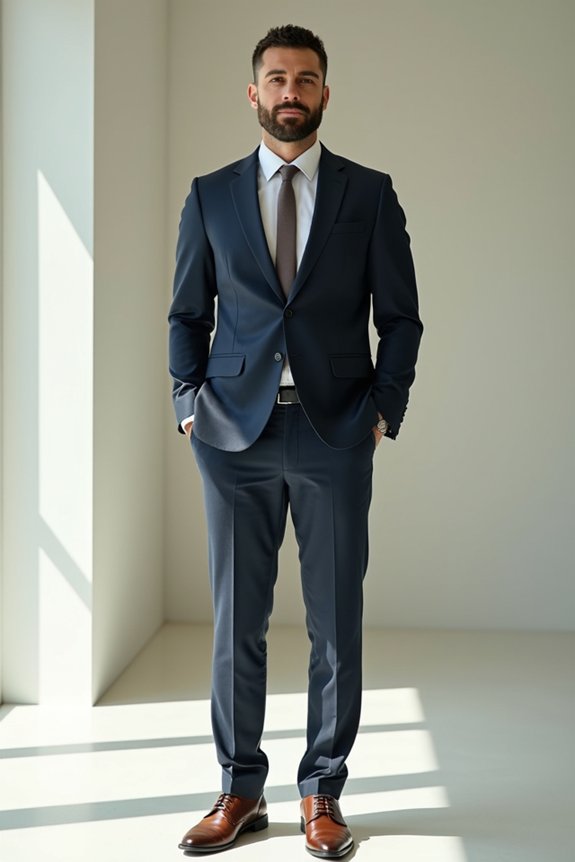
When you’re walking into a formal interview, you’re not just showing up; you’re making a statement before you even shake hands. A tailored suit in navy, black, or charcoal paired with a crisp white shirt creates a solid foundation. Your polished dress shoes should match your belt without exception. This coordination signals that you’ve thought things through.
Press everything the night before. Wrinkles undermine credibility quickly. Keep accessories minimal: a simple watch, matching belt, and subtle cufflinks if appropriate. Skip flashy jewelry entirely.
A conservative necktie with a neat knot works best unless your role permits going without one. Trim your facial hair or go clean-shaven. Get a fresh haircut beforehand.
This complete strategy converts nerves into readiness, helping you feel prepared for the room ahead.
Classic Corporate Look: White Shirt, Navy Trousers, Oxfords
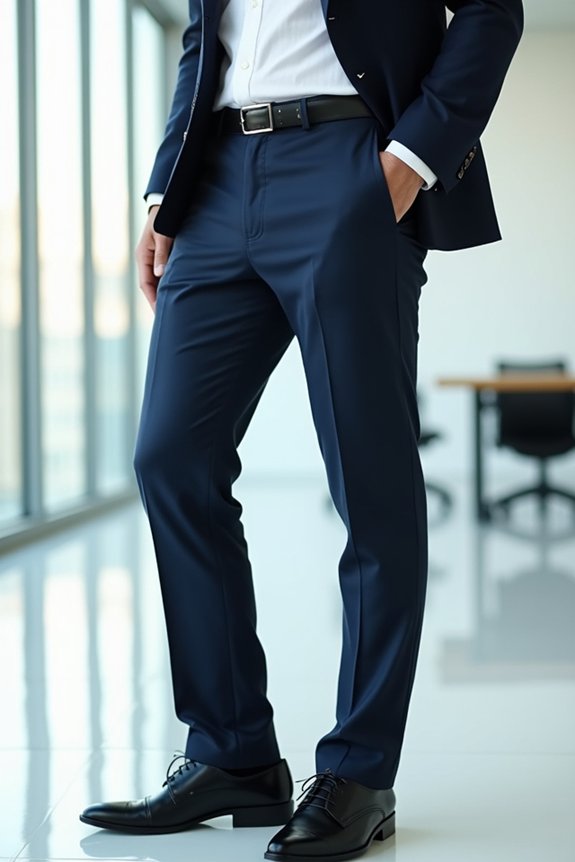
I’ve found that nailing the classic corporate look comes down to three essential elements working together seamlessly. You’ll want to master your shirt selection and fit first, then pair it with perfectly tailored trousers, and finally ground the whole outfit with quality Oxford shoes that tie everything together. When these three components complement each other (crisp fabric, proper proportions, and polished footwear), you’re not just dressed for success. You’re projecting the competence and reliability interviewers actually want to see.
Shirt Selection and Fit
The classic white dress shirt forms the foundation of your interview outfit, and it’s worth getting right. I’ve seen candidates lose confidence because their shirt didn’t fit properly, and that’s completely preventable.
Here’s what separates the polished from the pedestrian:
- Collar choice: Pick a crisp spread or point collar. These styles project professionalism without drawing unwanted attention.
- Perfect tailoring: Get your shoulders, chest, and waist fitted so you move comfortably and look intentional.
- Cuff visibility: Your sleeves should reveal about a half-inch of white shirt cuff when wearing your jacket.
Keep that white shirt immaculate. Iron it thoroughly, use light starch for crispness, and check for wrinkles before walking in. Your appearance signals respect for the interviewer and confidence in yourself. That’s the message you’re sending.
Trouser Pairing and Tailoring
How you pair your trousers matters just as much as your shirt, perhaps more, since they anchor your entire lower half. I’d recommend navy trousers in a slim fit or classic cut, pressed sharp and wrinkle-free. Here’s why: they project professionalism without appearing overly calculated. The hem length matters tremendously. You want it breaking slightly over your shoes, creating that clean line interviewers notice subconsciously. Pair these with black Oxfords, polished to shine, and a matching black leather belt. This cohesion signals you’ve thought things through. Your trouser choice tells employers you understand proportion and care about details. When everything aligns (shirt, trousers, shoes, belt), you’re not just dressed well. You’re communicating respect for the room and confidence in yourself.
Oxford Shoes and Coordination
Why do interviewers notice your shoes before they notice your face? Because polished Oxford shoes signal respect and attention to detail immediately.
Investing in quality Oxford shoes shapes your entire interview presence. Here’s why they matter:
- Clean, scuff-free leather conveys professionalism and self-respect
- A matching black belt creates visual harmony with your navy trousers
- Proper shine and maintenance demonstrates you care about your appearance
Pair your Oxfords with that crisp white shirt and navy trousers you’ve already chosen. The combination works because each element supports the others without competing for attention.
Keep your accessories minimal. Just a simple watch. You want interviewers focusing on your qualifications, not distracting details. When your shoes, belt, and overall look coordinate harmoniously, you’ve already established credibility before you even shake hands.
Business Casual Interviews: Chinos, Polos, and Polished Loafers
Business casual interviews require careful balance. You’re aiming for polished without looking like you’re dressed for a boardroom. Smart chinos paired with a tucked-in polo create exactly the right impression. Choose clean loafers or brogues in neutral tones, paired with a matching belt for coherence.
| Element | Choice | Why It Works |
|---|---|---|
| Trousers | Chinos or stretchy | Comfortable yet refined |
| Shirt | Simple polo/button-down | Professional without formality |
| Footwear | Loafers or brogues | Understated sophistication |
| Accessories | Matching belt & socks | Creates unified appearance |
What separates you from other candidates comes down to details: ironed trousers, fresh socks, and neatly pressed fabrics signal credibility. Avoid jeans, graphic tees, and casual sneakers entirely. Business casual attire reflects respect for the opportunity, showing you’ve invested thought into your presentation without overdoing it.
Startup and Creative Roles: Smart Casual Done Right
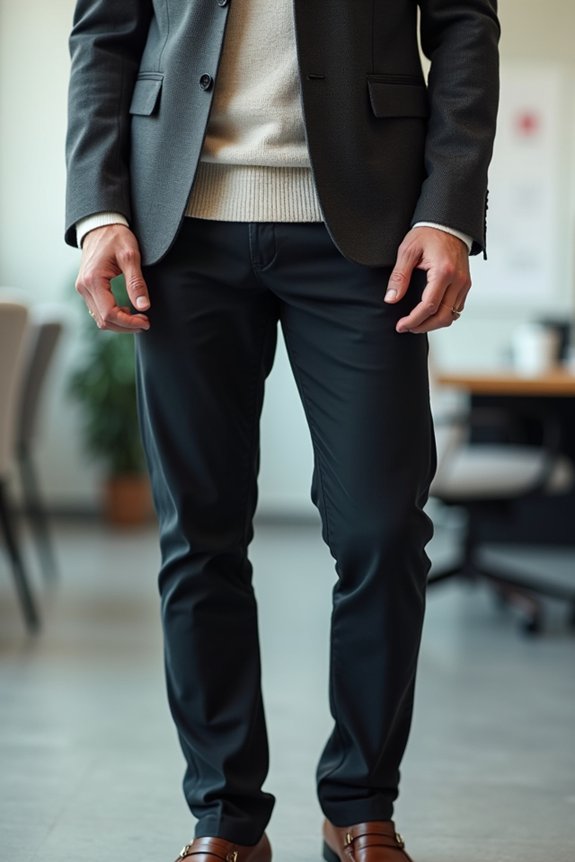
Startup and creative environments operate by different rules than traditional corporate spaces, and I’ve learned that dressing for these interviews requires a completely different mindset. You’re not aiming for stuffy formality here; instead, you’re showing you belong in an innovative culture that values authenticity over rigid convention.
Startup interviews reward authenticity over formality—dress to show you belong in an innovative culture, not a traditional corporate space.
I recommend building your outfit around these essentials:
- Neat chinos or refined pleated trousers paired with a clean solid tee or polo
- A tucked-in dress shirt with neutral-toned pants and a simple belt for polish
- Clean sneakers or loafers that balance comfort with credibility
Skip the stiff dress shoes entirely. You want interviewers thinking about your ideas, not your outfit. Keep accessories minimal with just a subtle watch and understated fragrance. This approach signals you’re serious about the work itself, not pretending to be someone you’re not.
Why Fit Matters More Than Fabric
I’ve learned that tailoring shifts how interviewers perceive you before you even speak, because a well-fitted suit shows intentionality and respect for the room. Your confidence visibly changes when your jacket sits properly on your shoulders and your trousers break cleanly at your shoes, creating that streamlined silhouette that signals you take professionalism seriously. Here’s the truth: even budget-friendly fabric looks sharp when it fits properly, while expensive material hangs poorly and undermines everything you’re trying to communicate about your competence and attention to detail.
Tailoring Enhances Professional Impact
It signals intentionality. When you wear a well-fitted suit, you’re telling interviewers you’ve prepared thoughtfully. I’ve seen candidates walk in looking sharp, and the room notices immediately.
Here’s what tailoring does for you:
- Eliminates distractions. Proper shoulders, sleeve length, and trouser break keep focus on your qualifications, not your clothes.
- Builds confidence. Comfort in movement strengthens your posture and presence during tough questions.
- Reinforces professionalism. A streamlined silhouette communicates discipline and attention to detail before you speak.
You don’t need expensive fabrics. Tailoring improves affordable pieces into polished armor. Get sleeves hemmed, shoulders fitted, and hems adjusted. That investment pays dividends. When you move freely and feel assured, interviewers sense it. You’re not fighting your outfit; you’re owning the room.
Proper Fit Boosts Confidence
Now here’s where tailoring meets reality: you can own the finest suit money buys, but if it doesn’t fit your body, you’ve wasted your paycheck. I’ve learned this the hard way. A proper fit eliminates distractions. No wrinkles bunching at your shoulders. No fabric sagging at your midsection. When your shirt cuffs show exactly half an inch and your trouser hem kisses the top of your shoes, you’re signaling something powerful: you care about details. That meticulousness speaks volumes about your competence before you utter a single word. A well-cut blazer aligns with your frame, projecting credibility instantly. You’ll walk into that interview room confident because nothing’s pulling, twisting, or undermining your presence. Fit matters because confidence isn’t something you fake. It’s something you wear.
Silhouette Shapes First Impressions
The silhouette you create matters far more than the price tag on your jacket. I’ve watched candidates with expensive suits stumble because their fit was all wrong, while others commanded rooms in affordable pieces tailored perfectly to their frames. Here’s what I’ve learned:
- Shoulders aligned properly signal you’ve invested thought into your appearance, not just money
- Chest and sleeves fit without pulling or sagging, maintaining clean lines that keep focus on you, not your clothes
- Trousers breaking at the wrist bone complete a polished look that shows attention to detail
A slim or classic fit avoids bagginess that signals carelessness. Poor fit, including wrinkled fabric, stretched seams, and sagging waistbands, undermines your credibility faster than any bold color choice ever could. You’re not just wearing clothes; you’re wearing confidence itself.
Shoes, Belts, and Socks: Coordinating Your Foundation
Three foundational elements—your shoes, belt, and socks—work together to create a polished, intentional appearance that interviewers notice immediately.
Matching your belts to your shoes signals you’ve thought things through, and that matters. Choose classic Derbies or Oxfords in black or dark colors, keeping them clean and unshiny. Your socks should match your shoes exactly; always wear fresh pairs and never mismatched or worn socks.
Coordination matters because when your belt, shoes, and socks align, you’re telling your interviewer you respect the moment. Skip casual footwear entirely. Sandals and sneakers undercut everything else you’re wearing. Select simple belt designs without flashy buckles.
These details reveal that you understand professional presence and care about making the right impression.
Accessories: Keep It Simple and Intentional
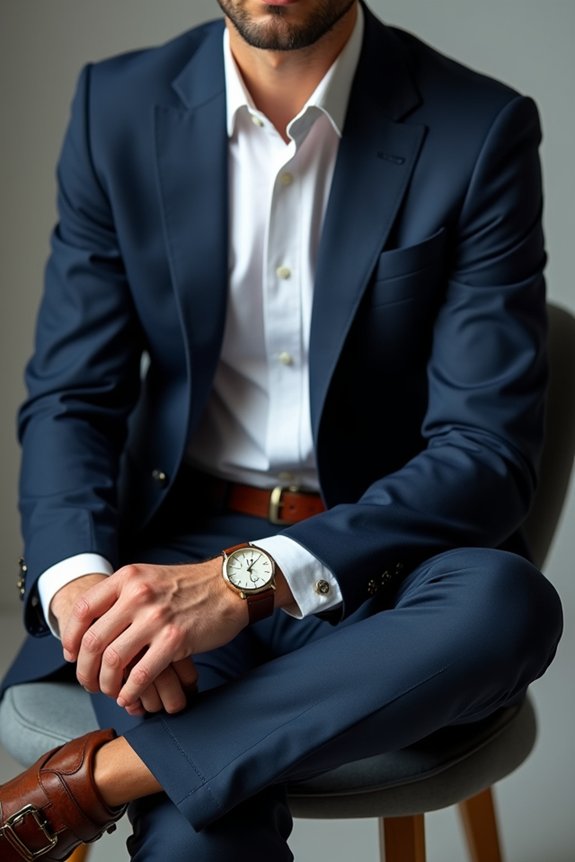
Once you’ve nailed your shoes, belt, and socks, you’re ready to address what goes on top. I’ll be direct: this is where many candidates stumble. Your accessories shouldn’t scream for attention; they should whisper competence.
Here’s what works:
- A quality watch with a leather or metal band signals you respect time and take yourself seriously.
- Coordinated pieces (watch, belt, shoes) create a polished, intentional look that shows you thought this through.
- Minimal jewelry keeps focus on your qualifications, not your wrists.
Skip the studs, flashy rings, and statement pieces. They’re distracting. A simple pin is fine; flags and ribbons prompt awkward questions you don’t need. Same with fragrance: subtle beats strong every time. You’re aiming for invisible professionalism. When interviewers notice your accessories, you’ve already lost. Make them notice your preparation instead.
Grooming Essentials: Hair, Facial Hair, and Skin

Your grooming habits matter just as much as your suit, and I’ve learned this the hard way. A sharp outfit can’t compensate for unkempt hair or neglected facial hair. I’ll show you how to manage both your facial hair and overall appearance so you walk in looking polished and deliberate. Let’s tackle the specific grooming standards that’ll help you make that important first impression.
Facial Hair Trimming Standards
How you groom your facial hair tells an interviewer something important about whether you pay attention to details or overlook them. Facial grooming directly impacts how hiring managers perceive your professionalism and reliability.
Here’s what I recommend:
- Keep your beard or mustache uniform in length, avoiding patchy or scraggly growth that distracts from your qualifications
- Trim sideburns and edges sharply so they look intentional rather than neglected or overgrown
- Shave completely if your industry leans conservative, or maintain a neatly trimmed style that aligns with company culture
The key is presenting a clean, polished appearance. Sharp lines signal that you’re someone who pays attention. If you’re dealing with facial acne, use a mattifying moisturizer or light concealer to look your best. Your facial hair choice communicates respect for the opportunity.
Skincare and Hair Management
Why does a polished appearance matter so much in interviews? It signals respect and professionalism before you even speak.
Start with your hair. Grooming lotion tames flyaways and controls frizz, creating that sharp, deliberate look. Your facial hair matters too. Keep it neatly trimmed or completely shaved, depending on your company’s culture. Stubble might work in creative fields, but corporate environments demand clean lines.
Next, tackle skincare. A mattifying moisturizer reduces shine; you don’t want glowing cheeks in your headshot moment. Concealer handles blemishes and under-eye darkness without looking obvious.
Finally, maintain clean, trimmed nails. Dirt under your fingernails signals carelessness.
These aren’t vanity moves. They’re confidence builders that help you feel interview-ready and prepared.
Virtual Interview Attire: What Works on Camera

When you’re interviewing through a screen, the camera sees you differently than an in-person interviewer does.
Your top half dominates the frame, so invest in quality. A navy blue blazer paired with a crisp button-down shirt works well; these colors photograph professionally without overwhelming the lens. Skip busy patterns and distracting jewelry that create glare.
What actually works on camera:
- Wrinkle-free fabrics that maintain their shape throughout your interview
- Solid colors like grey or brown that read well on video
- Comfortable, stretchable pants you can stand in confidently
Even though only your shoulders up will be visible, wear complete professional attire. You’ll feel credible and perform better when you’re fully dressed. Minimal accessories prevent reflections, and subtle grooming shows respect for the opportunity.
Fit Problems That Undermine Your Interview
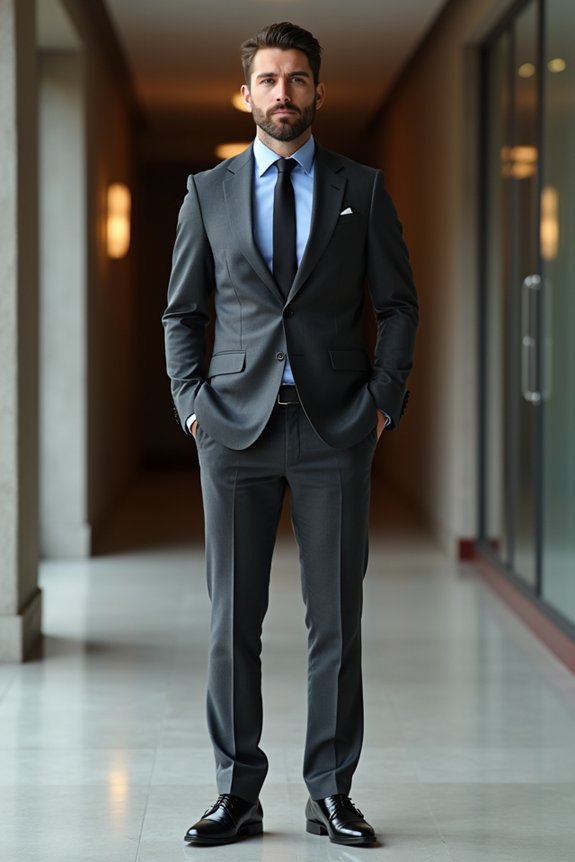
You’ve nailed the color palette and camera angles from your virtual setup, but here’s what I’ve learned watching candidates stumble: clothes that don’t fit right will sabotage you faster than any awkward pause.
I’ve seen sharp candidates lose credibility because their jacket gaped at the buttons or their sleeves swallowed their hands. When your shirt pulls across your chest or your pants bunch at the ankles, you’re fighting yourself. Your nervous energy spikes. Your posture suffers. Interviewers notice the wrinkles and uneven hems before they hear your qualifications.
Here’s the reality: tailoring isn’t luxury. It’s professional armor. Get your jacket shoulders aligned properly. Your sleeves should hit your wrist bone. Trouser length should break slightly at your shoe. This fit investment speaks volumes about your attention to detail and respect for the opportunity.
Budget-Friendly Interview Wardrobe Options
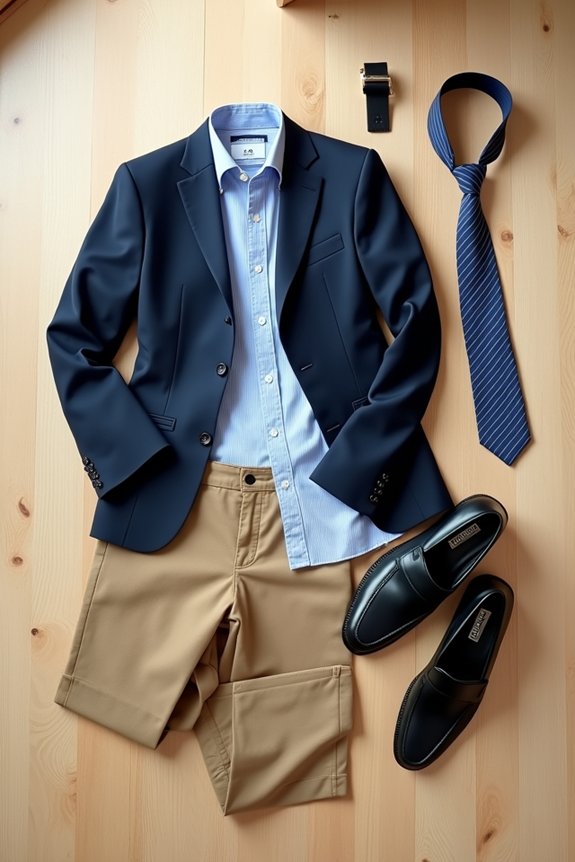
I’ve found that you don’t need to spend a fortune to look sharp in an interview. Brands like Arket and H&M offer solid two-piece suits in classic black, navy, or grey that work well within a reasonable budget. The real focus should be on nailing the essentials: a crisp white shirt, well-pressed trousers, polished dress shoes, and minimal accessories like a simple watch and matching belt. If a full suit feels out of reach, I’d recommend pairing quality smart separates (slim-fit trousers with a coordinating blazer) since mixing and matching pieces gives you more flexibility and saves money in the long run.
Affordable Suit Brands
How do you look sharp without emptying your wallet? Budget-friendly suits from accessible brands deliver polished results without the premium price tag.
What I recommend:
- Arket and H&M offer tailored pieces that fit well and look professional for interviews
- Navy suits provide softer alternatives to black while maintaining corporate credibility
- Slim-fit two-pieces balance contemporary style with affordability across most brands
I always pair my budget suit with a crisp white shirt and make certain everything’s pressed perfectly. That attention to detail matters more than the price tag. You don’t need bespoke tailoring to impress hiring managers. You need confidence and preparation. These accessible brands give you both. When you invest thirty minutes making your suit wrinkle-free and your shirt pristine, you’ll walk into that interview looking like you belong there.
Cost-Effective Essentials
Building a sharp interview wardrobe doesn’t require dropping hundreds of dollars on designer labels. Dress codes vary, so you’ll want a foundational strategy that works everywhere.
Start with a slim-fit navy, black, or grey suit from budget-friendly brands like Arket or H&M. Pair it with a crisp white shirt; this combination handles most dress codes without compromise. Add a simple watch, matching belt, and clean black Derbies.
Minimal accessories keep costs down while maintaining professionalism. Skip the extras. Plan your entire outfit head-to-toe before interview day, ensuring everything works together seamlessly.
This approach lets you project confidence and polish without financial stress. You’re investing in yourself strategically, not recklessly.
72-Hour Outfit Review: Catching Common Oversights
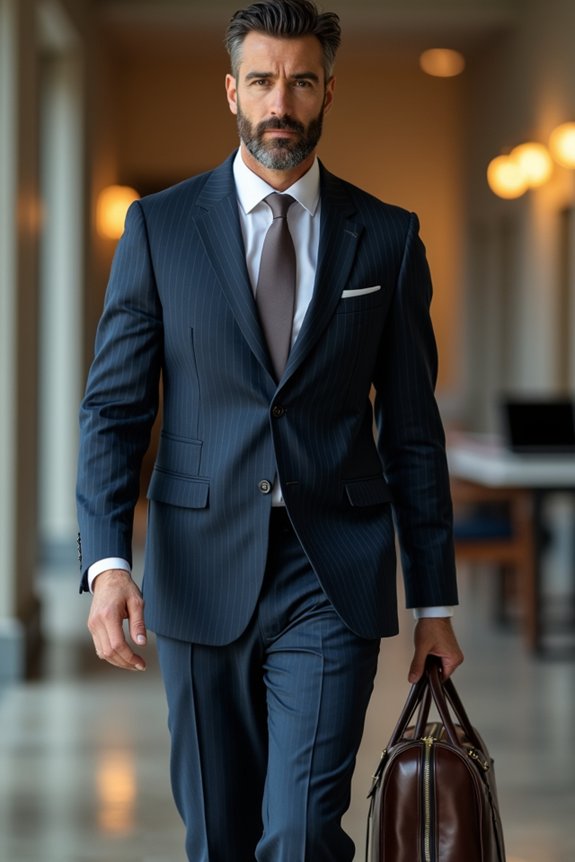
When should you actually do your outfit review? I recommend scheduling it 72 hours before your interview, giving you time to address any issues without panic.
Here’s what I’ve learned matters most:
- Iron everything thoroughly to eliminate wrinkles that undermine your credibility, especially on dress shirts and suit jackets
- Verify color coordination between your business casual or formal pieces, ensuring your white shirt complements your tie and suit
- Polish your shoes meticulously so they’re clean and professional-looking, not distracting
During this review, do a complete head-to-toe try-on. Check that socks match your shoes, your belt aligns with your outfit, and grooming looks sharp. This approach catches oversights early: loose buttons, stains, or misaligned accessories you’d miss under pressure. You’ll walk in confident, knowing you’re properly prepared.
The Day Before: Final Preparation Steps
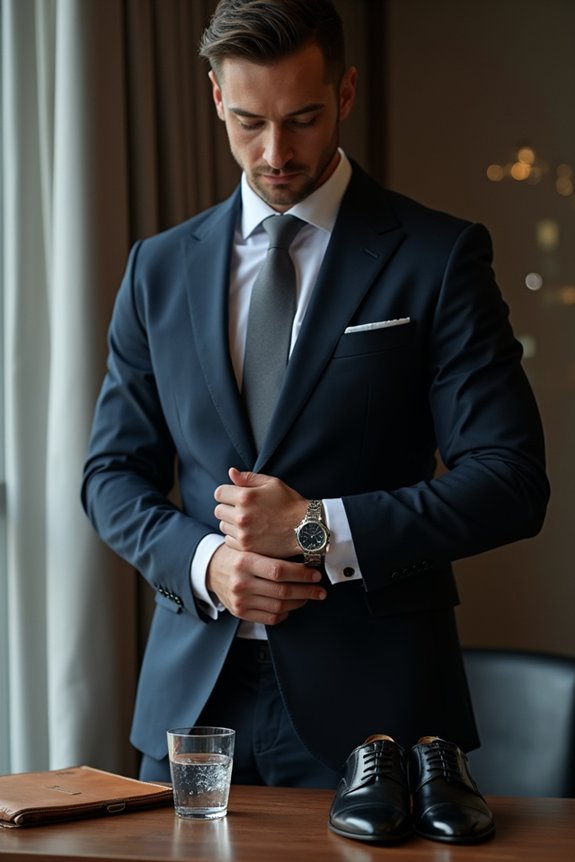
The night before your interview is when preparation really matters. Lay out your full suit and inspect every component methodically. Check for wrinkles, stains, or any imperfections that might catch someone’s eye. Try everything on together: jacket, pants, shirt, and tie. This confirms the fit works properly.
| Task | Action | Timeline |
|---|---|---|
| Polish shoes | Clean and buff thoroughly | Evening before |
| Press outfit | Iron full suit and shirt | Night before |
| Groom yourself | Trim nails, hair, facial hair | Morning of |
Don’t skip the socks. They should match your shoes and pants, creating a cohesive look that signals you’re prepared. Lay everything on your bed in order so you’re not scrambling in the morning.
Build a Core Interview Capsule Wardrobe
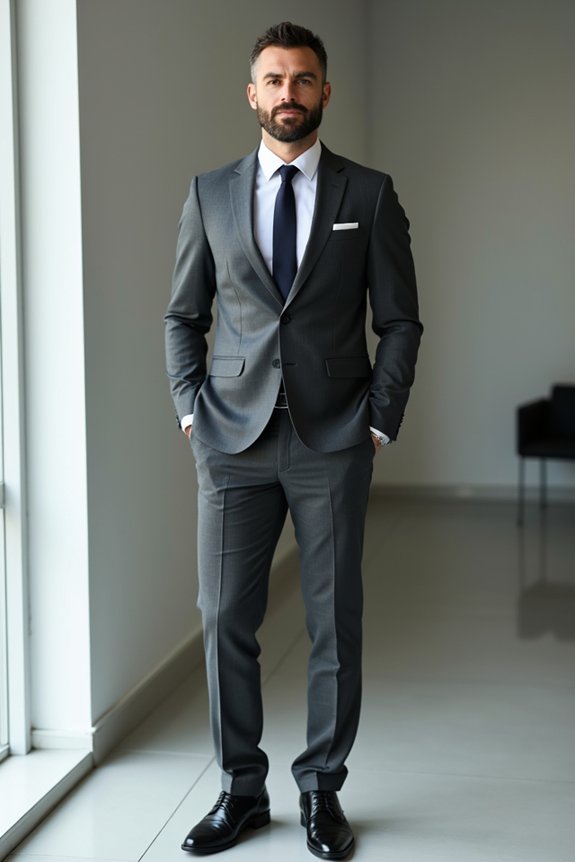
Once you’ve got your pre-interview routine down, it’s time to stop thinking day-to-day and start thinking strategically. This means building a core interview capsule that you’ll rely on repeatedly.
You’ll want to invest in these foundational pieces:
- A navy or black suit paired with a crisp white or pale blue shirt
- Clean black or brown dress shoes with a matching belt
- A coordinating tie that complements your suit without drawing excessive attention
Add a simple watch and minimal jewelry. Keep everything pressed, wrinkle-free, and properly fitted. Neutral colors like navy, black, grey, and beige work across different interview settings.
Assemble this capsule several days before your interview and try everything on together. Check your comfort, movement, and overall polish. You’ll feel confident because you’ve already solved the “what should I wear?” puzzle.